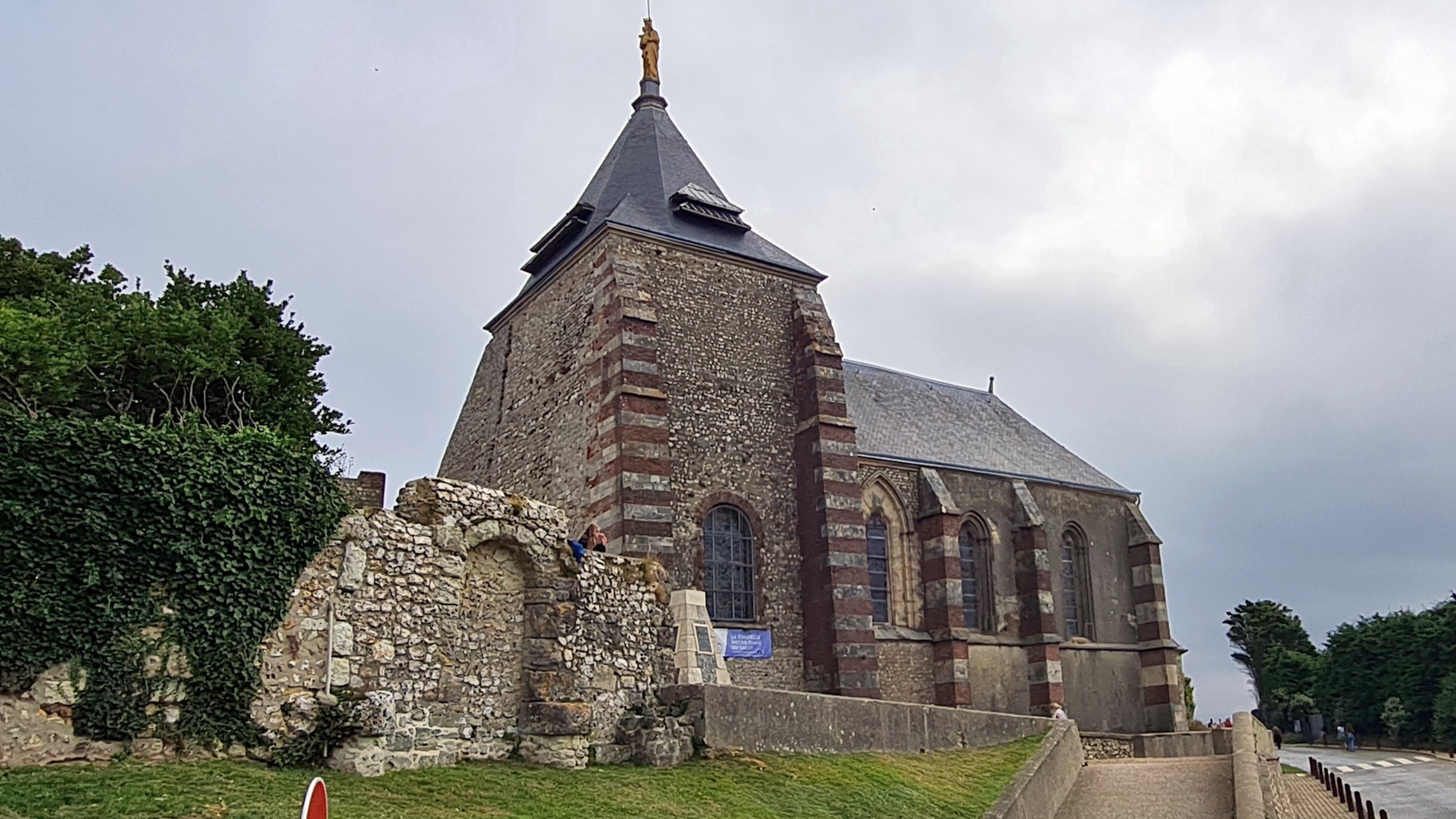
Chapel of Our Lady of Salvation, Fécamp
Plan your visit
Complete Fécamp in one day
8 attractions · 12h 23min · transit route
Tickets ~€32
Step-by-step route with transport options and cost breakdown
About Chapel of Our Lady of Salvation
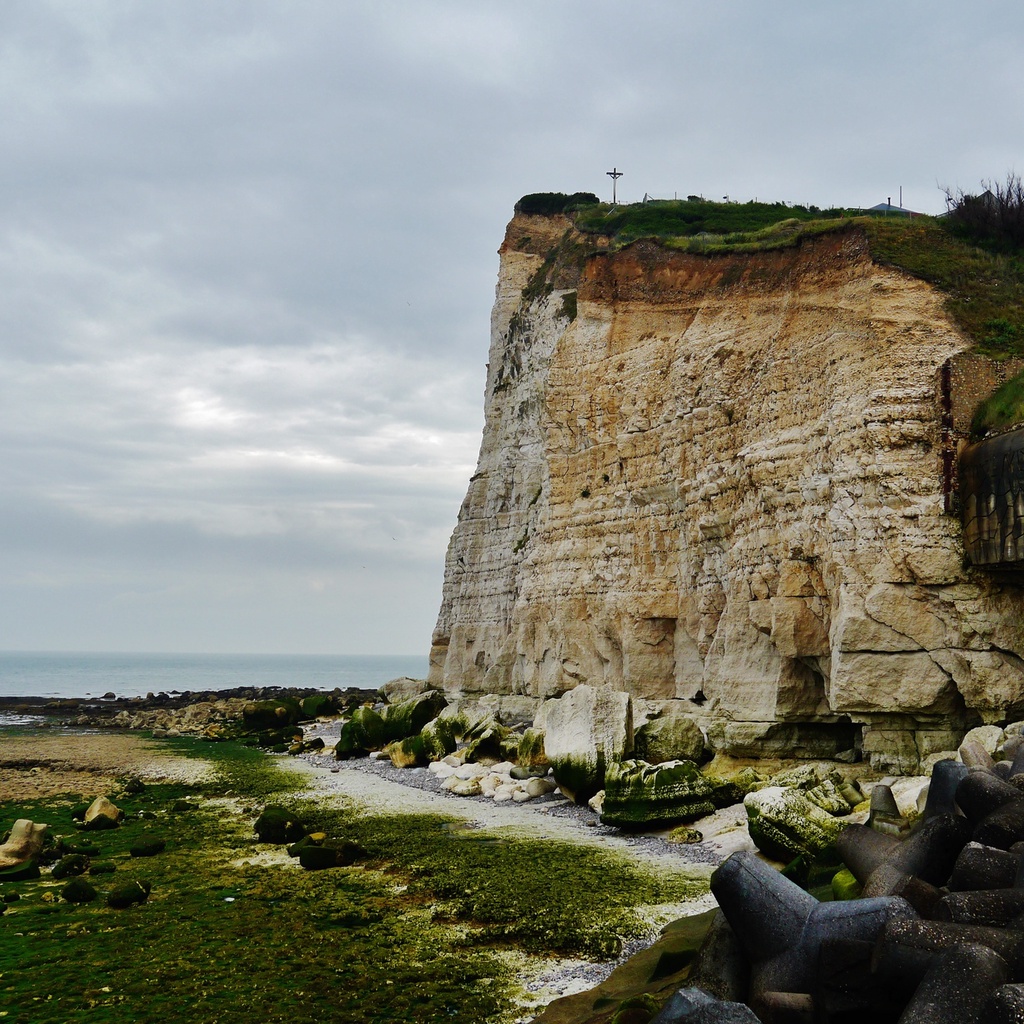
This historic clifftop chapel perched over 100 meters above sea level on Cap Fagnet offers breathtaking panoramic views of Fécamp, the Alabaster Coast, and the English Channel. Originally founded in the 11th century by Duke Robert the Magnificent after surviving a shipwreck, the current structure dates mainly from the 13th century and combines Romanesque and Gothic elements. The chapel became a sacred pilgrimage site for Terre-Neuvas fishermen who climbed the steep Sente aux Matelots (Sailors' Path) to pray for protection before dangerous cod-fishing expeditions to Newfoundland.
Combine with 7 nearby attractions for a full day
From €32 / person — all tickets and transport included — transit route with total cost breakdown
During the French Revolution, when most religious buildings were being destroyed or sold, this chapel was spared thanks to a special decree from the National Assembly on August 6, 1792. The reason? It served as a crucial navigation landmark for sailors navigating the dangerous Alabaster Coast - pragmatism saved what faith had built.
Travel Plans for Chapel of Our Lady of Salvation
Explore a city in one day
- Step-by-step walking route through the city
- Transport options with travel times and fares
- Entrance fees and opening hours for every stop
- Total cost calculated based on your preferences
Day Routes
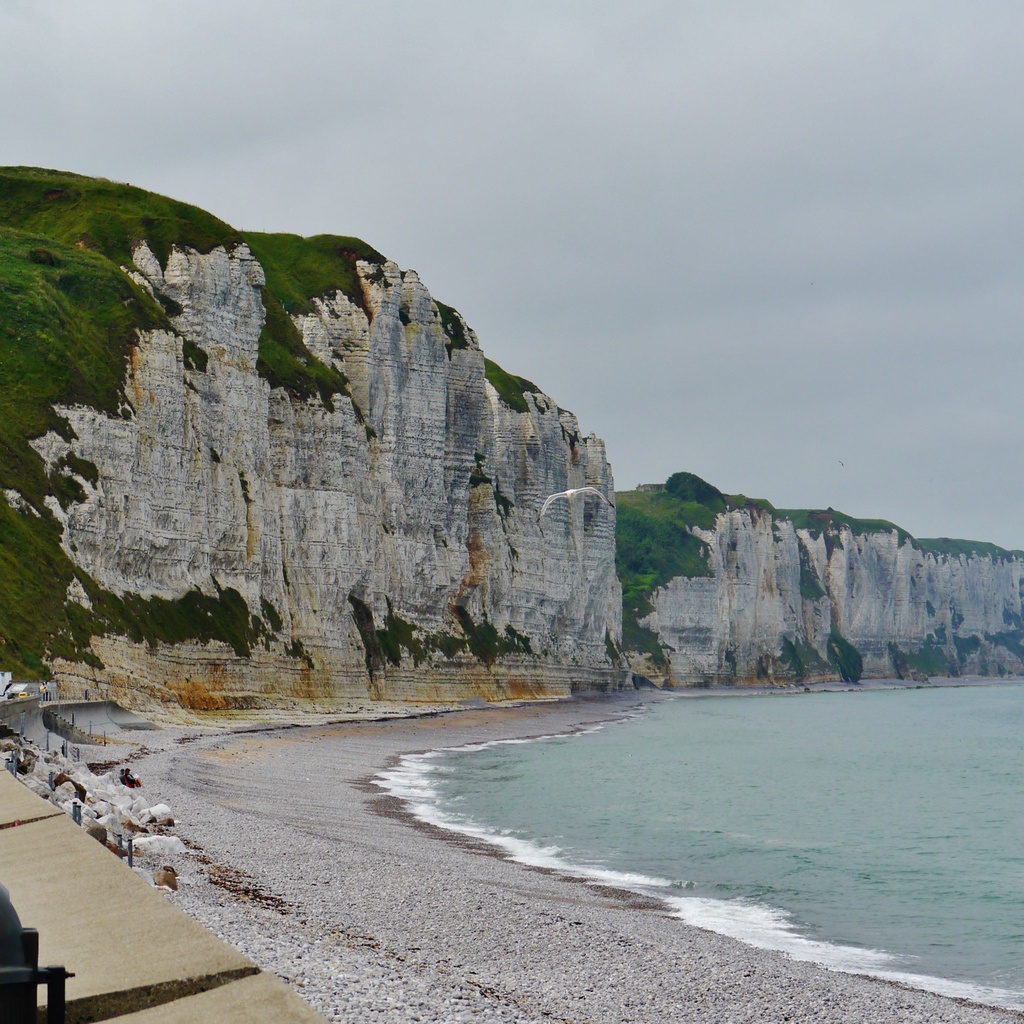
Complete Fécamp in one day
Fécamp
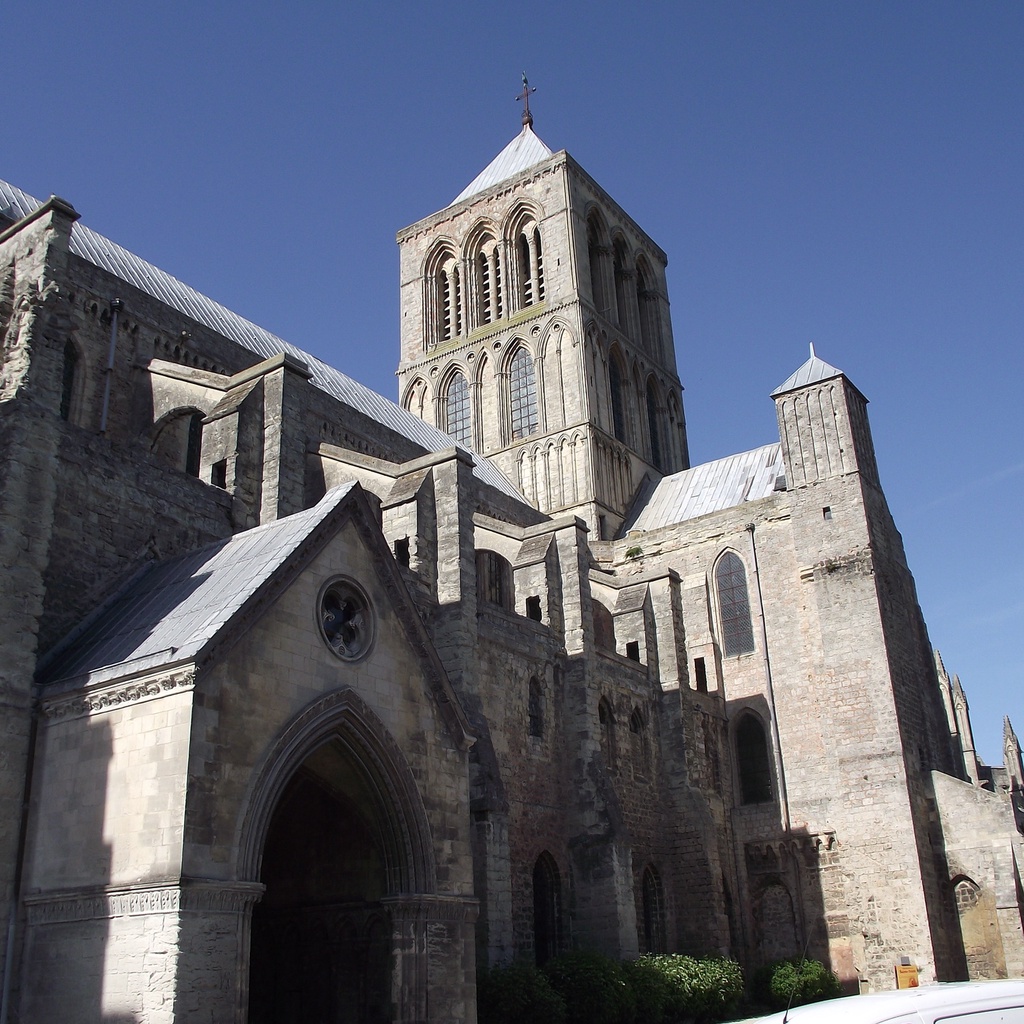
Cliffs, churches and history of Fécamp
Fécamp