Rouen Cathedral (Notre-Dame de Rouen)
About Rouen Cathedral (Notre-Dame de Rouen)
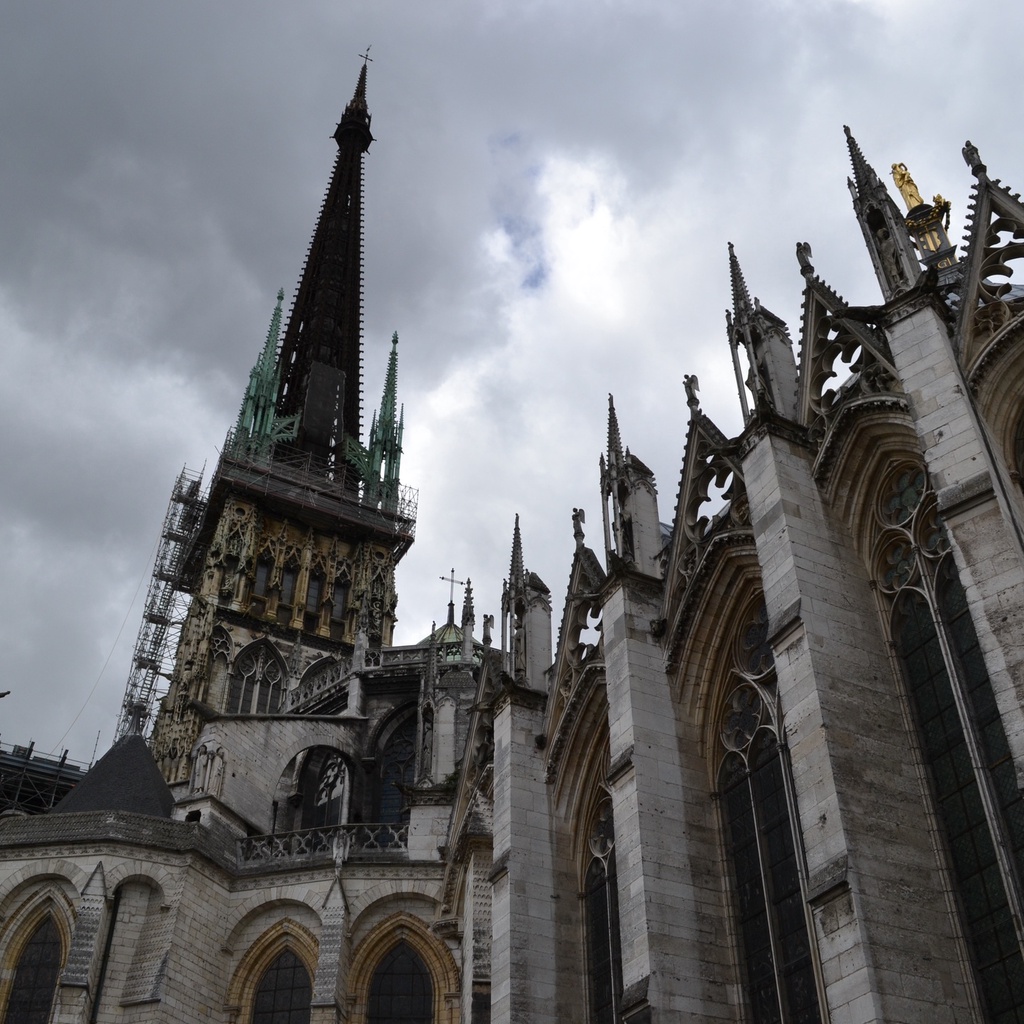
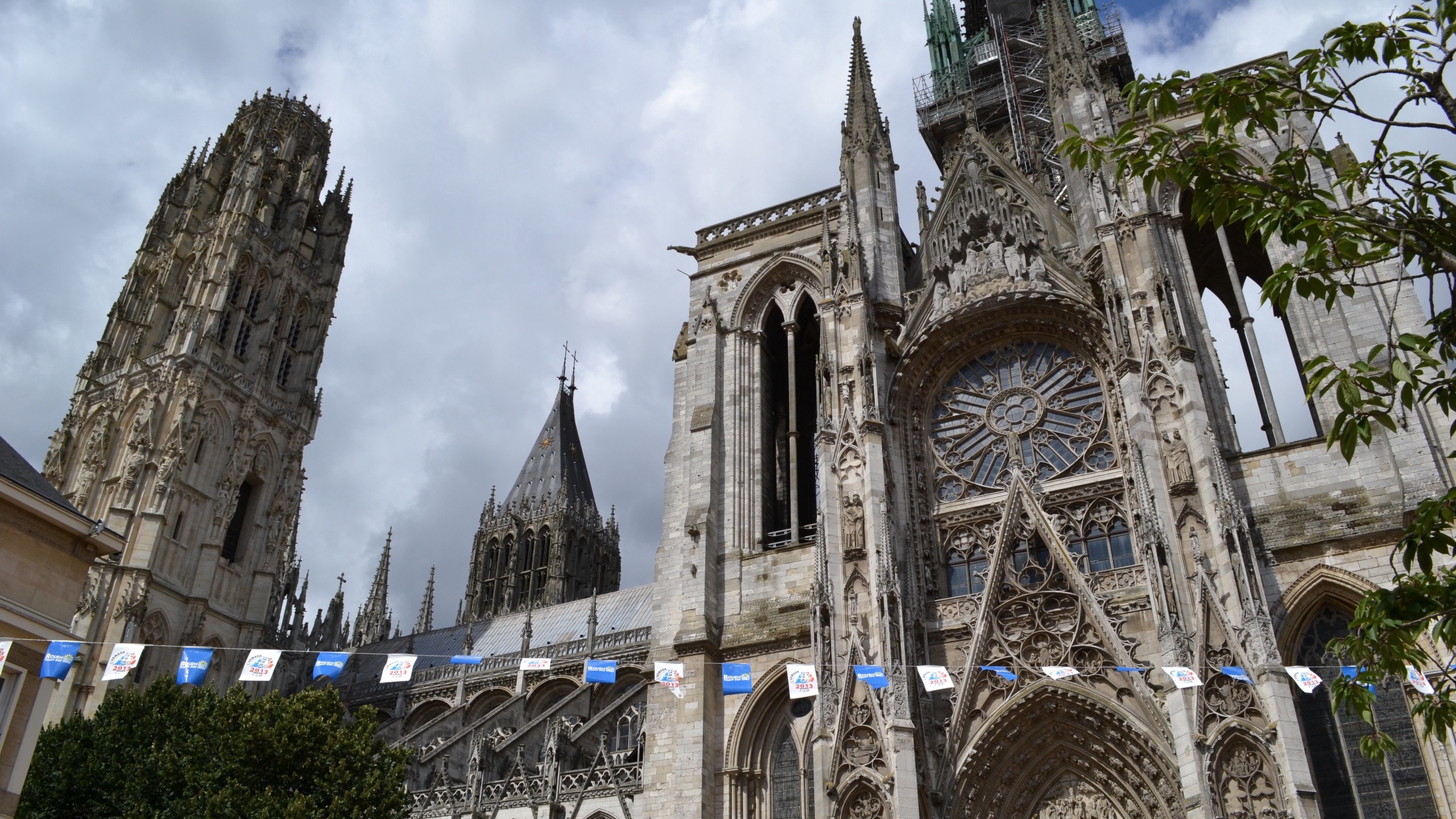
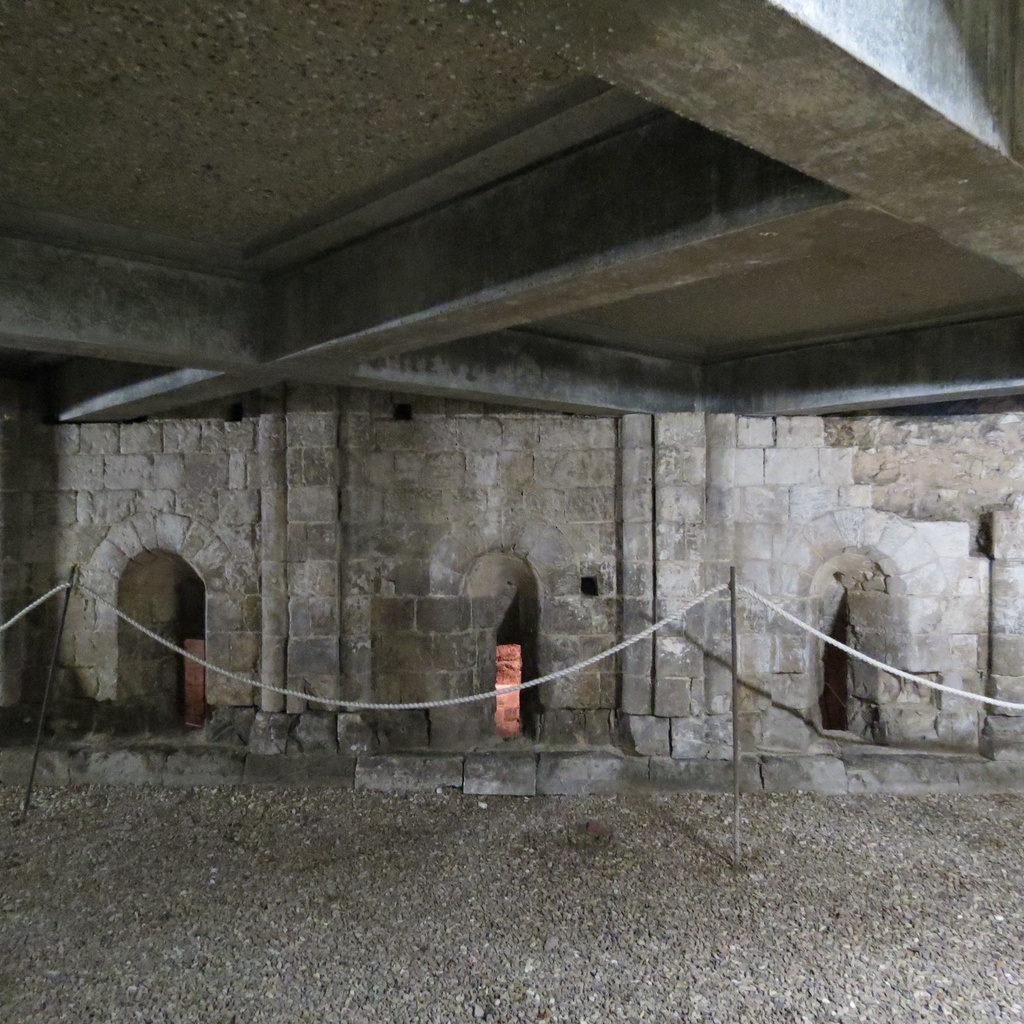
Rouen Cathedral (Cathédrale Notre-Dame de Rouen) is a magnificent Gothic masterpiece and one of France's most historically significant religious buildings, featuring the tallest church spire in the country at 151 meters. Construction began in 1145 and spanned eight centuries, showcasing the complete evolution of Gothic architecture from Early to Flamboyant styles. The cathedral houses the heart of Richard the Lionheart and the tomb of Rollo, founder of Normandy, making it a pilgrimage site for history enthusiasts. Claude Monet immortalized the western façade in his famous series of approximately 30 paintings created in 1892-1893, capturing the play of light at different times of day. The Tour de Beurre (Butter Tower), built with funds from medieval indulgences allowing dairy consumption during Lent, stands as one of the finest examples of Flamboyant Gothic architecture. Visitors can explore the soaring nave with 28-meter high vaults, marvel at stained glass windows spanning seven centuries, and access special areas like the 11th-century Romanesque crypt through guided tours offered on weekends. Entry is free, though the cathedral may close briefly during religious services. Visit early morning or late afternoon to avoid crowds and experience the light effects that so inspired Monet.
Interesting Facts
At 151 meters, Rouen Cathedral boasts the tallest church spire in France and was the tallest building in the entire world from 1876 to 1880, until Cologne Cathedral was completed. The current cast-iron spire replaced earlier wooden spires that were repeatedly destroyed by lightning, including one struck in 1822.
The cathedral houses the heart of Richard the Lionheart, King of England and Duke of Normandy, who requested it be deposited here 'in memory of his love for Normandy' when he died in 1199. His body was buried separately at Fontevraud Abbey, while his entrails were interred at Châlus where he fell in battle.
Claude Monet painted approximately 30 canvases of the cathedral's western façade during 1892-1893, working from the second floor of what was then a lingerie shop across the square. Remarkably, Monet only entered the cathedral for the first time AFTER completing his entire series, having focused solely on capturing the changing light on the exterior.
The Tour de Beurre (Butter Tower) got its unusual name from the 'butter tax' - wealthy medieval citizens paid this special fee to be allowed to consume dairy products including butter during Lent, when such foods were normally forbidden. The funds collected from this indulgence financed much of the tower's construction beginning in 1483.
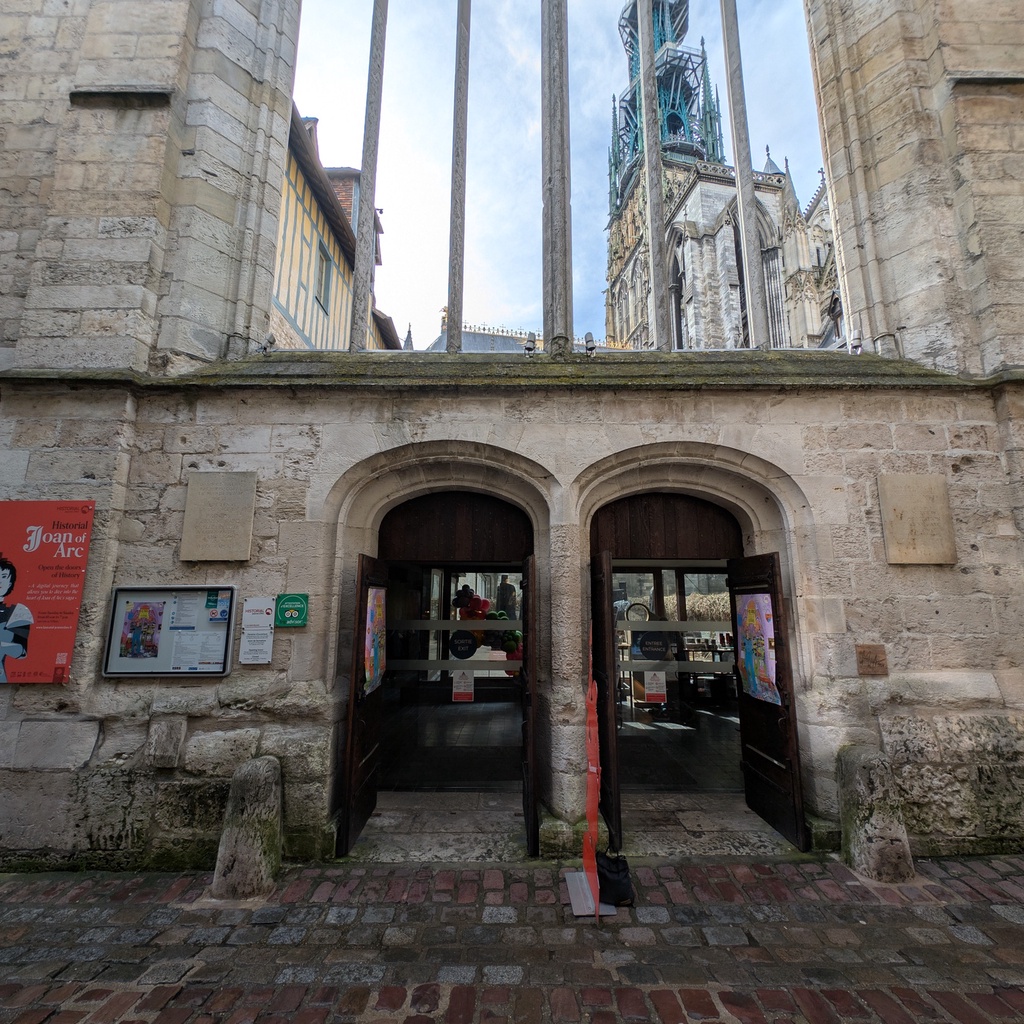
Joan of Arc's rehabilitation trial, which cleared her name 25 years after her execution, took place at this cathedral. On November 7, 1455, her mother Isabelle Romée delivered a formal petition here, and on July 7, 1456, after hearing 115 witnesses, the court declared the original 1431 trial invalid and nullified all charges against Joan.
Planning Your Visit
Opening Hours
Location & Practical Info
Address
3 rue Saint-Romain, 76000 Rouen, France
Day Routes
Explore all day routesThese carefully curated day itineraries include this attraction and show you exactly how to plan your visit, including transport, timing, and what else to see nearby.
Want to visit this attraction? These routes show you how to get here and what to combine it with.

Best of medieval Rouen
Rouen

Best of medieval Rouen
Rouen
Medieval Rouen walking tour
Rouen
Multi-day Itineraries
View complete itinerariesPlanning a longer trip? These multi-day itineraries incorporate this attraction into complete travel experiences with accommodation, transport, and daily schedules.
This attraction is featured in comprehensive multi-day trips with full logistics included.

Entire Normandy in 12 days
Caen → Bayeux → Granville → ...

Complete Seine-Maritime in 18 days
Dieppe → Le Treport → Rouen → ...

Weekend in Rouen
Rouen