Amont Cliff (Falaise d'Amont)
About Amont Cliff (Falaise d'Amont)
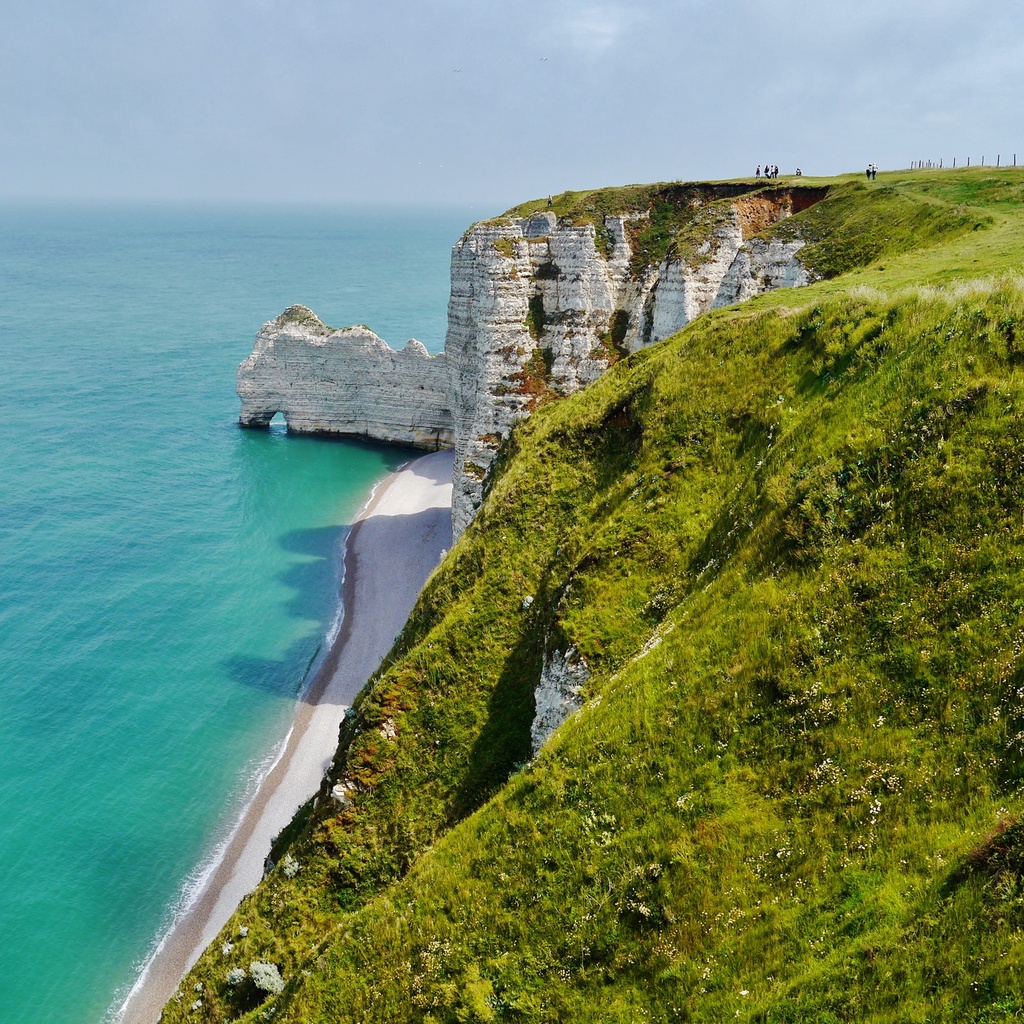
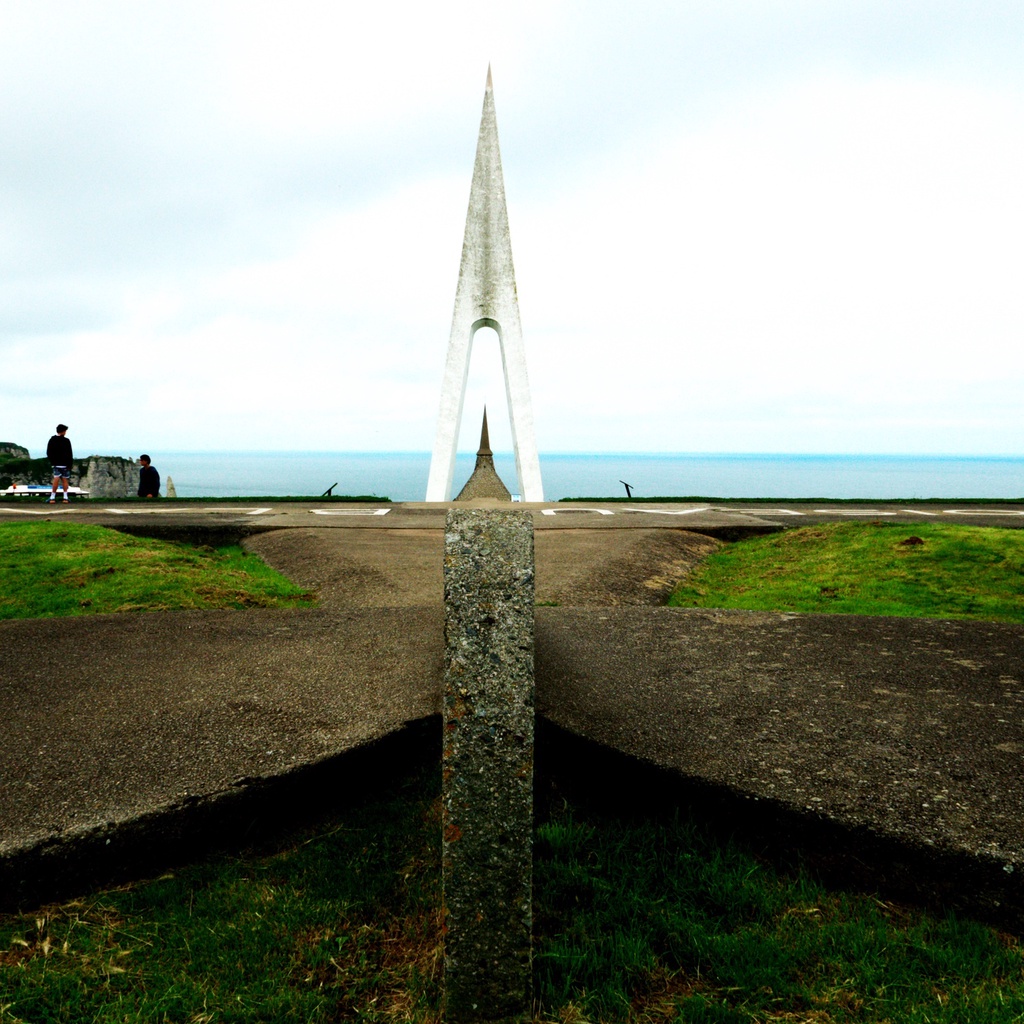
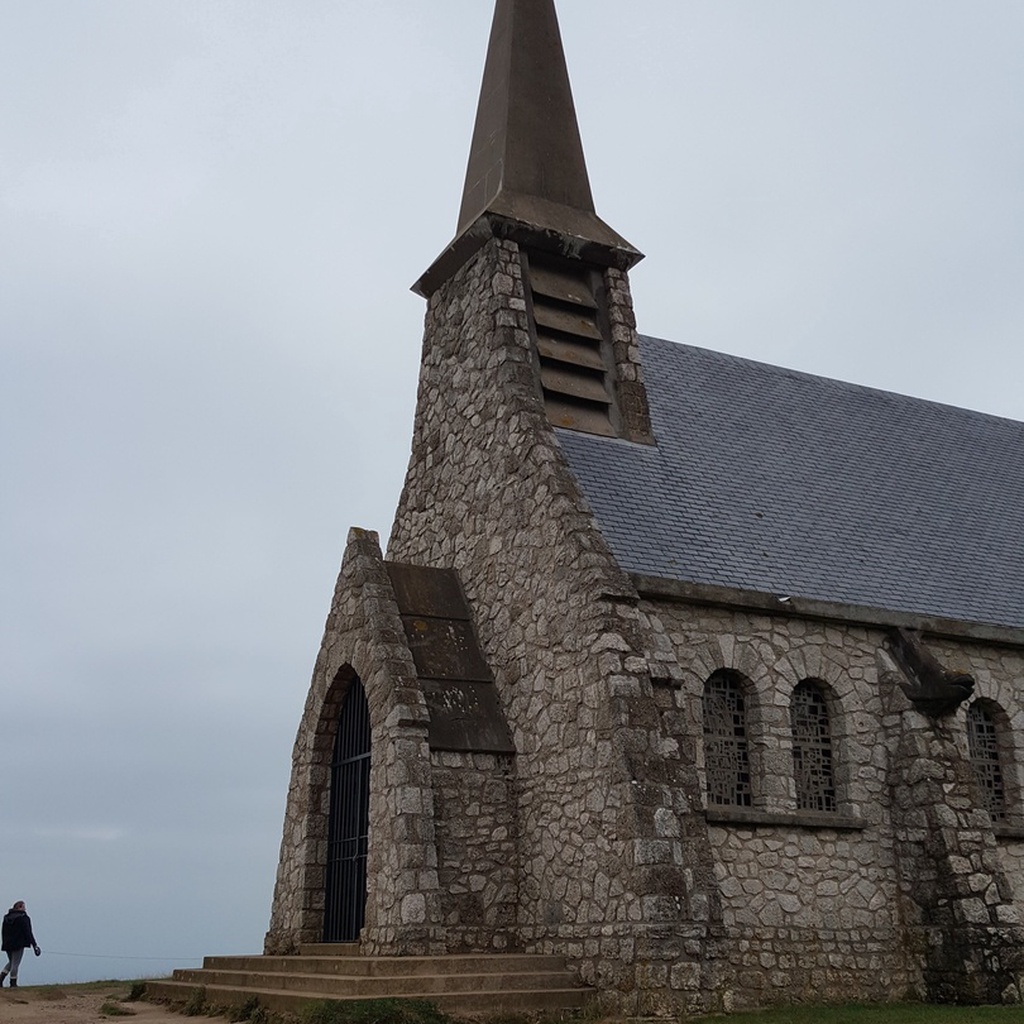
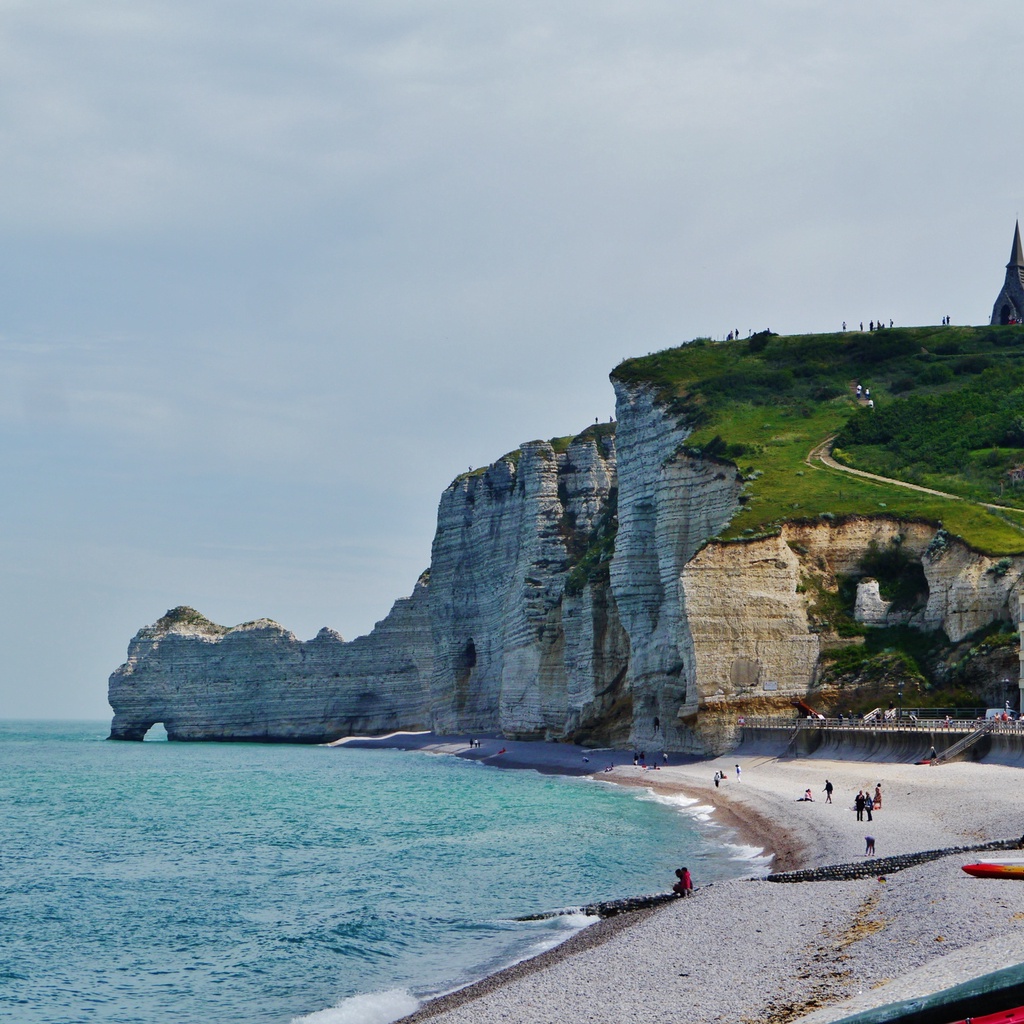
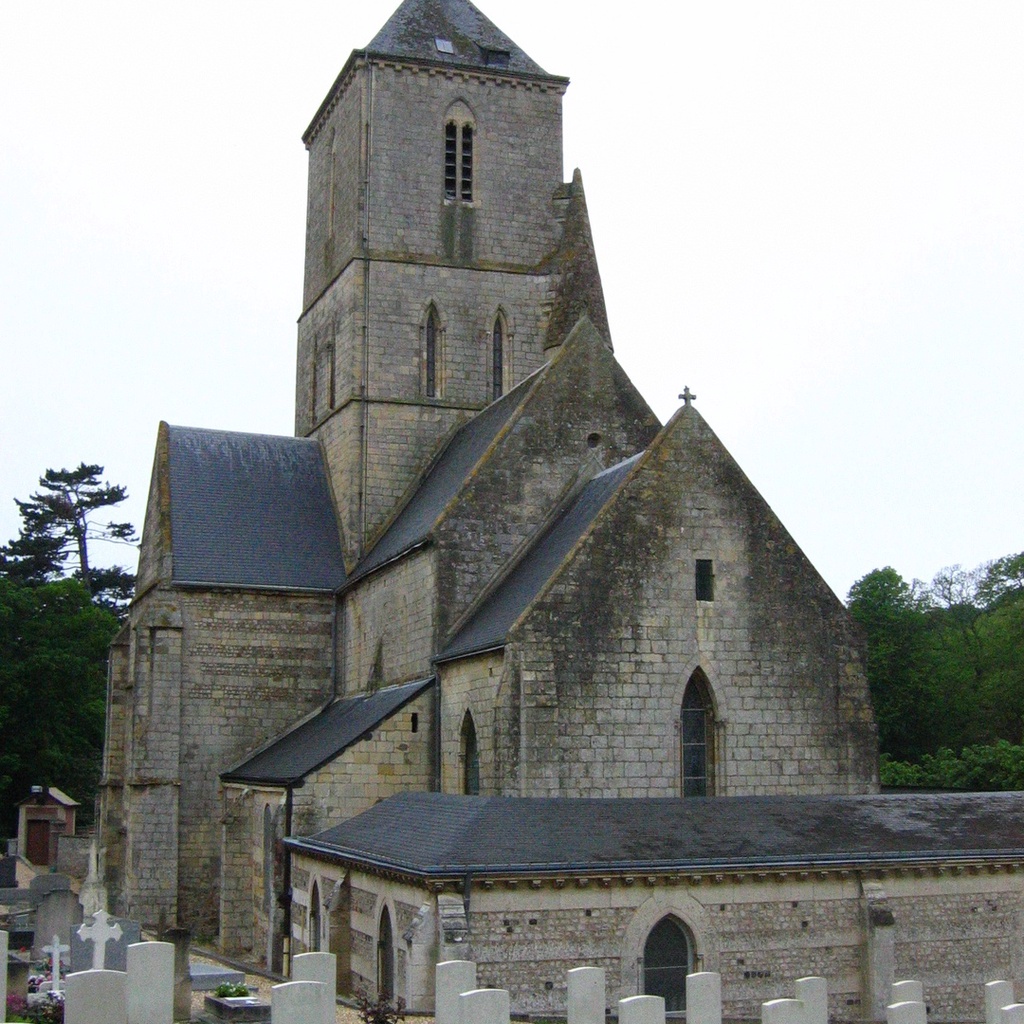
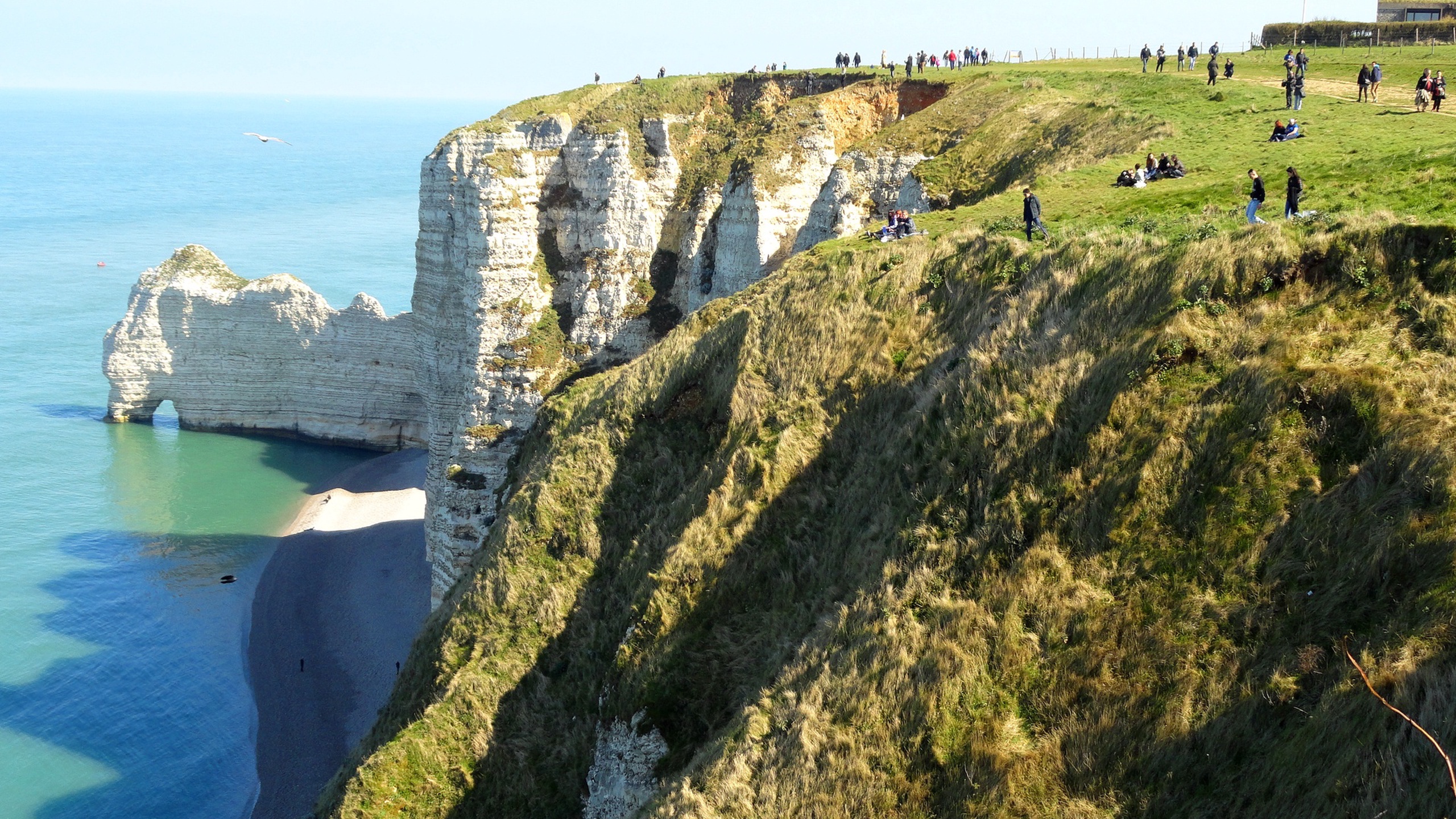
Falaise d'Amont is one of the most spectacular chalk cliffs on Normandy's famous Alabaster Coast, rising up to 90 meters above the English Channel. This dramatic white cliff, formed 70-80 million years ago from microscopic marine organisms, features a natural arch that writer Guy de Maupassant poetically described as an elephant dipping its trunk into the sea. At the summit stands the neo-Gothic Chapel Notre-Dame-de-la-Garde, built in 1854 by local sailors to protect mariners, and the striking 24-meter monument commemorating aviators Charles Nungesser and François Coli, who were last seen here during their ill-fated 1927 transatlantic flight attempt. The cliff inspired Claude Monet to create approximately 90 paintings during his visits between 1883-1886, making it one of Impressionism's most celebrated subjects. Visitors can climb 263 steps from the beach to reach breathtaking panoramic views of the iconic Needle rock formation (L'Aiguille) and the entire coastline. The site is freely accessible year-round, with early morning or sunset visits offering the best lighting and fewer crowds. Note that parking at the summit costs €3 for 10 hours, and the chapel interior remains closed to visitors.
Interesting Facts
The cliff's natural arch inspired one of literature's most vivid descriptions: writer Guy de Maupassant compared it to an elephant dipping its trunk into the sea in his 1883 novel 'Une vie'. This poetic image became so famous that it's now the standard way visitors describe the formation, cementing the connection between French literature and this dramatic coastline.
Claude Monet was so captivated by Falaise d'Amont that he created approximately 90 paintings of Étretat's cliffs during his visits between 1883-1886. He often rented rooms at Hôtel Blanquet to study the coastline from his window, beginning canvases outdoors and reworking them for months in his Giverny studio - a technique that laid the groundwork for his famous serial works like the Haystacks and Rouen Cathedral series.
The 24-meter monument at the cliff's summit marks one of aviation's greatest mysteries: on May 8, 1927, French aviators Charles Nungesser and François Coli were last spotted here at 6:48 AM during their attempt to make the first non-stop Paris-to-New York flight. They disappeared over the Atlantic just 13 days before Charles Lindbergh successfully completed the same route in reverse, and their aircraft 'L'Oiseau Blanc' (The White Bird) has never been found.
Both the neo-Gothic Chapel Notre-Dame-de-la-Garde and the original aviator monument were destroyed by German occupation forces in 1942 during World War II. The chapel, originally built in 1854 by local sailors to protect mariners, was reconstructed in 1950 with distinctive fish-head gargoyles and a nave designed in the shape of a ship's hull - a touching tribute to its maritime origins.
Planning Your Visit
Opening Hours
Location & Practical Info
Address
Avenue Damilaville, 76790 Étretat, France
Day Routes
Explore all day routesThese carefully curated day itineraries include this attraction and show you exactly how to plan your visit, including transport, timing, and what else to see nearby.
Want to visit this attraction? These routes show you how to get here and what to combine it with.
Multi-day Itineraries
View complete itinerariesPlanning a longer trip? These multi-day itineraries incorporate this attraction into complete travel experiences with accommodation, transport, and daily schedules.
This attraction is featured in comprehensive multi-day trips with full logistics included.

Entire Normandy in 12 days
Caen → Bayeux → Granville → ...

Complete Seine-Maritime in 18 days
Dieppe → Le Treport → Rouen → ...

Alabaster Coast in 9 days
Le Havre → Fécamp → Dieppe → ...