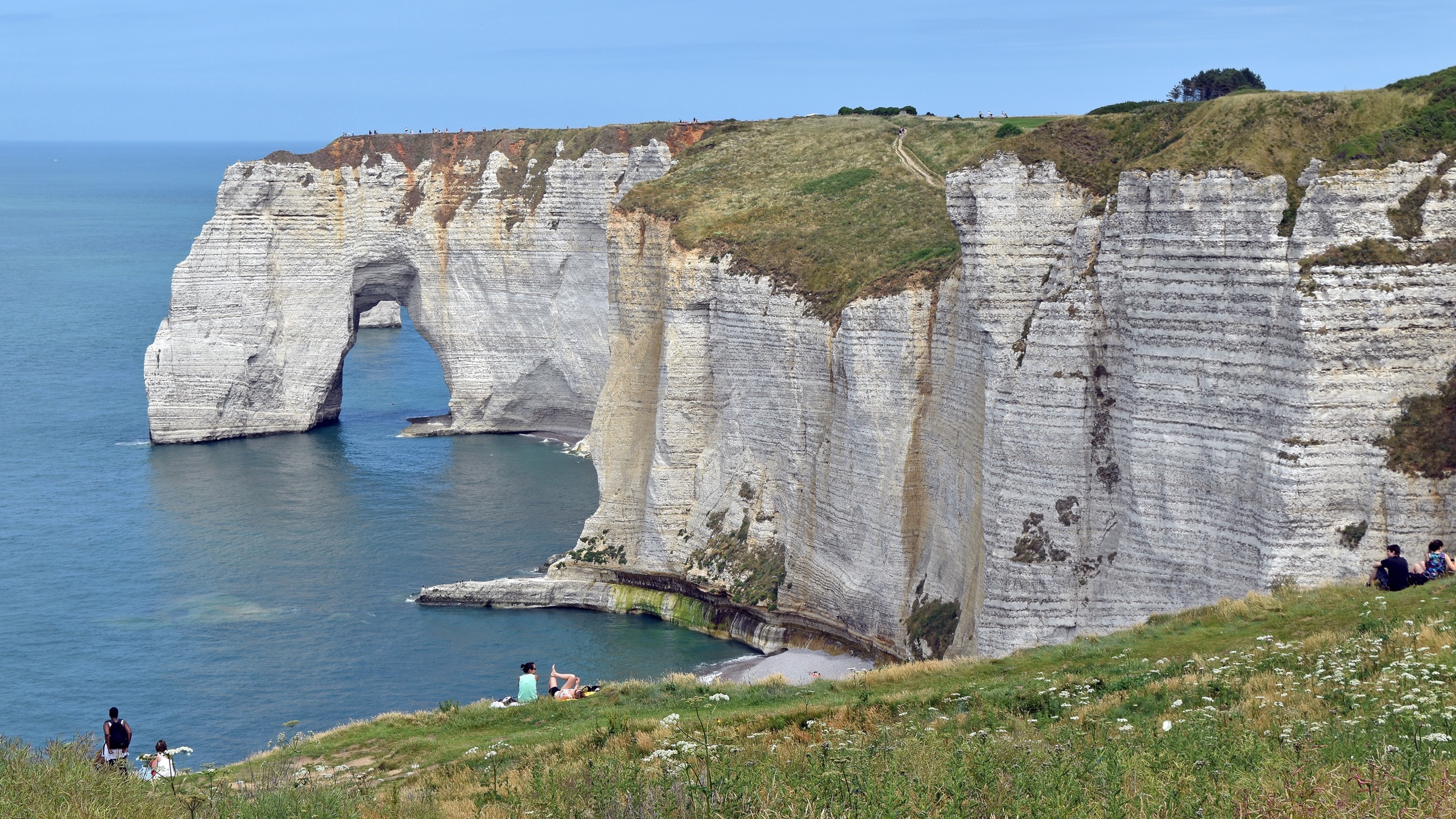
The Great Door (La Manneporte) - Étretat
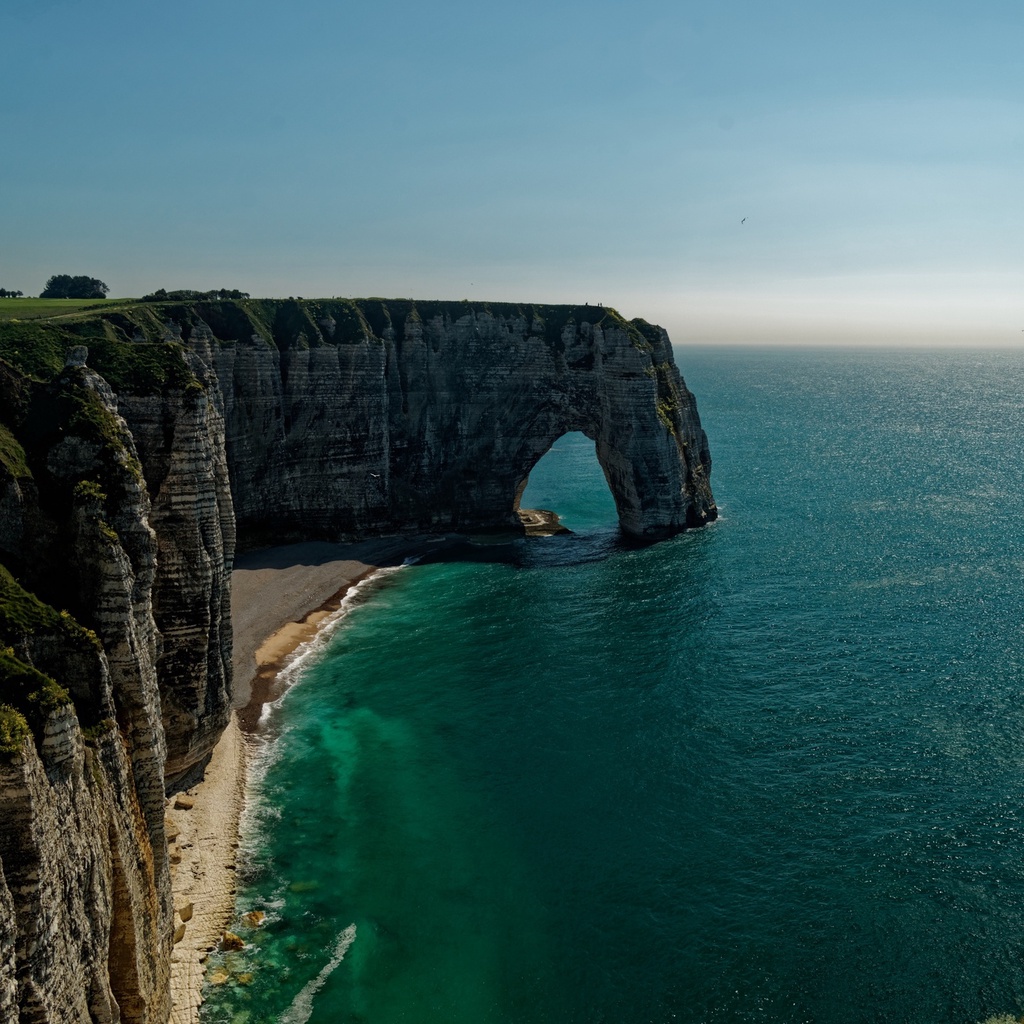
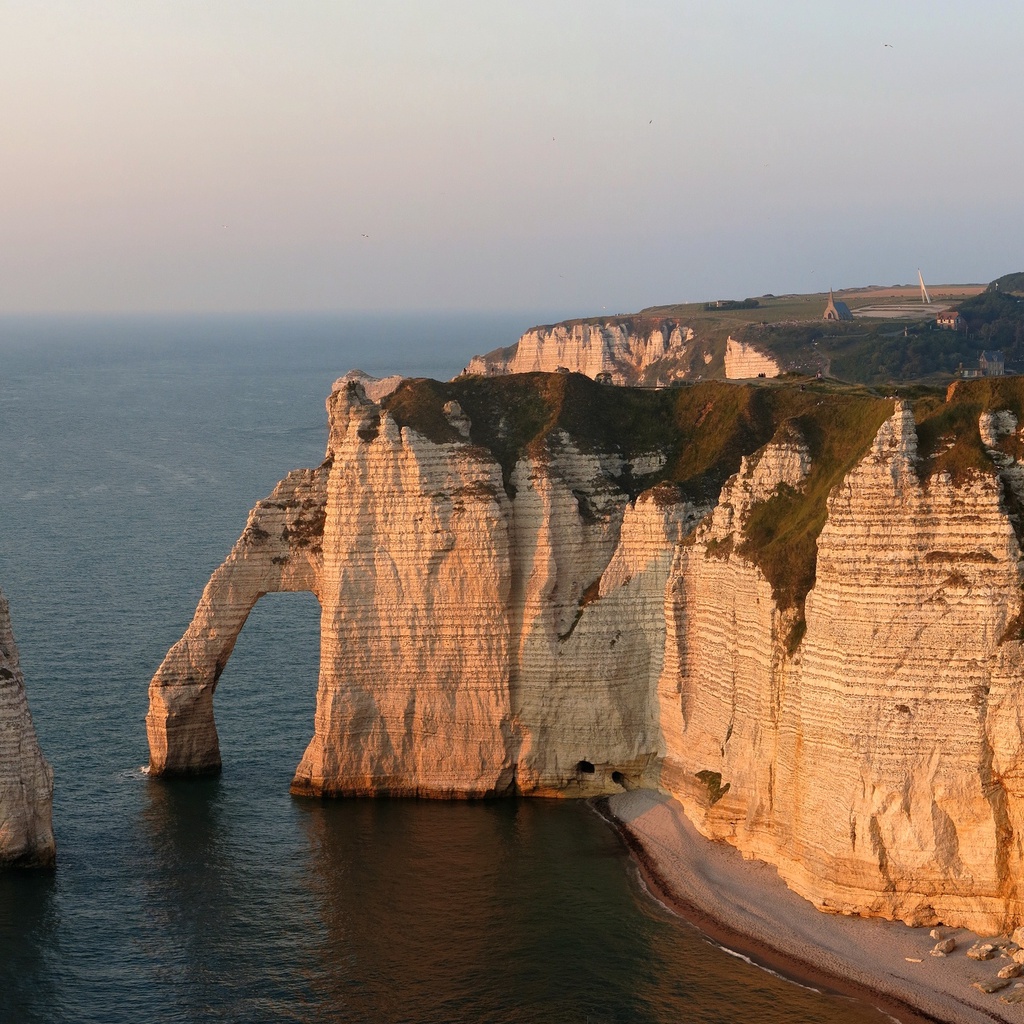
Natural arch of Manneporte in Etretat DSC0 1037 by Pline / Wikimedia Commons / CC BY-SA 4.0
CliffLandmarkNature

The Great Door (La Manneporte)

ÉtretatSeine-MaritimeNormandyNorthern FranceFrance
4.9(123 reviews)
1.5 hours
Must See

About The Great Door (La Manneporte)

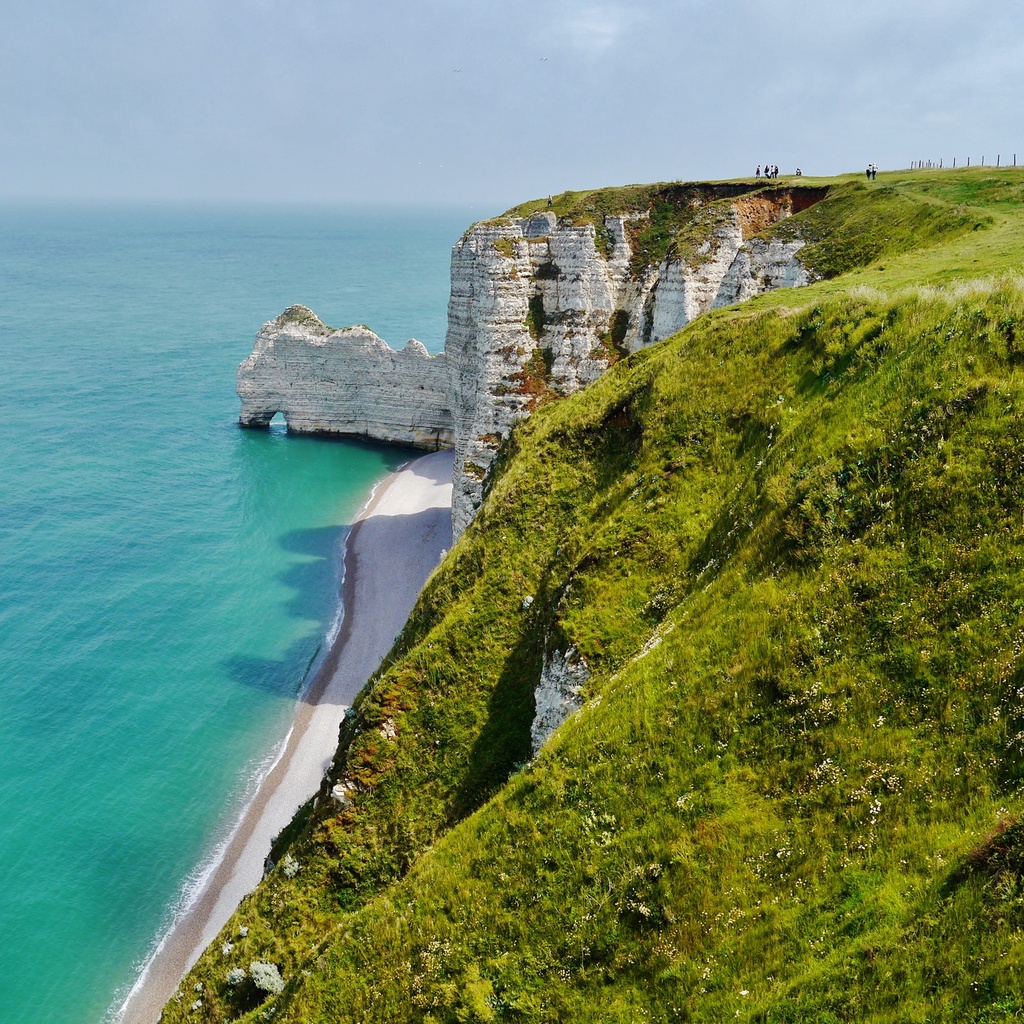
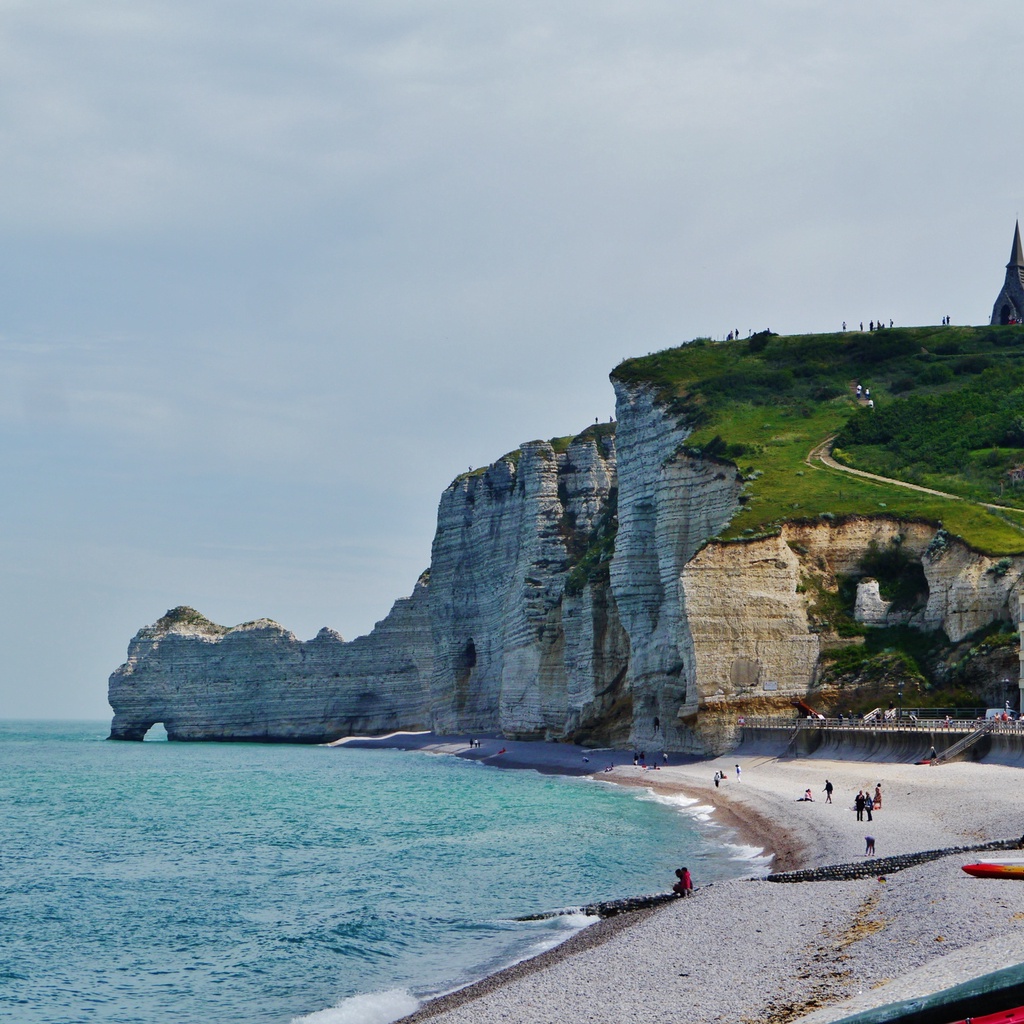
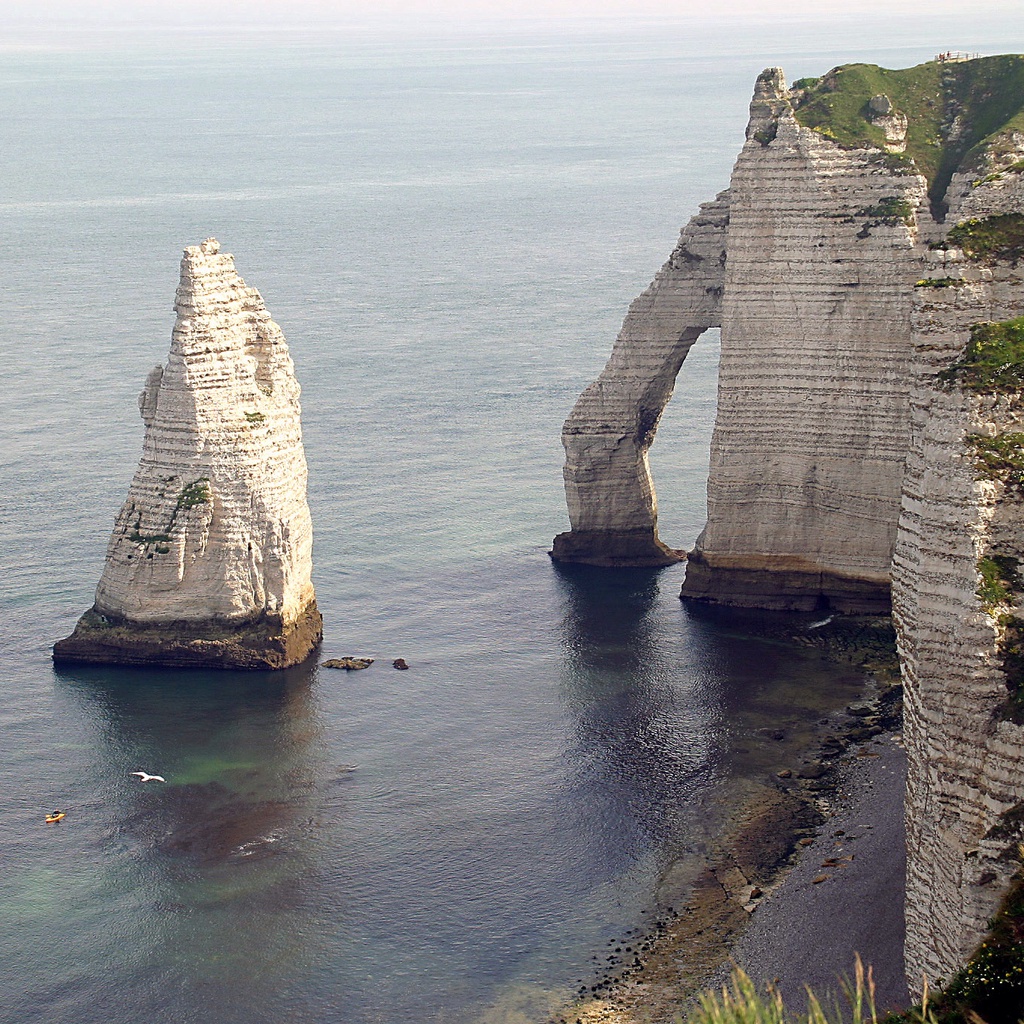
La Manneporte is the largest and most spectacular natural rock arch along the famous chalk cliffs of Étretat on Normandy's Alabaster Coast. The name derives from Old French meaning 'Great Door,' and the arch is so massive that writer Guy de Maupassant famously declared a ship could sail through it with all sails deployed. Unlike the two other famous arches (Porte d'Aval and Porte d'Amont) visible from town, La Manneporte rewards visitors who make the 30-minute hike along the GR21 trail to discover this hidden geological masterpiece. The dramatic white chalk formation, dating back 85-93 million years to the Cretaceous period, captivated Impressionist master Claude Monet, who painted it numerous times during his stays in the 1880s. Visitors can reach the arch via the clifftop trail year-round, or at low tide by walking through the 'Trou à l'Homme' cave and along Jambourg beach - though extreme caution is needed due to frequent rockfalls. The best views come at sunrise or sunset when the chalk glows golden, just as Monet captured it. Allow 1.5-2 hours for the round trip hike with time to absorb the breathtaking panorama of this natural wonder.

Interesting Facts

La Manneporte is so colossal that renowned French writer Guy de Maupassant famously compared it to a 'Gothic portal' capable of letting a fully-rigged sailing ship pass through with all its sails unfurled. This vivid description from his 1883 short story 'Le Horla' helped cement the arch's legendary status in French literature and continues to captivate visitors who try to imagine this spectacular sight.
Contrary to popular belief, the arch was not carved solely by the relentless pounding of ocean waves. Geological research has revealed that La Manneporte is actually the remnant of an ancient underground river system - a karst gallery that ran parallel to the coastline millions of years ago. The sea later exposed and widened this prehistoric tunnel, creating the dramatic natural arch we see today.
Impressionist master Claude Monet was so obsessed with painting La Manneporte that he created over a dozen works featuring the arch during his visits to Etretat in 1883, 1885, and 1886. He would often work on multiple canvases simultaneously, capturing the changing light at different times of day - a technique that helped define the Impressionist movement and made the Etretat cliffs world-famous.
The chalk cliffs of La Manneporte contain an extraordinary geological timeline spanning 85 to 93 million years. The white rock is composed of countless microscopic coccoliths - calcium carbonate plates from ancient algae - that accumulated at the bottom of a warm, shallow sea during the Cretaceous period when dinosaurs still roamed the Earth. Dark horizontal bands of flint visible in the cliff face represent layers of silica-rich organisms that lived during this prehistoric era.

Planning Your Visit

Opening Hours

Monday -
Tuesday -
Wednesday -
Thursday -
Friday -
Saturday -
Sunday -

Location & Practical Info

These carefully curated day itineraries include this attraction and show you exactly how to plan your visit, including transport, timing, and what else to see nearby.

Want to visit this attraction? These routes show you how to get here and what to combine it with.