Downstream Cliff (Falaise d'Aval) - Étretat
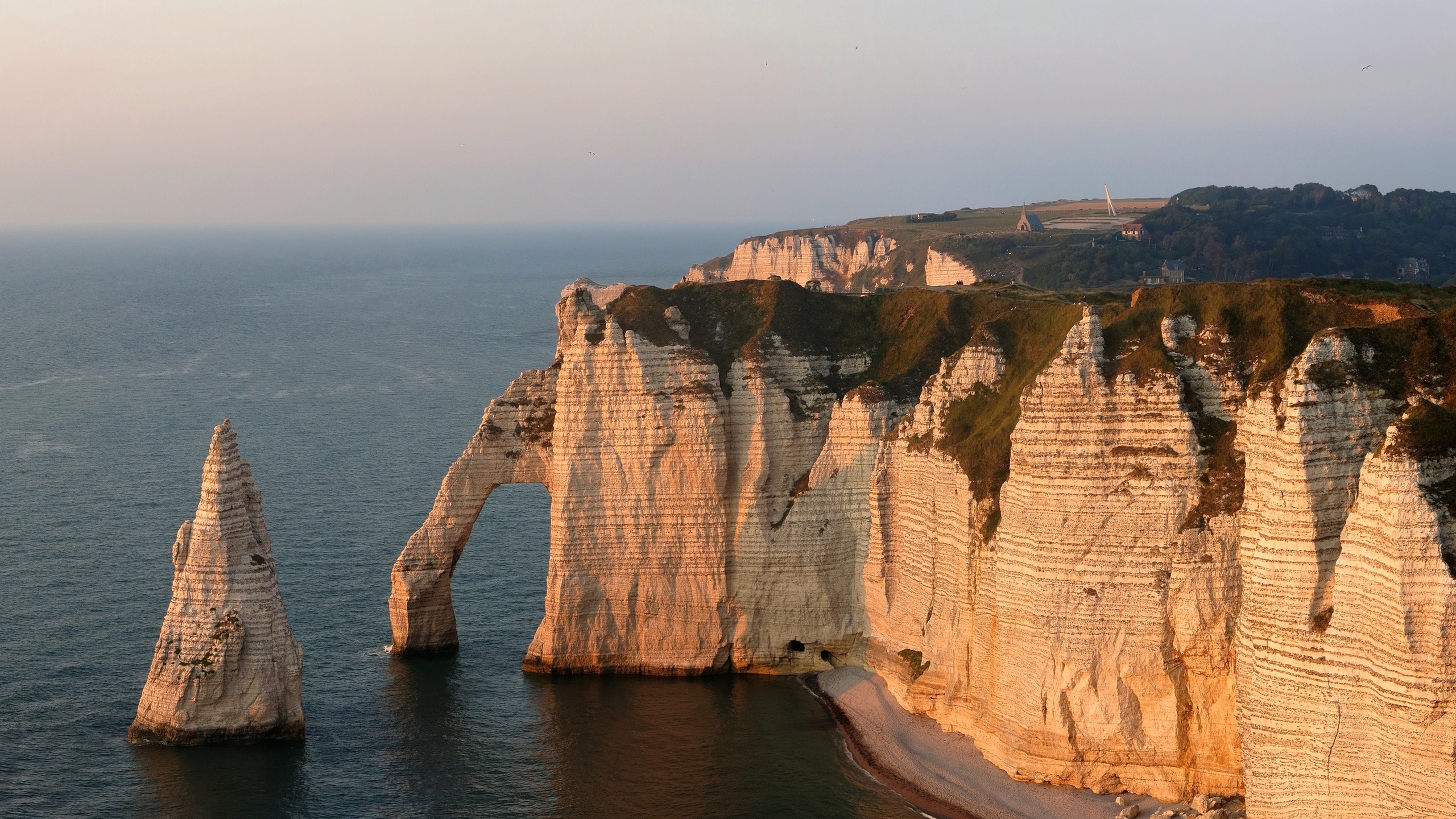
Porte d'Aval en soir by Jörg Braukmann / Wikimedia Commons / CC BY-SA 4.0
CliffLandmarkNatureViewpoint

Downstream Cliff (Falaise d'Aval)

ÉtretatSeine-MaritimeNormandyNorthern FranceFrance
4.8(17.0K reviews)
1.5 hours
Must See

About Downstream Cliff (Falaise d'Aval)

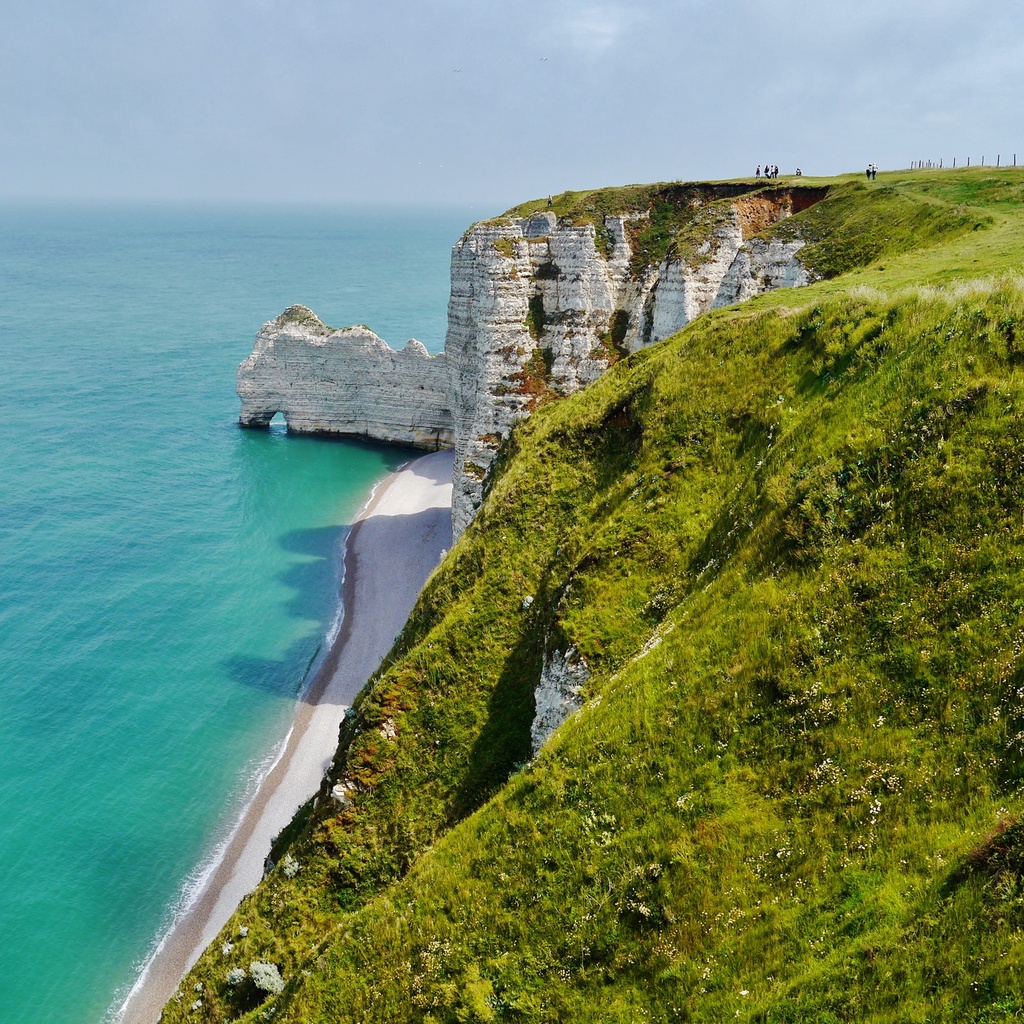
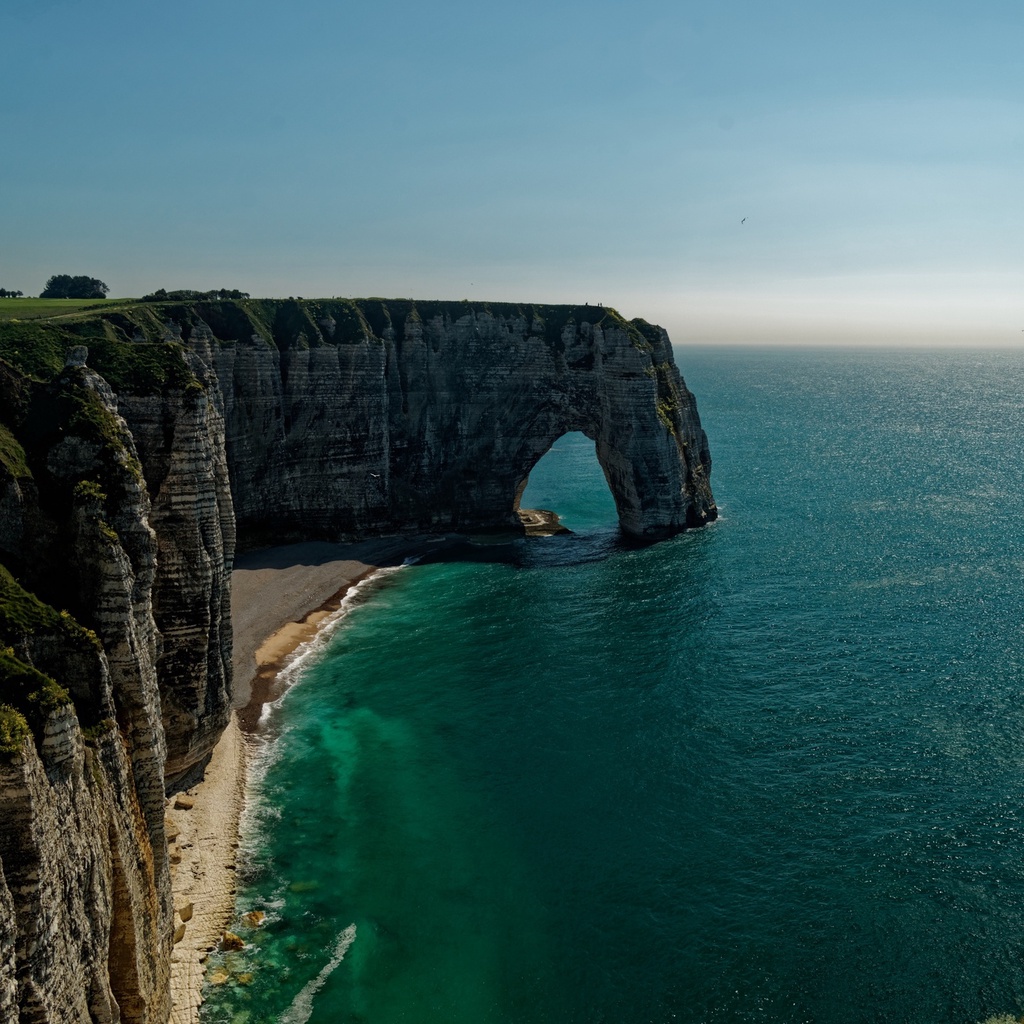
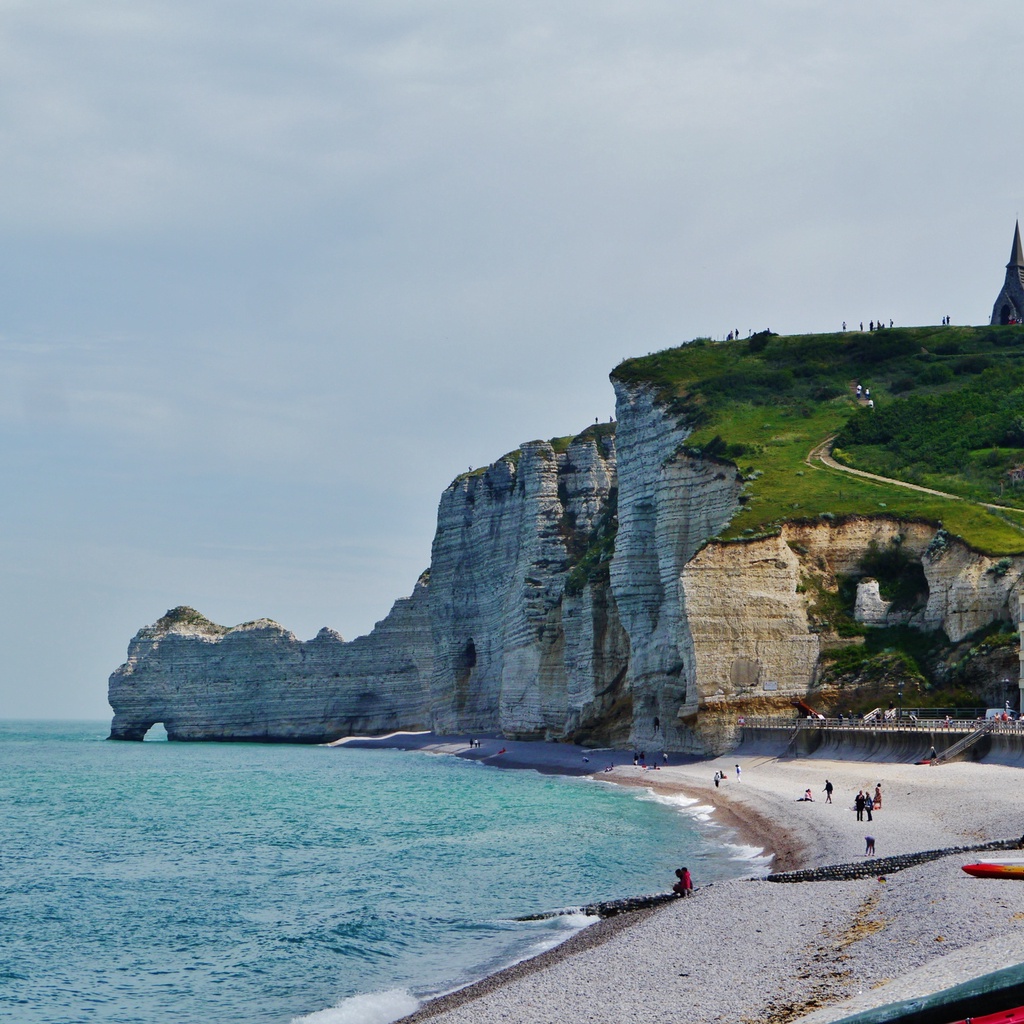
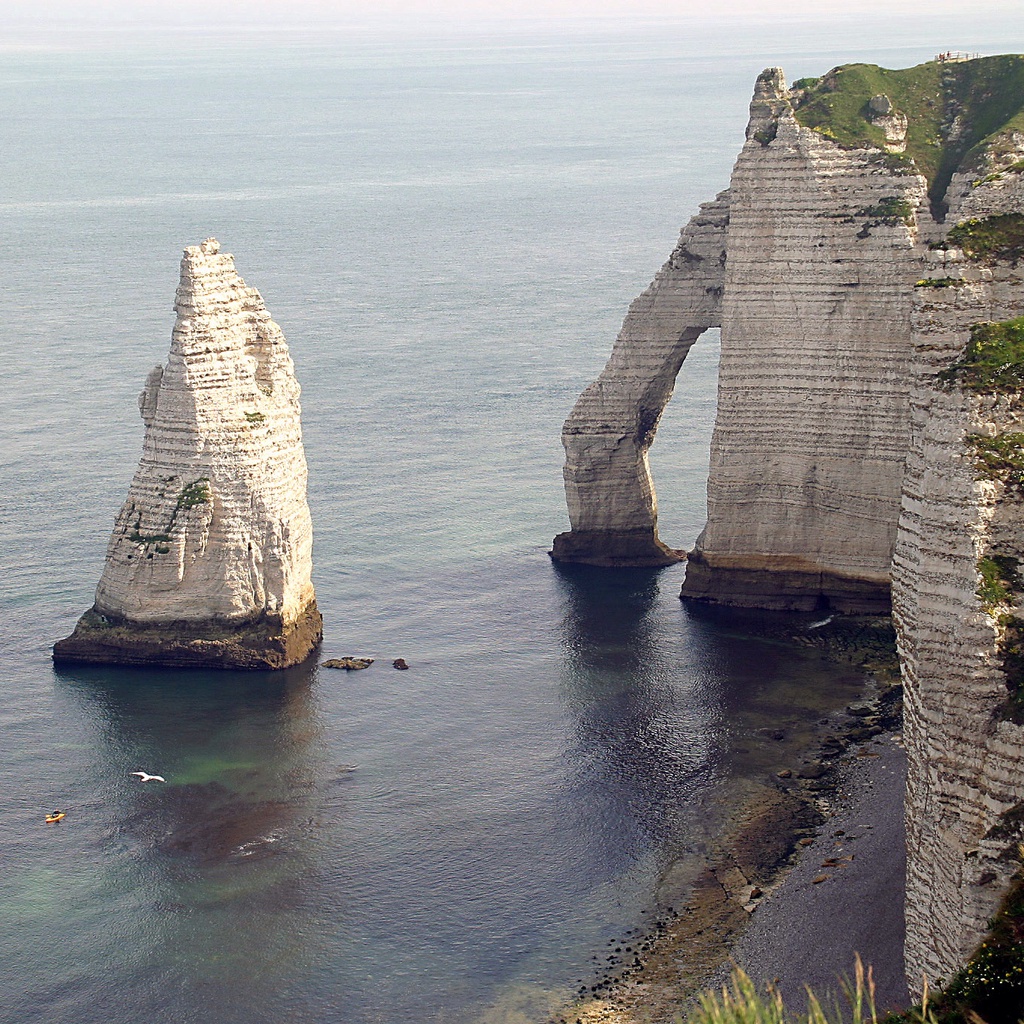
Falaise d'Aval is the most iconic of Étretat's famous chalk cliffs, rising 74 meters above the English Channel on the Normandy coast. The cliff features a spectacular natural arch called the Porte d'Aval, which resembles an elephant dipping its trunk into the sea, and the striking 55-meter-tall needle-shaped rock formation known as L'Aiguille d'Étretat standing isolated in the water. These dramatic white cliffs, formed from 85-million-year-old chalk from the Upper Cretaceous period, captivated Claude Monet who painted over 60 canvases of this landscape between 1883-1885. The site also inspired novelist Maurice Leblanc, who set his famous 1909 Arsène Lupin novel 'L'Aiguille Creuse' here, imagining a royal treasure hidden inside the hollow needle. Visitors can walk along well-maintained cliff-top paths for breathtaking panoramic views of the coastline, the village below, and the neighboring Manneporte arch. The site is freely accessible year-round, though caution is advised near cliff edges due to ongoing chalk erosion. For the best experience, visit during sunset when the white cliffs glow golden, just as Monet captured them in his masterpieces.

Interesting Facts

The natural arch Porte d'Aval famously resembles an elephant dipping its trunk into the sea - a comparison that has captivated visitors for centuries. Contrary to popular belief, this spectacular arch was not carved by ocean waves but by underground rivers and rainwater that dissolved the chalk from within, with the sea later sculpting the final form we see today.
Claude Monet was so enchanted by these cliffs that he painted over 60 canvases of Étretat between 1883 and 1885, often working in dangerous conditions. He was once swept away by a wave while painting and had to be rescued, losing his easel, canvas, and palette to the sea - an experience that didn't stop him from returning repeatedly to capture the cliffs' ever-changing light.
The 55-meter needle rock L'Aiguille d'Étretat inspired Maurice Leblanc's famous 1909 Arsène Lupin novel 'L'Aiguille Creuse' (The Hollow Needle), in which the gentleman thief discovers the treasure of the kings of France hidden inside. Leblanc was so connected to this place that around 1927, he had mysterious letters 'D' and 'F' carved into a cave on the cliff - according to 'Lupinologists,' these letters supposedly lead to the fabulous royal treasure.
The chalk cliffs are approximately 85 million years old, formed from countless microscopic marine organisms called coccolithophores during the Upper Cretaceous period. The cliffs are constantly eroding - at Les Tilleuls nearby, the cliff has receded an astonishing 35 meters in just one century, reminding visitors that this dramatic landscape is still being shaped by natural forces today.

Planning Your Visit

Opening Hours

MondayOpen 24/7
TuesdayOpen 24/7
WednesdayOpen 24/7
ThursdayOpen 24/7
FridayOpen 24/7
SaturdayOpen 24/7
SundayOpen 24/7

Location & Practical Info

Address

1 Rue du Bémont, 76790 Étretat, France

These carefully curated day itineraries include this attraction and show you exactly how to plan your visit, including transport, timing, and what else to see nearby.

Want to visit this attraction? These routes show you how to get here and what to combine it with.