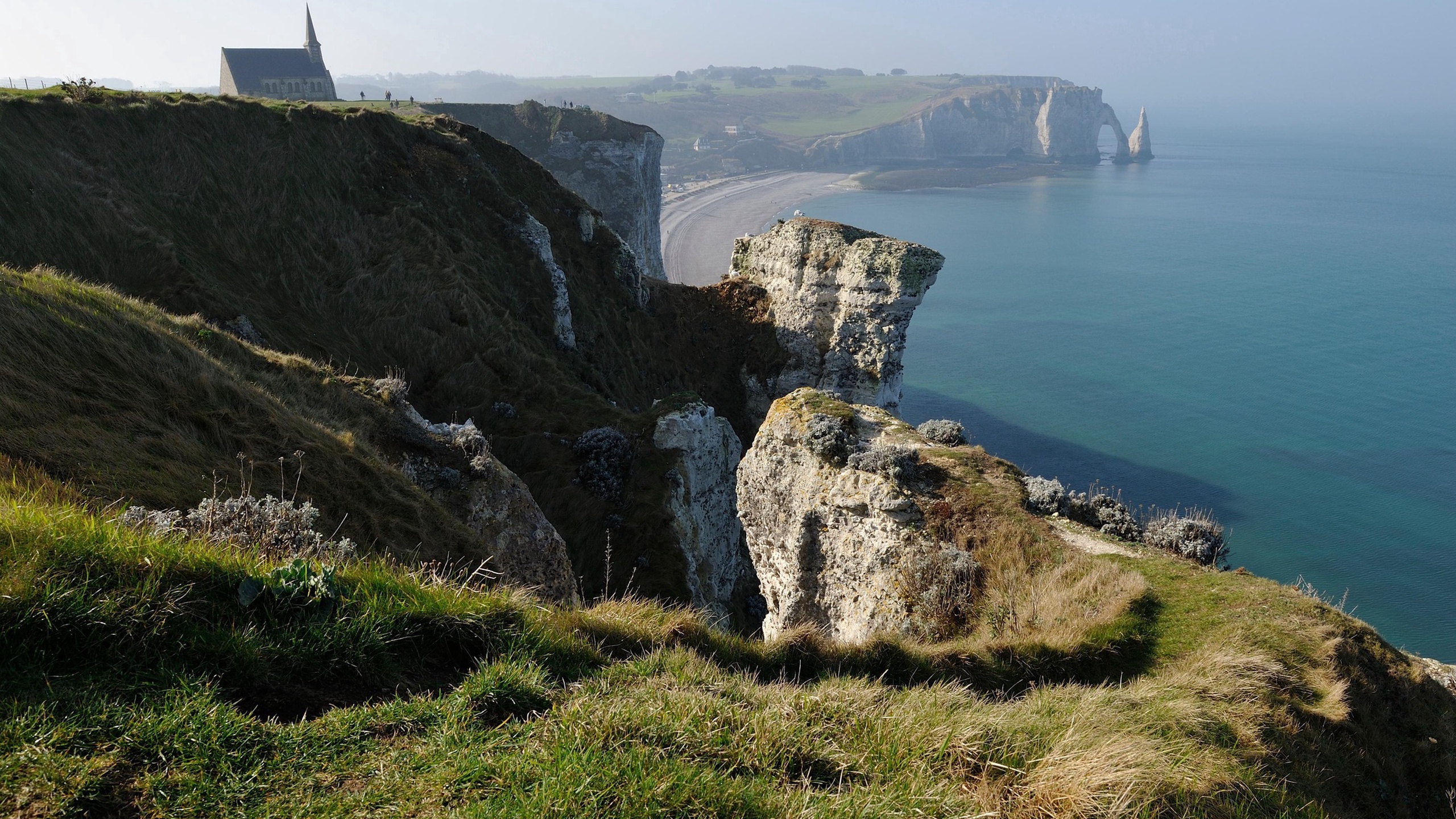
Chapelle Notre-Dame de la Garde, Étretat
Plan your visit
Best of Étretat in One Day
8 attractions · 9h 48min · transit route
Tickets ~€12.5
Step-by-step route with transport options and cost breakdown
About Chapelle Notre-Dame de la Garde
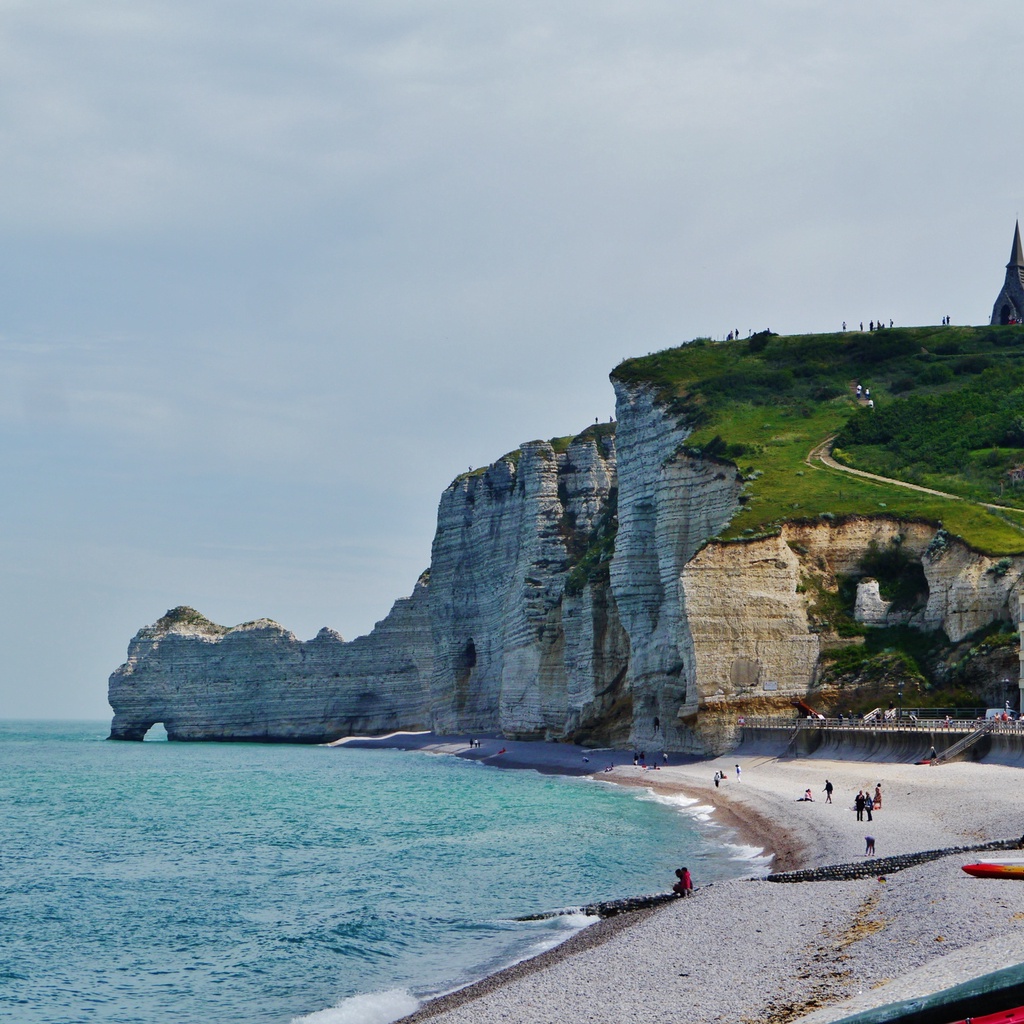
Perched atop the Falaise d'Amont, the Chapelle Notre-Dame de la Garde is a neo-Gothic chapel rebuilt in 1950 after the original 1856 structure was destroyed by German forces during World War II. Originally built by local fishermen and sailors who carried all materials up the cliff by hand, the chapel was dedicated to the Virgin Mary as a protective sanctuary for those at sea. The current building features maritime-themed architecture including a nave shaped like an upturned boat hull and gargoyles in the form of fish heads.
Chapelle Notre-Dame de la Garde — Planning Your Visit
Exterior Viewing Only
This attraction can only be viewed from the outside. Interior access is not available.
Open 24/7
This attraction is accessible at any time, no specific opening hours required.
Combine with 7 nearby attractions for a full day
From €12.5 / person — all tickets and transport included — transit route with total cost breakdown
All building materials for the original 1856 chapel were carried up the steep 200-step cliff entirely by hand on the backs of local fishermen and sailors. This remarkable community effort took several years to complete, as each stone and beam had to be hauled up the treacherous path as an offering to the Virgin Mary for protection at sea.
Travel Plans for Chapelle Notre-Dame de la Garde
Explore a city in one day
- Step-by-step walking route through the city
- Transport options with travel times and fares
- Entrance fees and opening hours for every stop
- Total cost calculated based on your preferences
Day Routes
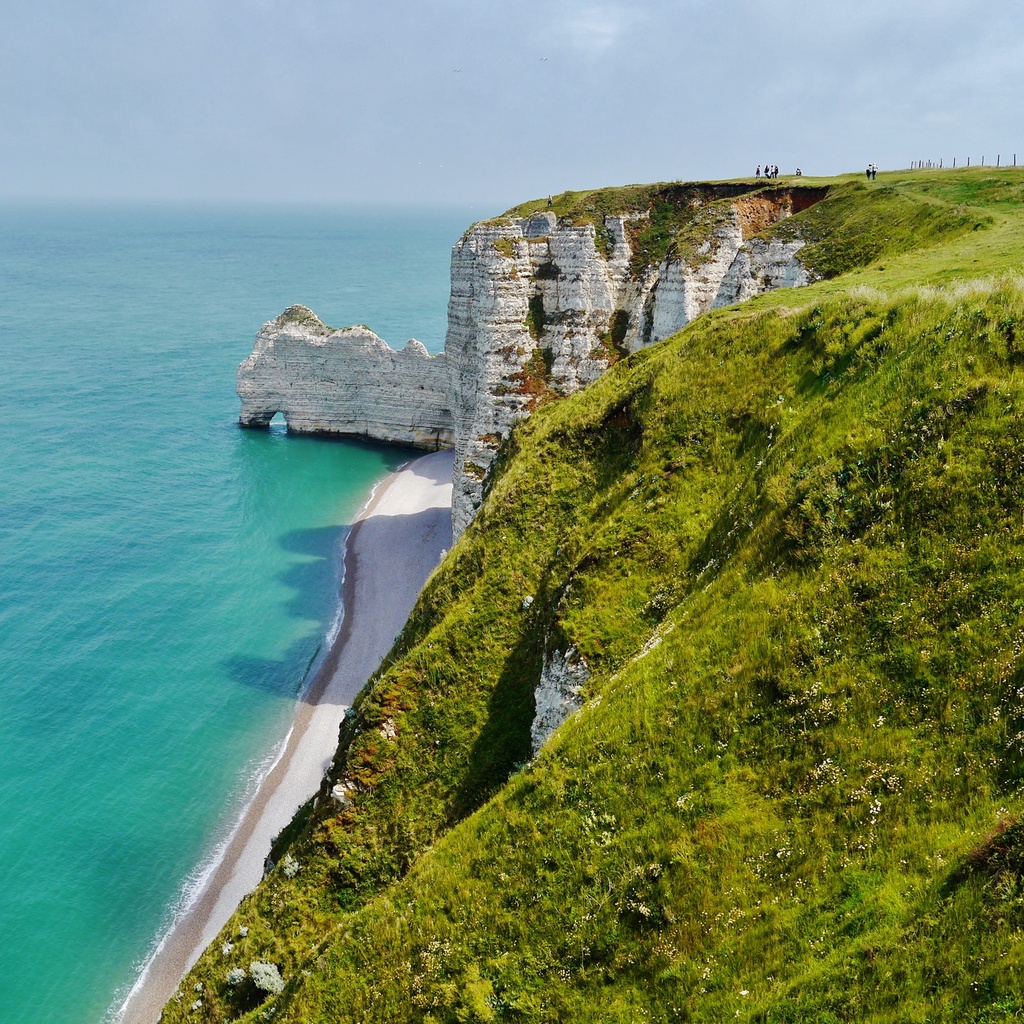
Best of Étretat in One Day
Étretat