Discover Normandy — Where History Meets the Sea
From D-Day beaches and medieval abbeys to Impressionist gardens and dramatic cliffs
About Normandy
A Region Shaped by History
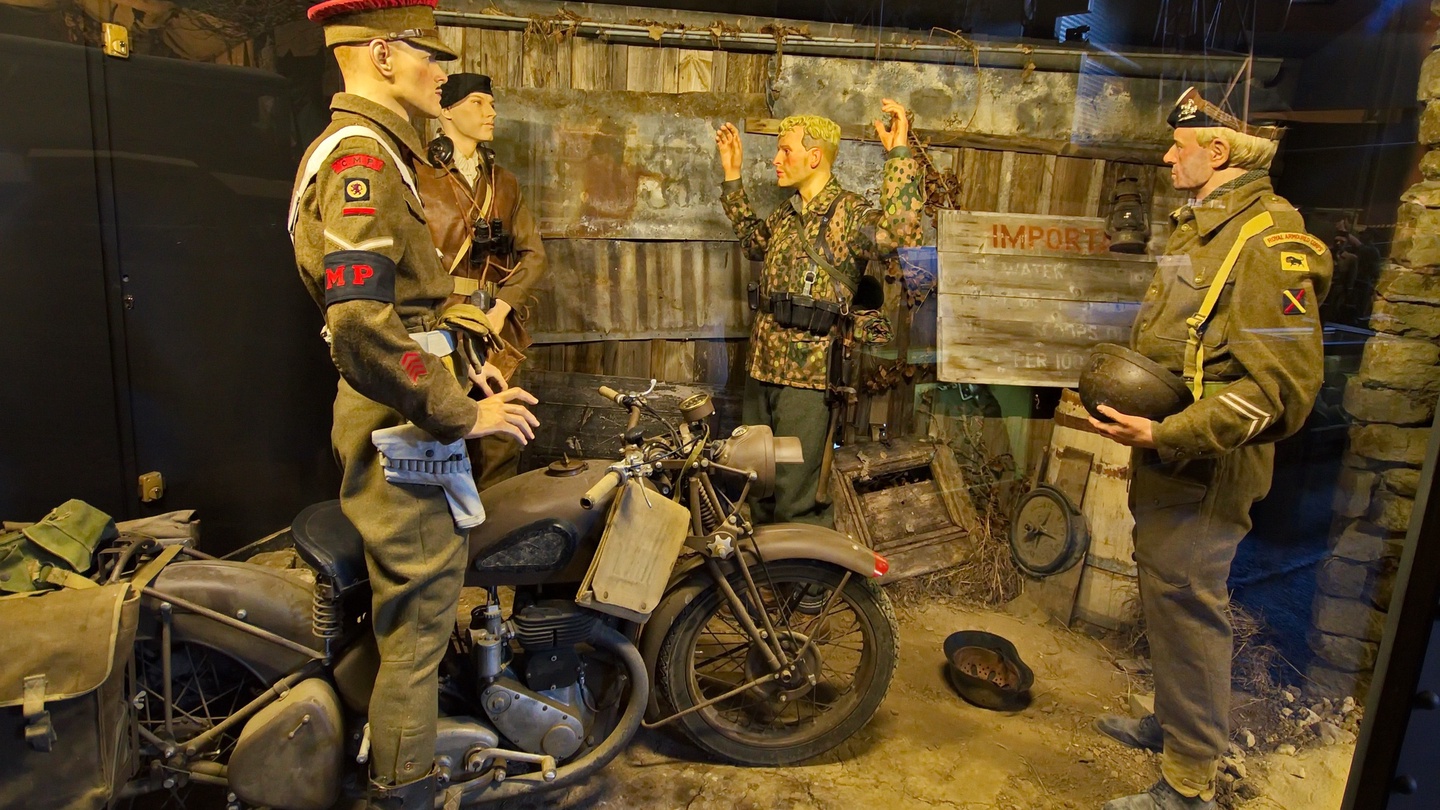
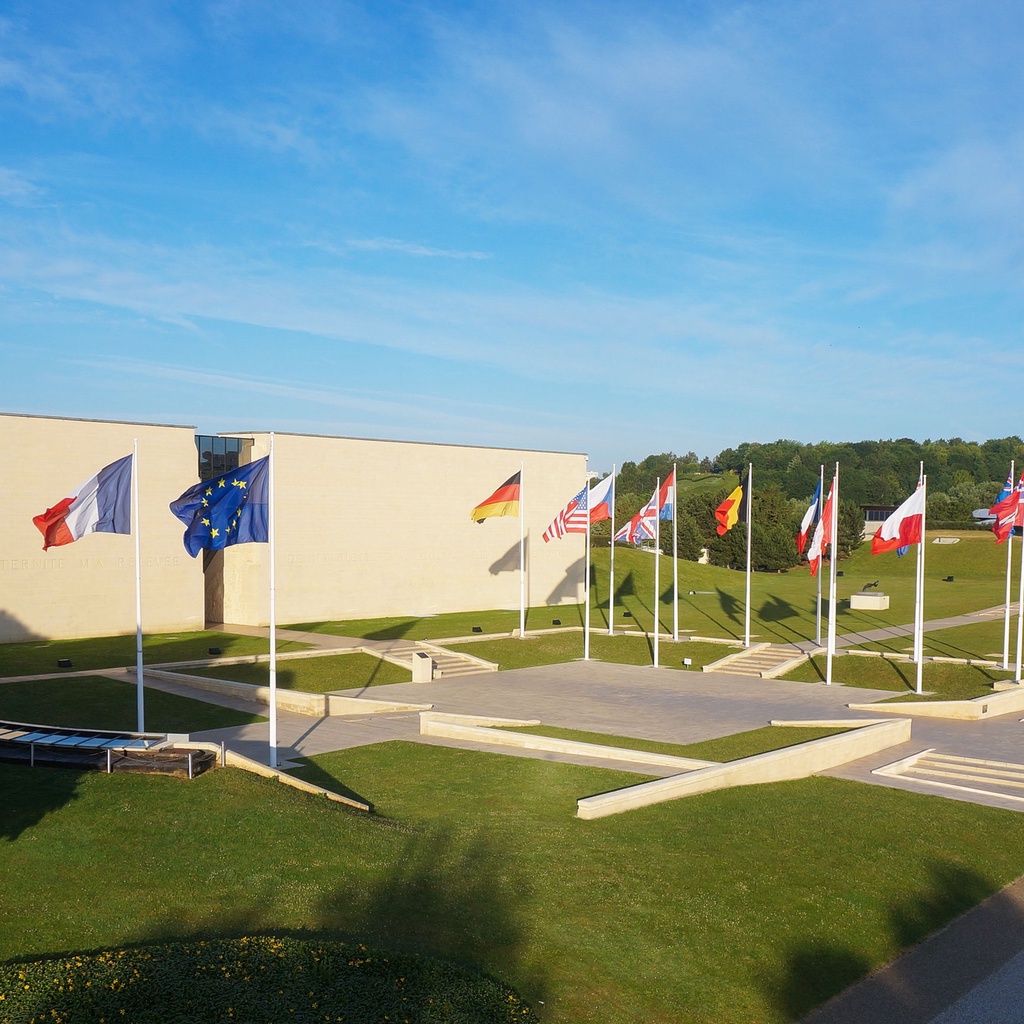
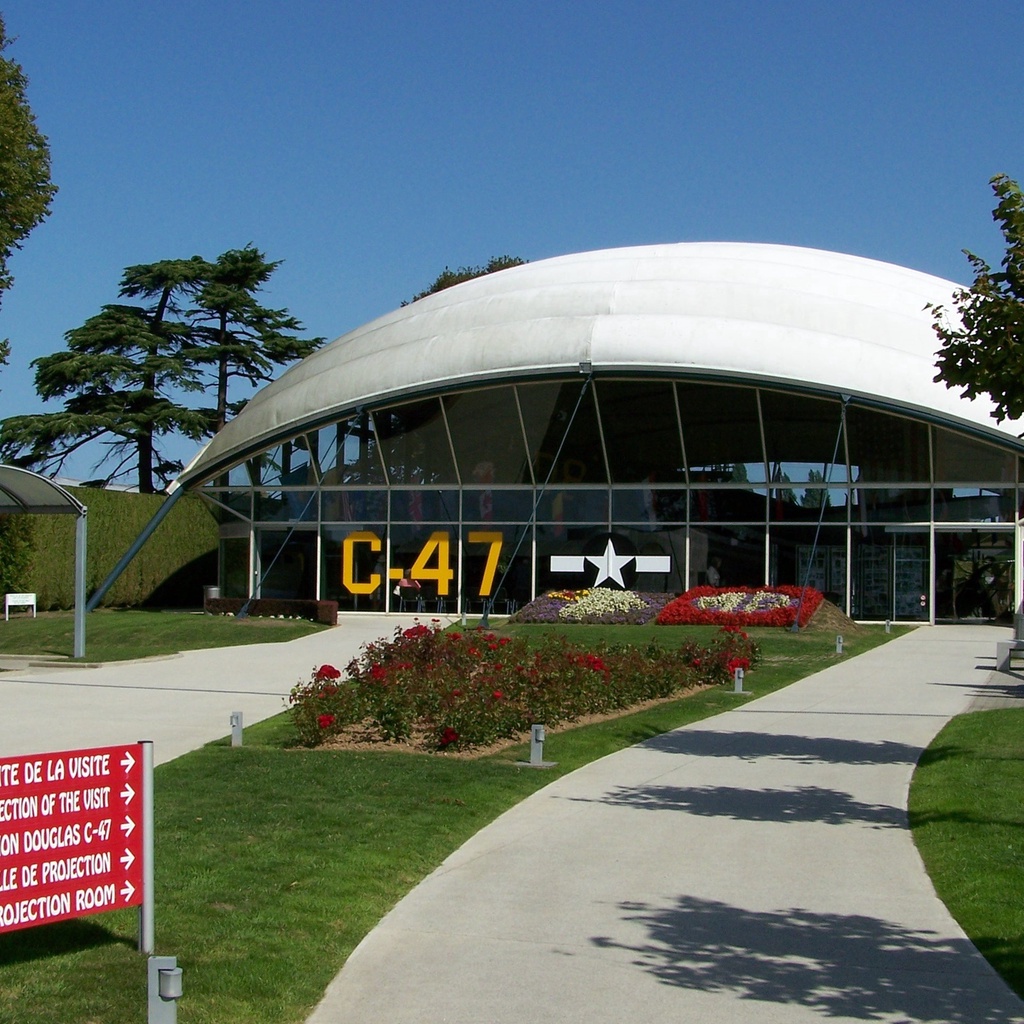
Normandy occupies a special place in world history. On June 6, 1944, Allied forces stormed five beaches along its coast in the largest amphibious invasion ever mounted — an operation that turned the tide of World War II. Today, the D-Day landing beaches, the Normandy American Cemetery, and dozens of museums preserve the memory of those who fought for freedom. But Normandy's story stretches far deeper: Vikings settled here in the 10th century, giving the region its name, and William the Conqueror launched his invasion of England from these shores in 1066.
Landscapes That Inspired Masterpieces
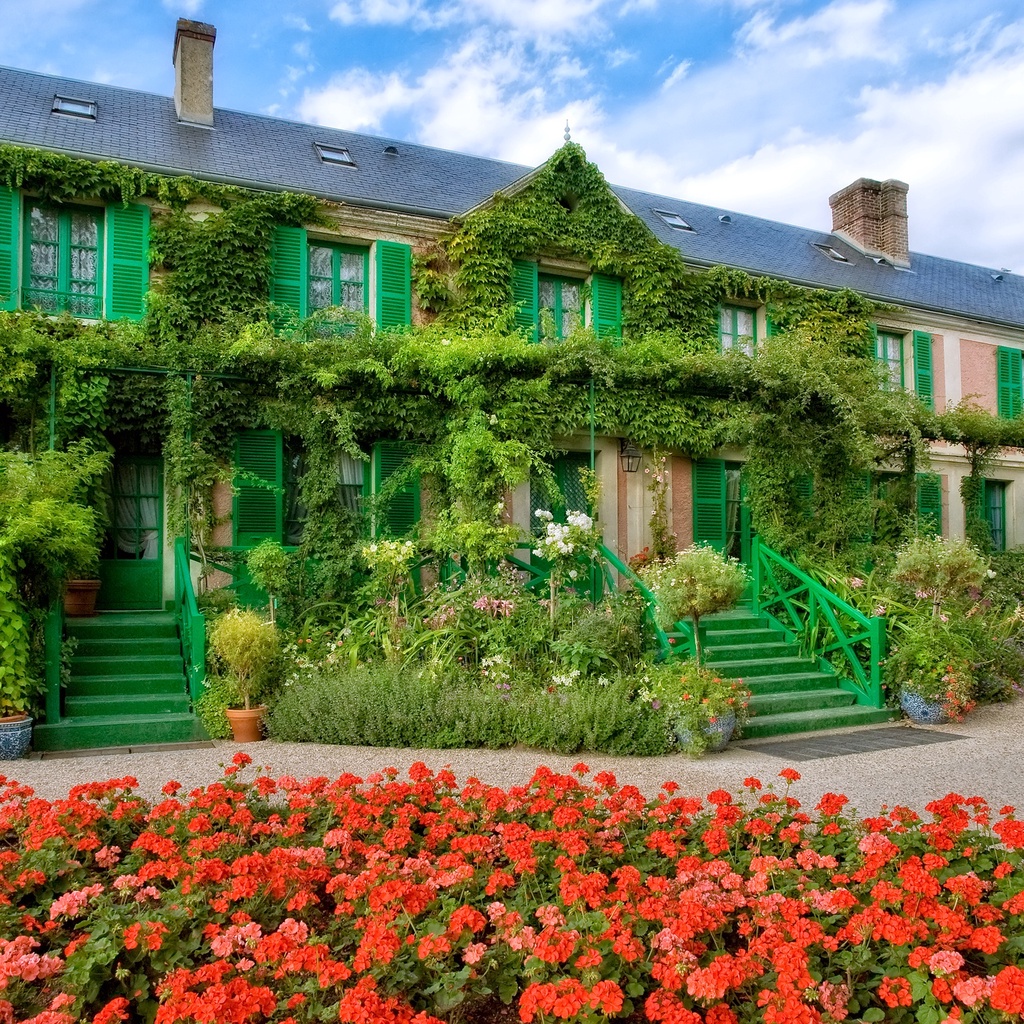
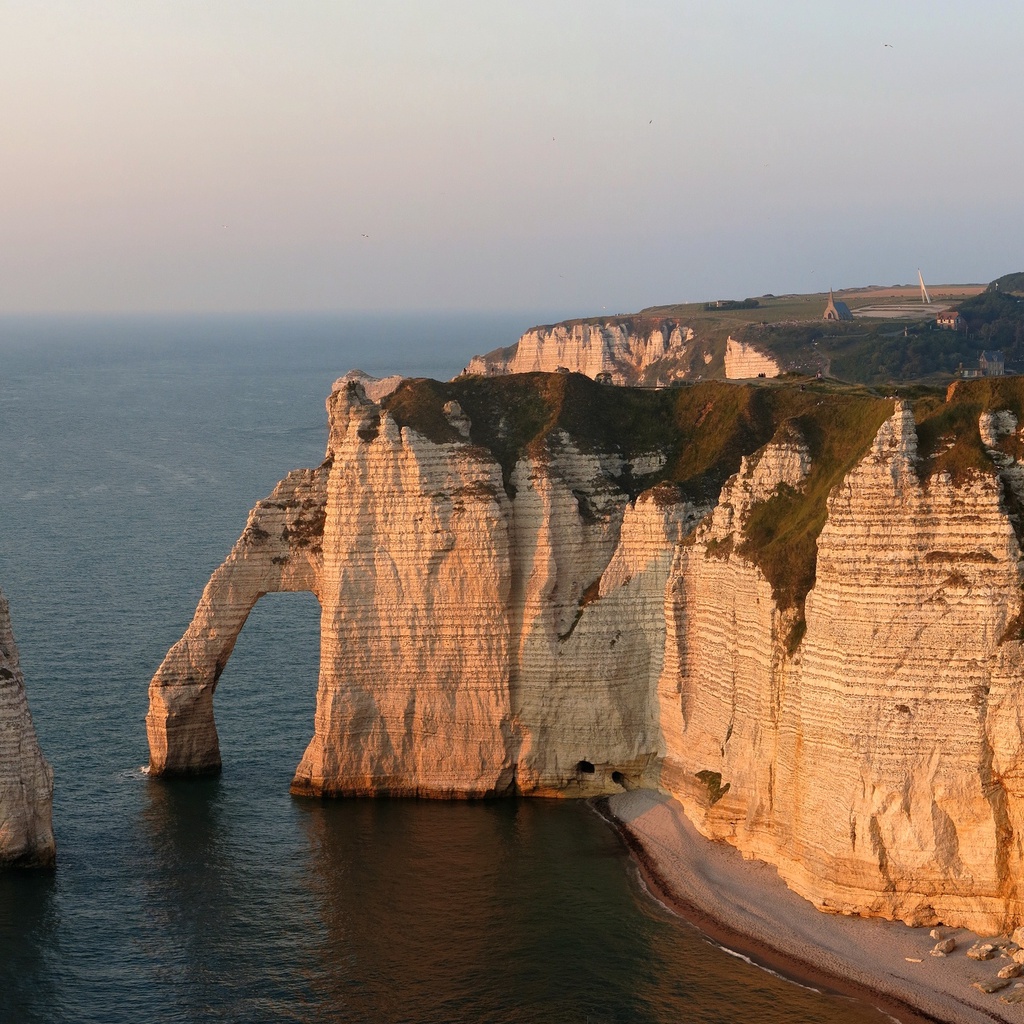
The ever-changing light and dramatic coastline of Normandy gave birth to Impressionism. Claude Monet painted his revolutionary 'Impression, Soleil Levant' in Le Havre, and his gardens at Giverny remain one of France's most visited sites. From the chalk-white cliffs of Étretat to the picturesque harbor of Honfleur, the landscapes that captivated Monet, Boudin, and Renoir continue to mesmerize visitors today.
A Feast for the Senses
Normandy is a gastronomic treasure. The region produces four celebrated PDO cheeses — Camembert, Pont-l'Évêque, Livarot, and Neufchâtel — alongside world-class cider, Calvados apple brandy, and Isigny cream. With 600 kilometers of coastline, fresh oysters, scallops, and sole appear on menus across the region. From Michelin-starred restaurants to rustic farm tables, every meal in Normandy tells a story of terroir and tradition.
Why Visit Normandy
Normandy offers a rare combination of world-changing history, natural beauty, artistic heritage, and exceptional cuisine — all within two hours of Paris.
Walk in the Footsteps of History
Visit the D-Day landing beaches, the Normandy American Cemetery, and the Bayeux Tapestry to witness pivotal moments in Western civilization.
Marvel at Natural Wonders
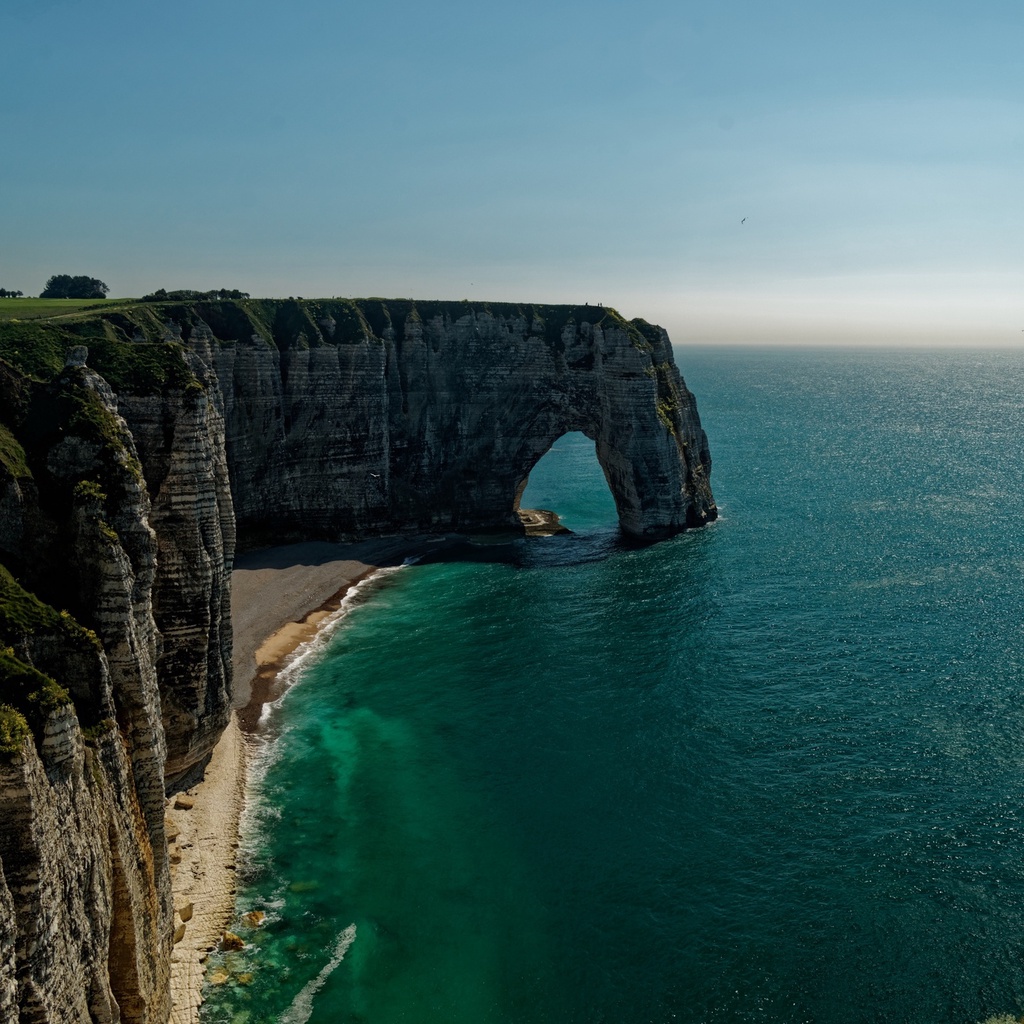
From the towering chalk cliffs of Étretat to the tidal island of Mont Saint-Michel, Normandy's landscapes are among Europe's most dramatic.
Follow the Impressionist Trail
Explore Monet's gardens at Giverny, the harbor of Honfleur, and over 50 sites that inspired the Impressionist movement.
Savor Authentic French Gastronomy
Taste Camembert at its source, sip Calvados in centuries-old distilleries, and enjoy fresh seafood pulled straight from the Atlantic.
Escape the Paris Crowds
Just two hours from the capital by train, Normandy offers authentic French charm, peaceful countryside, and uncrowded medieval towns.
Travel Statistics
Normandy — Region Map
Cities and subregions in this area
Legend
Location & Geography
Quick Facts
Travel Statistics
Location & Geography
Normandy Travel Guide
Best Time to Visit
May to September offers the best weather, with June through August being peak season. Shoulder months (May and September) provide a perfect balance of pleasant weather and fewer crowds.
Spring (April–May)
Gardens burst into bloom, temperatures climb to 15–18°C, and tourist crowds remain thin. Ideal for Giverny and countryside exploration.
- •Giverny gardens in full bloom
- •Apple blossom season in the bocage
- •Fewer tourists at D-Day sites
Summer (June–August)
Warmest months with highs of 20–25°C. Peak tourist season with the best beach weather. D-Day anniversary events in June draw large crowds.
- •D-Day anniversary ceremonies (June 6)
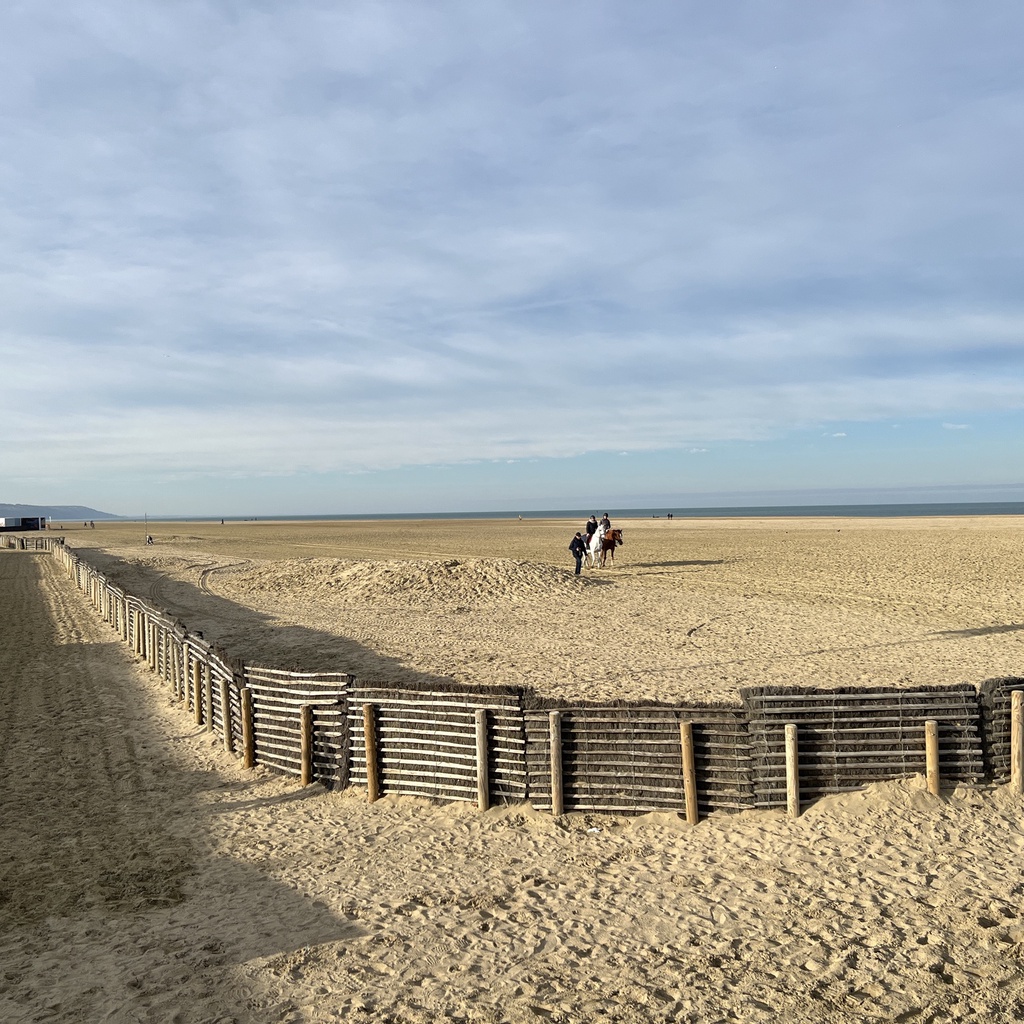
- •Beach season on the Côte Fleurie
- •Longest daylight hours
- •Deauville summer events
Autumn (September–October)
Warm early autumn with temperatures around 15–18°C, beautiful foliage, and thinning crowds. An excellent time for food-focused travel.
- •Apple harvest and cider-making season
- •Golden autumn foliage
- •Quieter historic sites
- •Mushroom foraging
Winter (November–March)
Cool and atmospheric with temperatures of 3–8°C. Fewest visitors, lowest prices, and a peaceful charm. Some attractions have reduced hours.
- •Christmas markets in Rouen
- •Atmospheric Mont Saint-Michel
- •Oyster season at its peak
- •Lowest accommodation prices
Getting Around
A rental car is the most flexible way to explore Normandy, especially for D-Day beaches and rural areas. Major cities are well connected by train from Paris.
Car
The best option for comprehensive exploration. Well-maintained roads connect all attractions. The A13 motorway links Paris to Rouen (1.5 hrs) and Caen (2.5 hrs).
Book parking in advance for Étretat and Mont Saint-Michel during peak season — lots fill up quickly.
Train
Direct trains from Paris Saint-Lazare reach Rouen (1h20), Caen (2h), Bayeux (2h20), and Cherbourg (3h). The Nomad regional network connects smaller towns.
Book SNCF tickets early for the best fares — prices can triple closer to the travel date.
Bus
The Nomad bus network covers 130 routes across the region. FlixBus and BlaBlaCar also connect major cities to Paris and beyond.
Download the Atoumod app for real-time schedules and mobile ticketing across all Normandy public transport.
Bicycle
La Vélomaritime follows the coast from Mont Saint-Michel to the Belgian border. Dedicated cycle paths link many towns and attractions.
E-bike rental is widely available in coastal towns — perfect for the rolling Norman terrain.
Sub-regions at a Glance
Normandy spans five departments, each with a distinct character — from dramatic coastlines and wartime history to pastoral countryside and artistic heritage.
Practical Essentials
Tipping
Service charge (15%) is included in all restaurant bills by law. No additional tip is required, though rounding up by €1–2 for exceptional service is a welcome gesture.
Language
French is the primary language. English is widely understood in tourist areas, hotels, and major attractions. Learning basic phrases like 'Bonjour' and 'Merci' is greatly appreciated and opens doors in smaller villages.
Safety
Normandy is a very safe travel destination with crime rates below the French national average. Standard precautions against petty theft in crowded tourist areas are sufficient.
Drinking Water
Tap water is safe to drink throughout the region and is served free in restaurants when requested ('une carafe d'eau, s'il vous plaît').
Customs & Etiquette
- •Always greet with 'Bonjour' when entering shops, restaurants, or any establishment
- •Meal times are sacred — lunch is typically 12:00–14:00 and dinner 19:30–22:00
- •Wait for everyone to be served before beginning to eat
- •Many shops close on Sundays and during the midday break
- •The apéritif is an important social ritual — never refuse one
Itineraries for Normandy
Explore a city in one day
- Step-by-step walking route through the city
- Transport options with travel times and fares
- Entrance fees and opening hours for every stop
- Total cost calculated based on your preferences
Day Routes
View all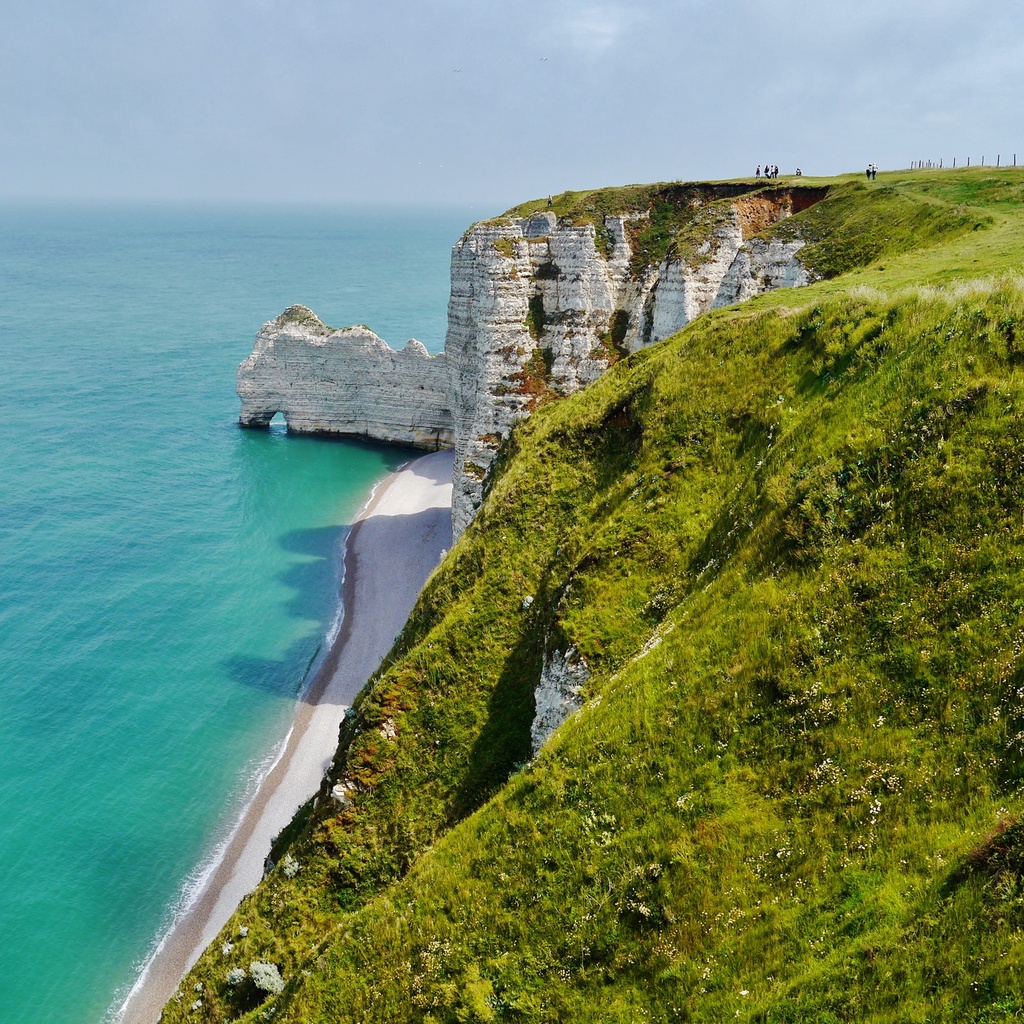
Best of Étretat in One Day
Étretat
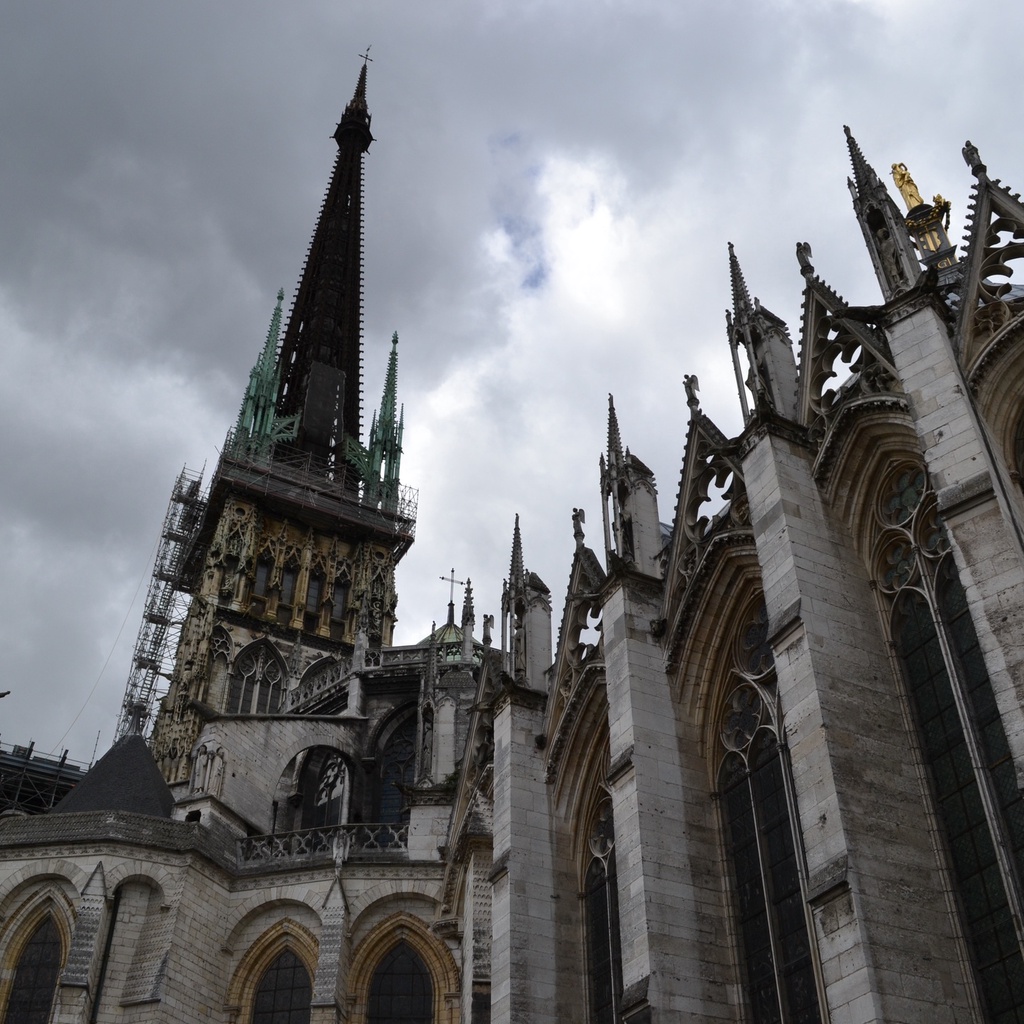
Medieval Rouen walking tour
Rouen
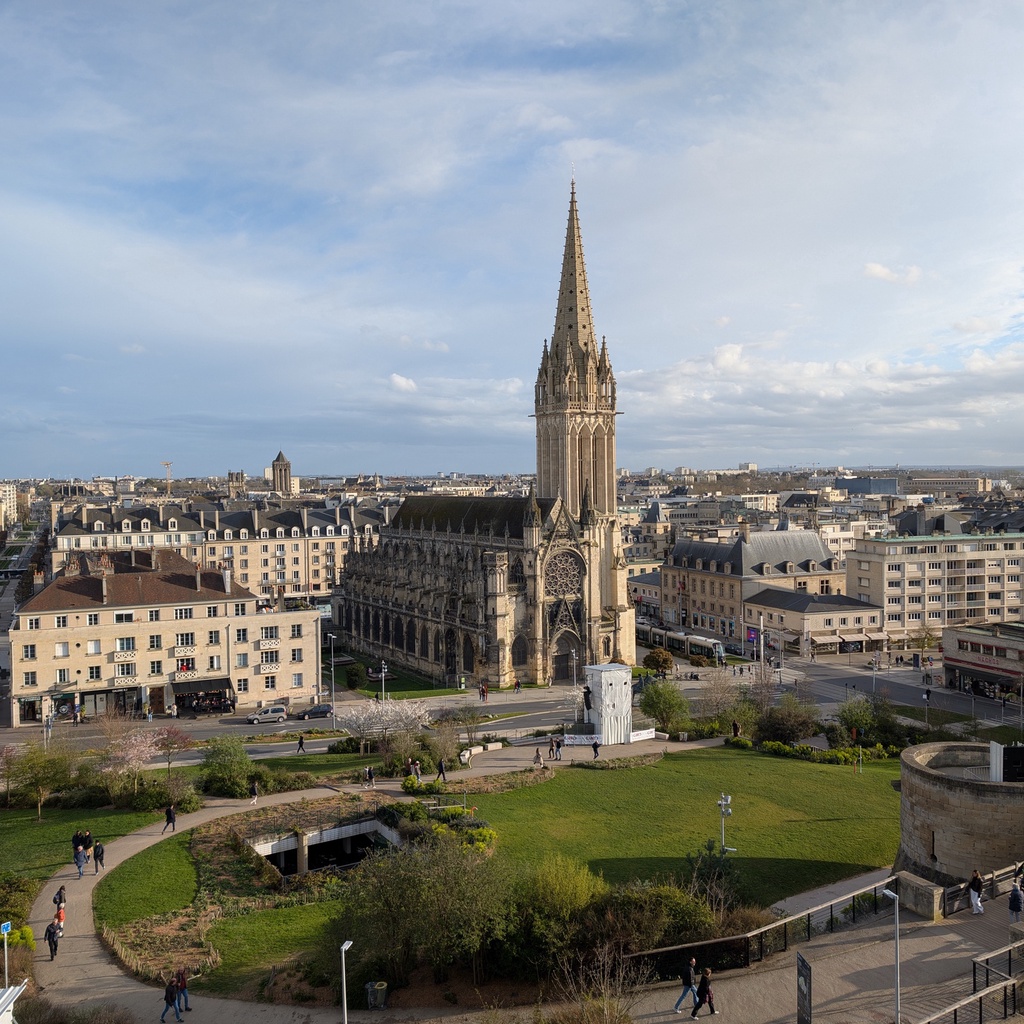
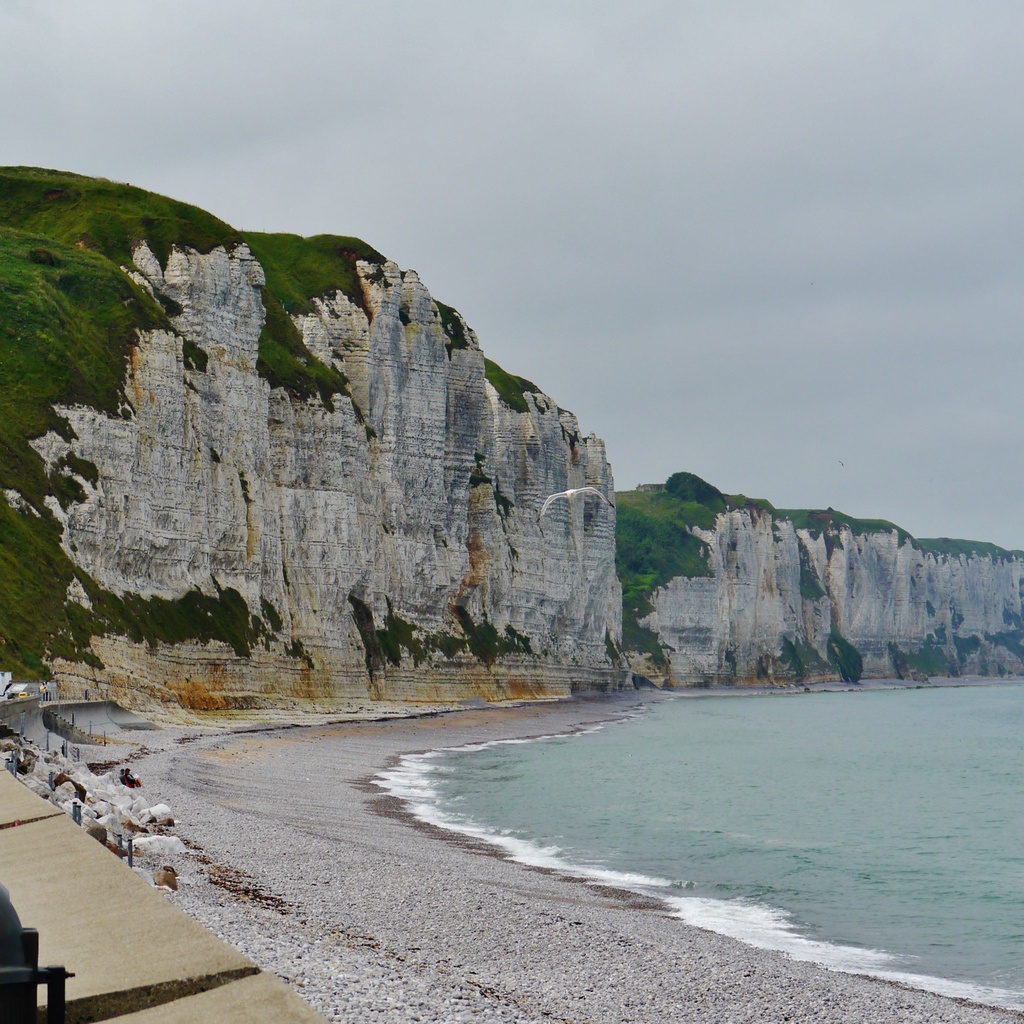
Complete Fécamp in one day
Fécamp
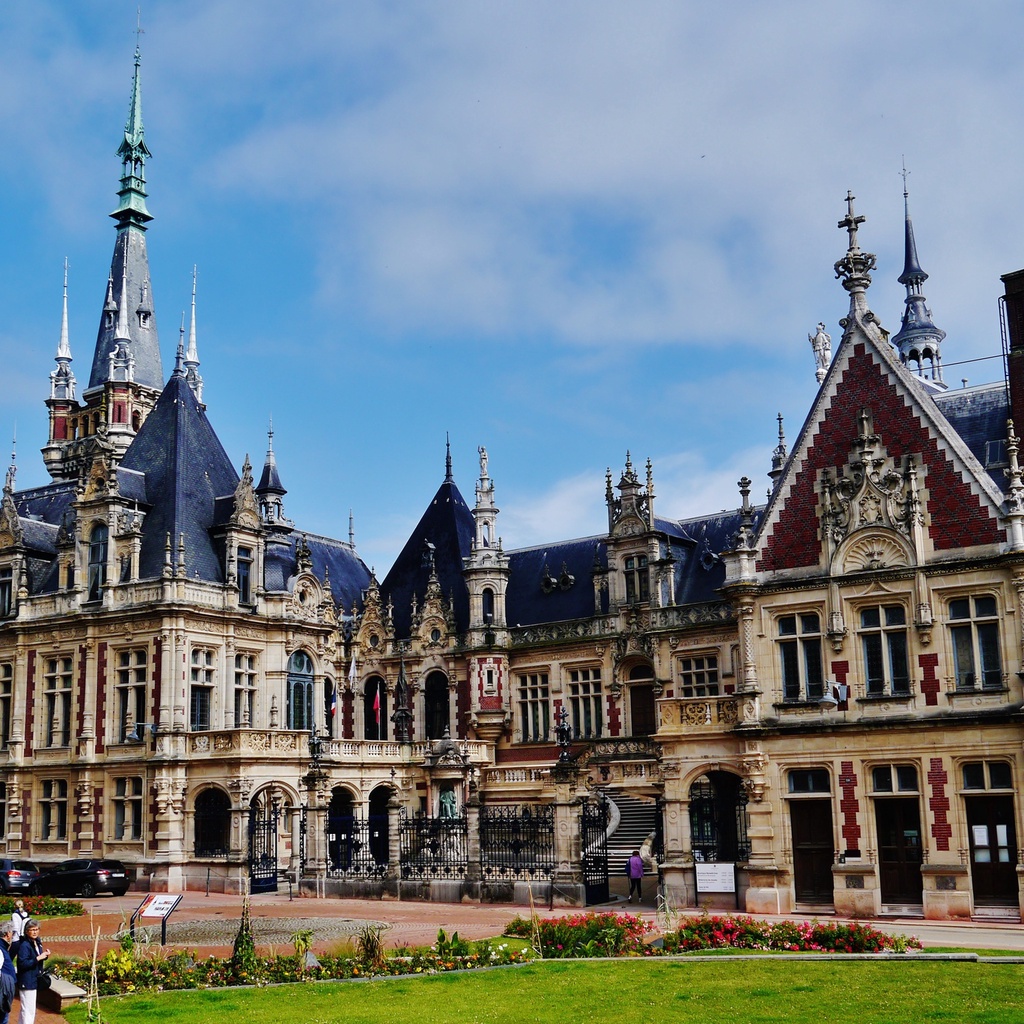
Must see of Fécamp
Fécamp
Daily Budget in Normandy
Estimated daily costs per person
About Cost Estimates
Prices shown are average estimates to help you plan your budget. Actual costs may vary.
Budget
€53
per day
Mid-Range
€107
per day
Luxury
€435
per day
Prices are estimates and may vary by season and availability
Attractions in Normandy
390 attractions available
Showing 12 of 390 attractions
View All AttractionsFrequently Asked Questions About Normandy
How many days should I spend in Normandy?
Can I visit Normandy without a car?
What is the best base for exploring Normandy?
Is Mont Saint-Michel worth visiting?
What food should I try in Normandy?
How do I get from Paris to Normandy?
Cities in Normandy, France
Discover cities in this region
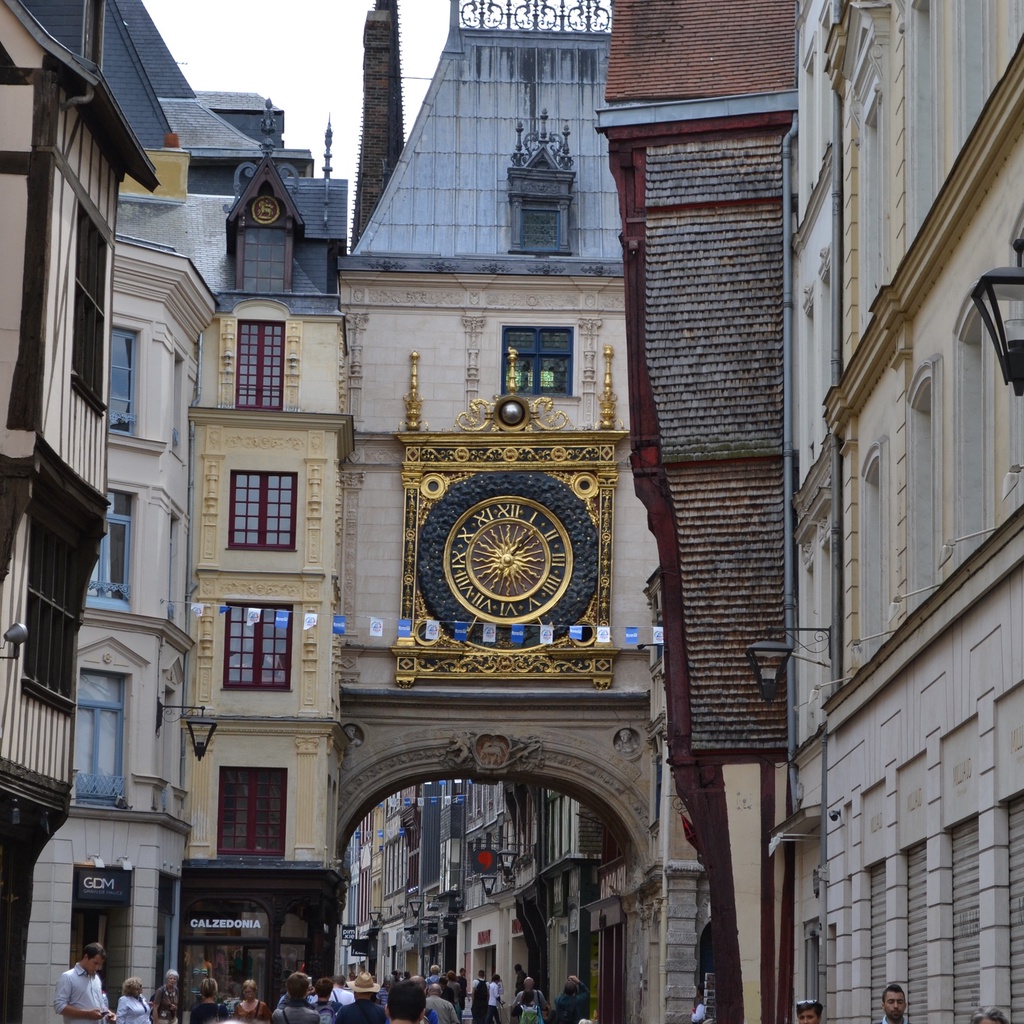
Rouen
25 attractionsFrance
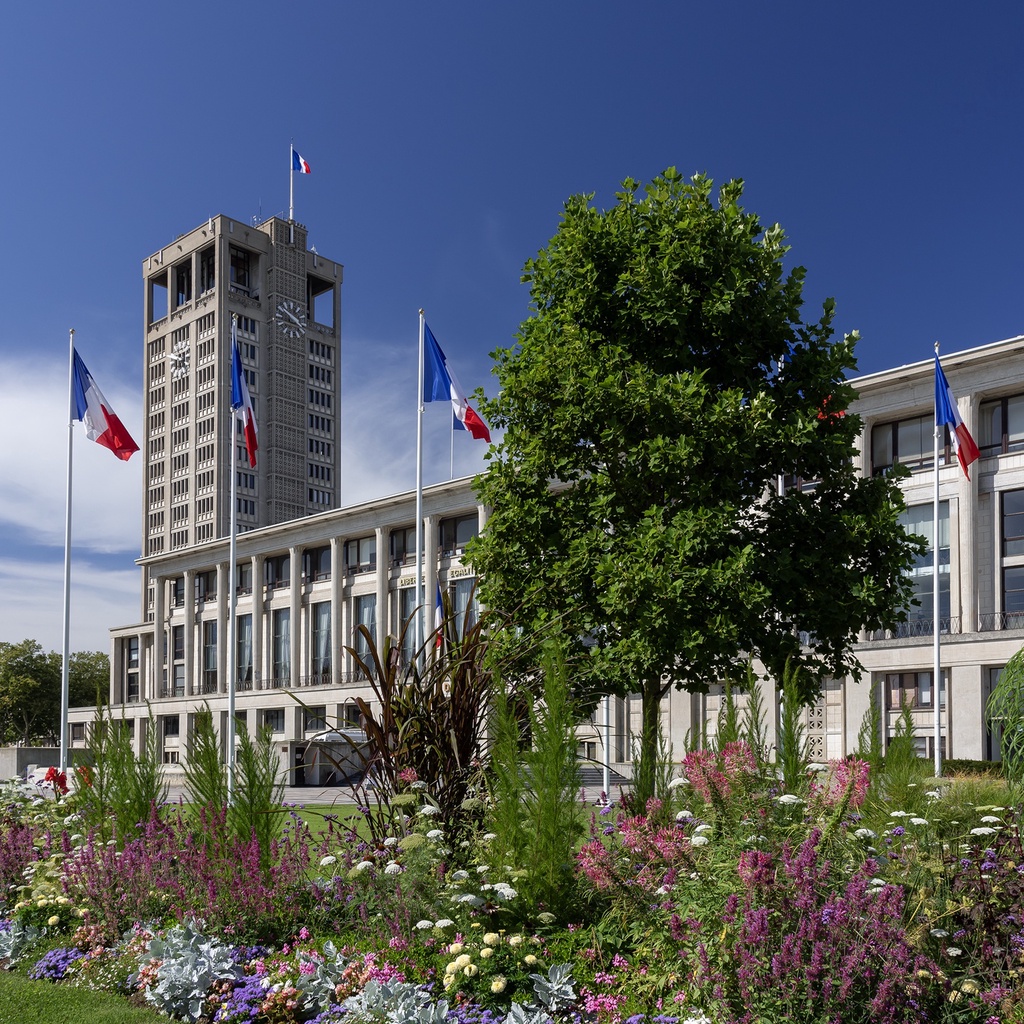
Le Havre
18 attractionsFrance
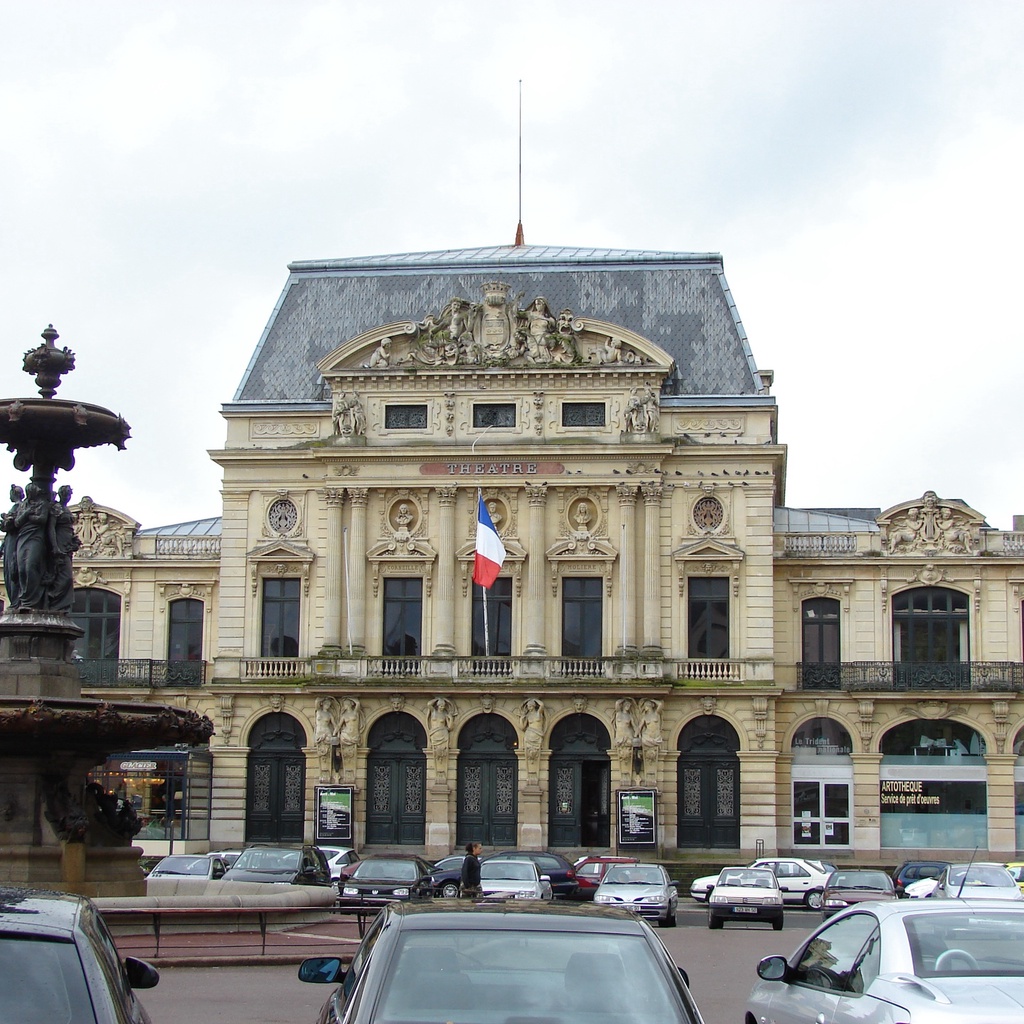
Cherbourg-en-Cotentin
16 attractionsFrance
Caen
15 attractionsFrance
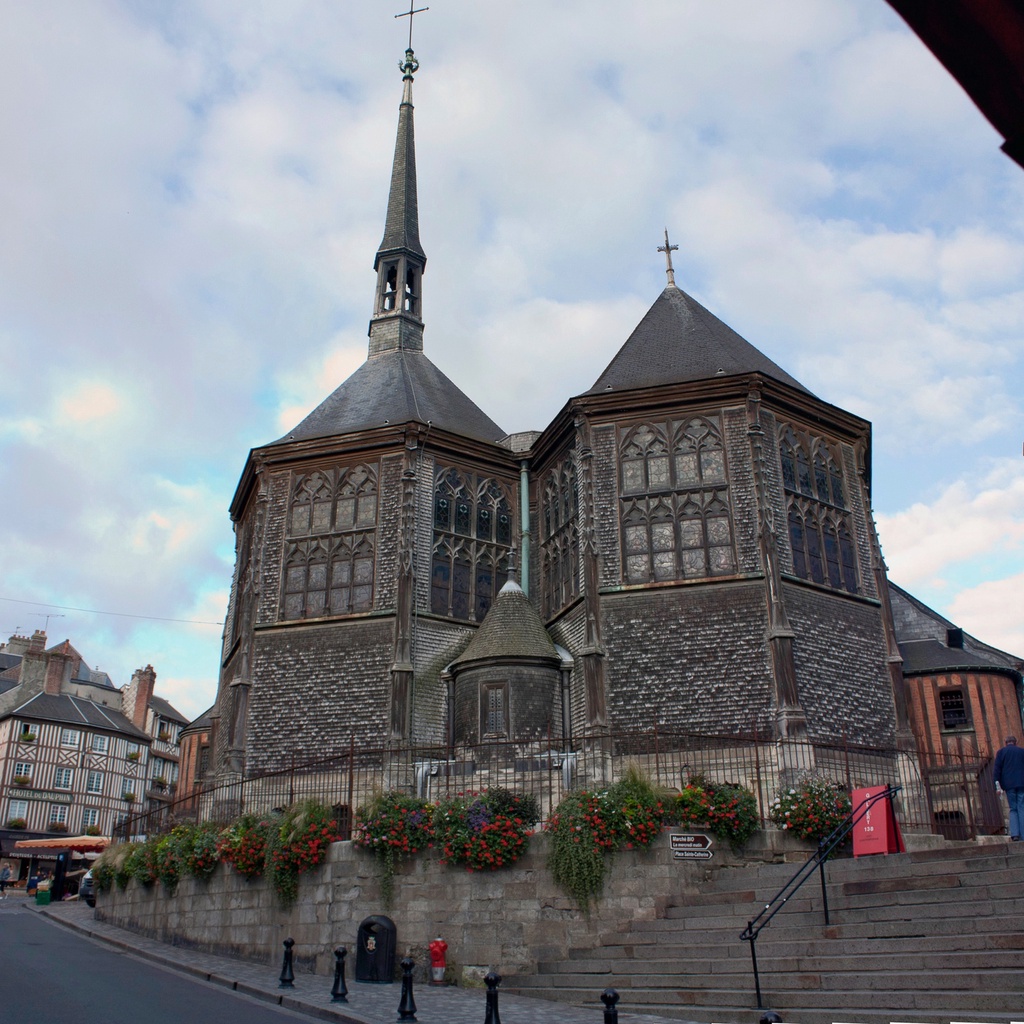
Honfleur
13 attractionsFrance
Ready to Plan Your Trip?
Start exploring curated itineraries with complete cost breakdowns