
Discover France
From the Eiffel Tower to sun-kissed Provence, explore the world's most visited country
About France
A Timeless Destination
France captivates travelers with an unmatched blend of art, culture, gastronomy, and natural beauty. As the world's most visited country — welcoming over 100 million visitors each year — it offers everything from the romantic boulevards of Paris to the lavender fields of Provence, the sun-drenched Côte d'Azur, and the snow-capped peaks of the Alps.
Rich Heritage, Living Culture
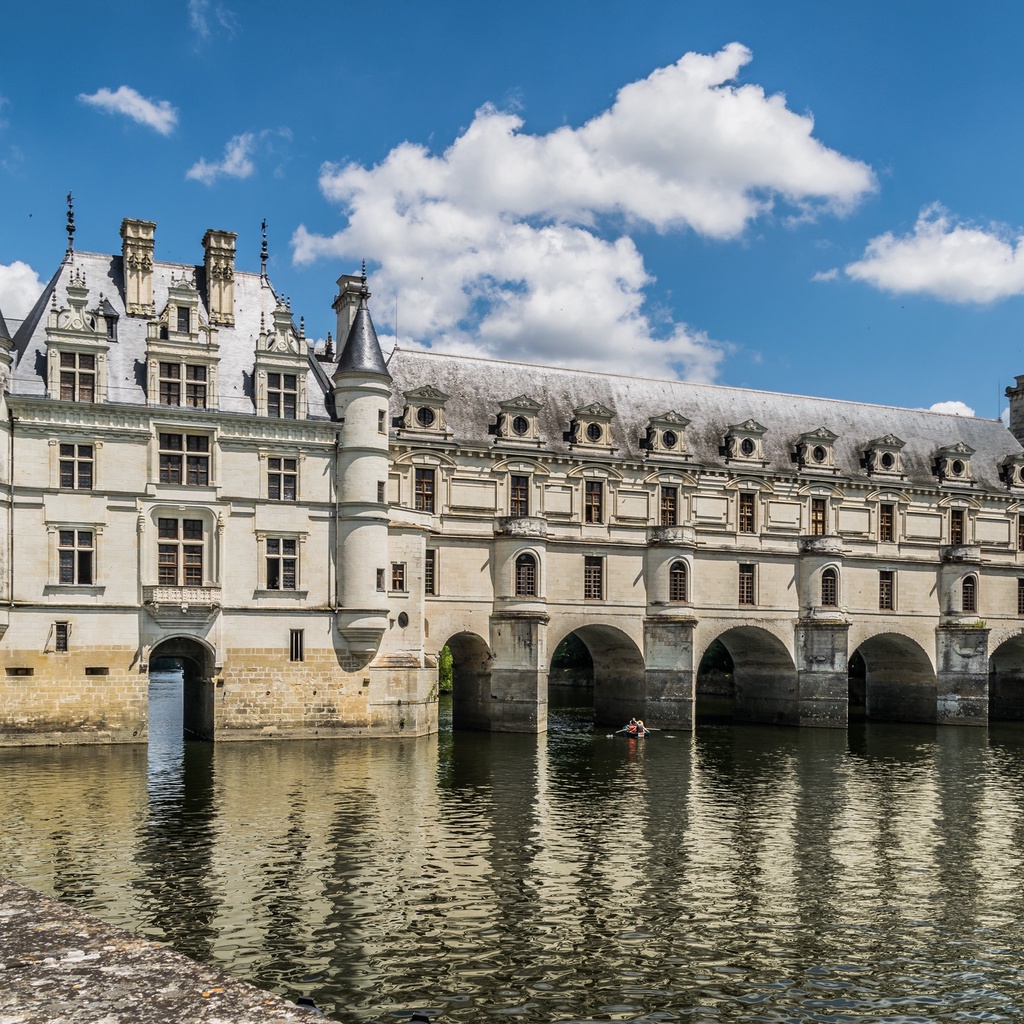
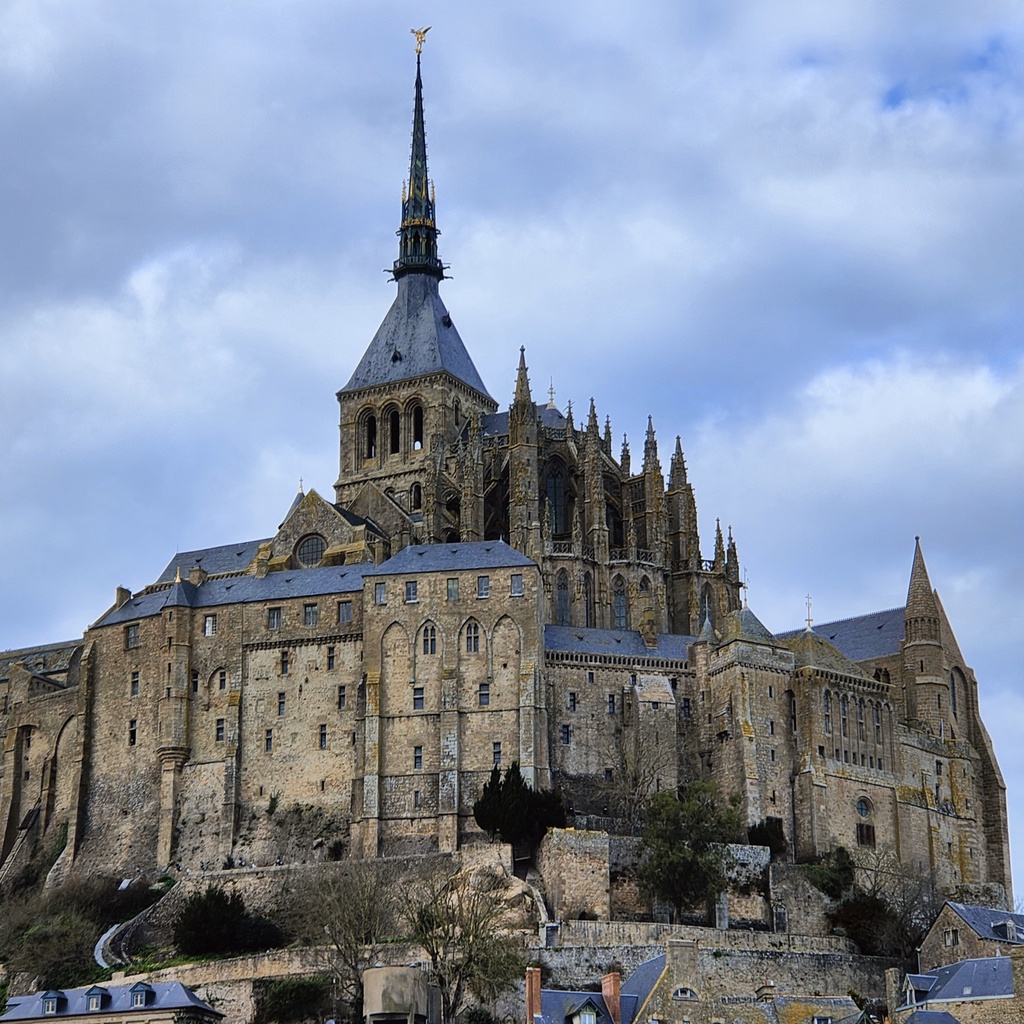
With 49 UNESCO World Heritage sites, France is home to some of humanity's greatest treasures. Explore the medieval abbey of Mont Saint-Michel, the fairy-tale châteaux of the Loire Valley, or the Roman amphitheatre in Nîmes. Beyond its monuments, France thrives with vibrant local markets, world-renowned wine regions, and a café culture that invites you to slow down and savor every moment.
A Land of Contrasts
Each of France's regions has its own distinct character. Brittany's rugged Atlantic coast contrasts with the glamorous beaches of Saint-Tropez. The alpine villages of Savoie feel worlds apart from the sunflower-dotted plains of the southwest. Whether you seek adventure in the Pyrenees, relaxation in Corsica, or culture in Bordeaux, France rewards every kind of traveler.
Why Visit France
France offers an unmatched blend of history, cuisine, and natural beauty that has made it the world's top travel destination.
World-Class Cuisine
From Michelin-starred restaurants to street crêpes, bustling markets to village bakeries — every region has its specialties: bouillabaisse in Marseille, crêpes in Brittany, cassoulet in Toulouse.
Iconic Landmarks
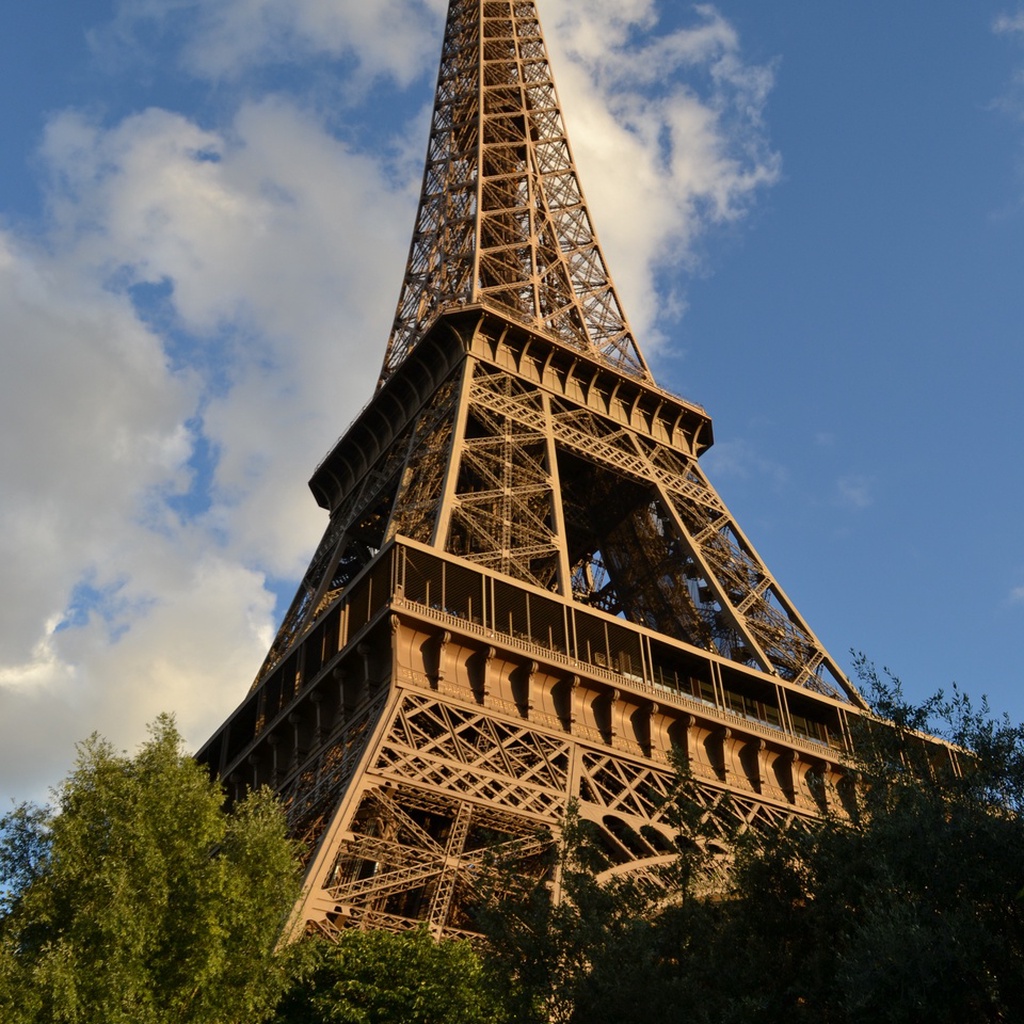
The Eiffel Tower, Mont Saint-Michel, the Palace of Versailles, the Roman Pont du Gard — France is home to some of the world's most recognizable and historically significant monuments.
Stunning Natural Diversity
Alpine peaks, Mediterranean beaches, Atlantic coastline, lavender fields, and volcanic landscapes. France's geography is remarkably varied for a single country.
Legendary Wine Regions
Bordeaux, Burgundy, Champagne, the Rhône Valley, and Alsace produce some of the finest wines on Earth. Wine tours and tastings are a highlight for visitors.
Art and Museum Heritage
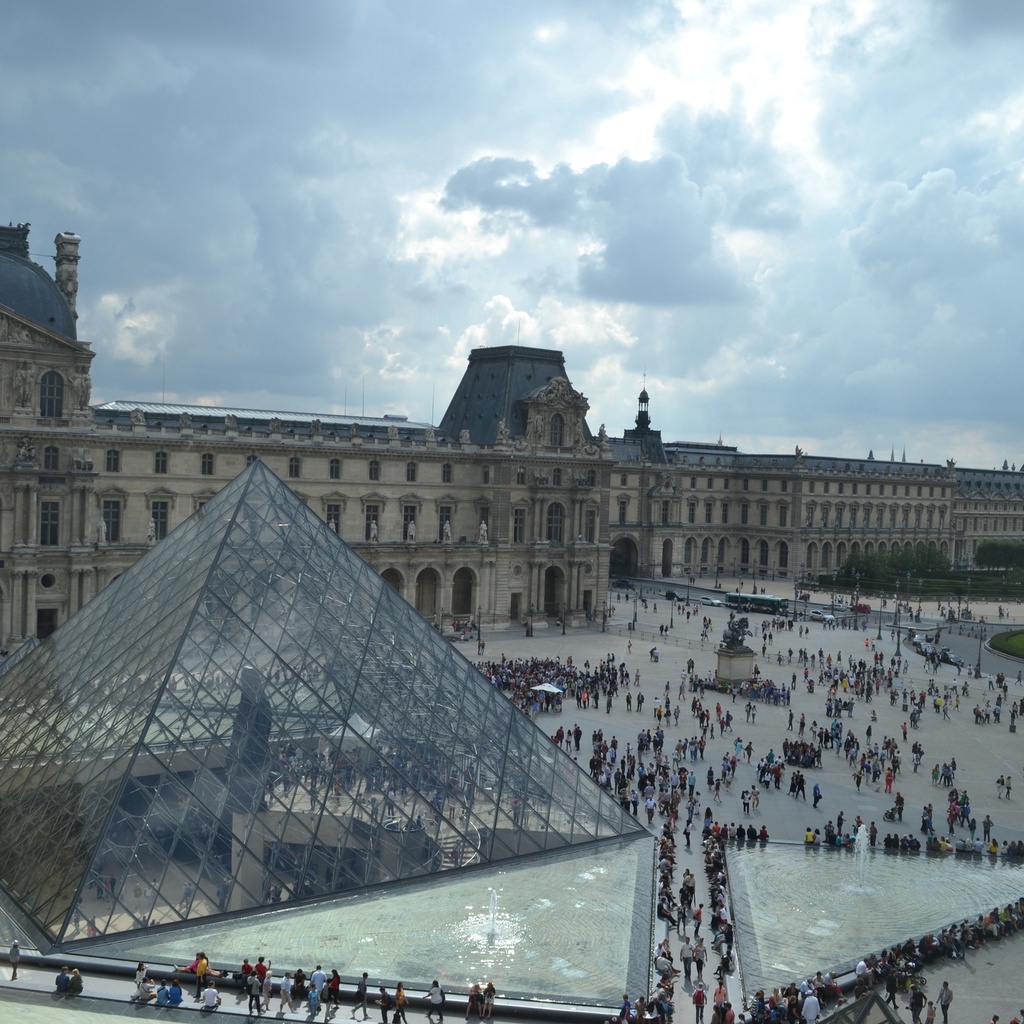
Home to the Louvre, Musée d'Orsay, and Centre Pompidou. France has shaped Western art history from the Impressionists to contemporary movements.
Charming Villages
Beyond the famous cities, France is dotted with picture-perfect villages — Gordes, Eguisheim, Saint-Cirq-Lapopie — that embody the art de vivre.
Interactive Map of France
Click on a region to explore routes and destinations
Legend
Quick Facts
Travel Statistics
Emergency Numbers
Visa Information
EU/Schengen citizens: no visa required. US, UK, Canada, Australia: visa-free up to 90 days. ETIAS authorization expected from mid-2026.
Climate
Temperate with regional variations: Mediterranean in the south, oceanic in the northwest, continental in the east. Temperatures range from 0–7°C in winter to 16–25°C in summer.
Travel Statistics
France Travel Guide
Best Time to Visit
Spring and autumn offer the best weather for most regions, with pleasant temperatures and fewer crowds than summer.
Spring (March – May)
Mild temperatures, blooming gardens, and fewer tourists. Cherry blossoms in Paris, lavender beginning to bloom in the south.
- •Cherry blossoms along the Seine in Paris
- •Loire Valley gardens at their best
- •Lower prices and shorter queues at major sites
Summer (June – August)
Peak tourist season with warm weather across the country. Ideal for beaches, festivals, and outdoor activities, though expect higher prices and larger crowds.
- •Bastille Day celebrations on July 14
- •Lavender in full bloom in Provence (June–July)
- •Beach season on the Côte d'Azur and Atlantic coast
- •Music and cultural festivals nationwide
Autumn (September – November)
Harvest season brings stunning foliage, wine festivals, and mild temperatures. Crowds thin out after September while the weather remains pleasant.
- •Grape harvest and wine festivals in Bordeaux and Burgundy
- •Golden autumn foliage in Alsace and the Dordogne
- •Fewer tourists and moderate temperatures
Winter (December – February)
Cold but magical. Paris sparkles with holiday lights, ski resorts open in the Alps and Pyrenees, and cultural life flourishes in cities.
- •Christmas markets in Strasbourg and Colmar
- •Skiing in the French Alps (Chamonix, Val d'Isère)
- •Museum visits without the summer crowds
- •Festive illuminations across Paris
Getting Around
France has one of Europe's best transport networks, making it easy to explore by train, car, or plane.
Train (TGV / SNCF)
High-speed TGV connects Paris to Lyon (2h), Marseille (3h), Bordeaux (2h), and Strasbourg (1h50). Regional TER trains serve smaller cities and towns.
Book TGV tickets 3 months ahead on SNCF Connect for the cheapest fares.
Car Rental
Ideal for exploring wine regions, countryside, and villages not well served by trains. Excellent motorway (autoroute) network.
Tolls add up on autoroutes. Book automatic transmission early as most French cars are manual.
Domestic Flights
Useful for reaching Nice, Corsica, or Toulouse from Paris. Flights take 1–2 hours.
Compare with TGV — trains are often faster door-to-door for Lyon and Bordeaux.
Bus (FlixBus / BlaBlaCar)
Budget-friendly option connecting most French cities. Slower than trains but significantly cheaper.
Book early for best prices. Buses often depart from city outskirts.
Metro & Urban Transit
Paris has an extensive metro (16 lines) plus RER trains. Lyon, Marseille, and Toulouse also have metro or tram systems.
In Paris, use a Navigo Easy card or contactless payment at turnstiles.
Regions at a Glance
France's regions each have their own distinct character, cuisine, and attractions — from Alpine peaks to Mediterranean shores.
Practical Essentials
Tipping
Service charge is included in all restaurant bills by law. Rounding up or leaving 5–10% for exceptional service is appreciated but never obligatory.
Language
Basic French goes a long way. Always greet with 'Bonjour' before asking anything. English is widely spoken in Paris and tourist areas, less so in rural regions.
Safety
Generally very safe. Be vigilant against pickpockets at major Paris sites (Eiffel Tower, Louvre, metro) and on crowded public transport.
Drinking Water
Tap water is safe and free throughout France. Ask for 'une carafe d'eau' in restaurants for complimentary tap water.
Customs & Etiquette
- •Always say 'Bonjour' when entering and 'Au revoir' when leaving a shop
- •Lunch is 12:00–14:00, dinner from 19:30 — many restaurants don't serve outside these hours
- •Many shops close on Sundays and during August
- •A light kiss on both cheeks (la bise) is common among acquaintances
- •Dress neatly for restaurants — casual elegance is the norm
Most Popular France Routes This Season
Explore a city in one day
- Step-by-step walking route through the city
- Transport options with travel times and fares
- Entrance fees and opening hours for every stop
- Total cost calculated based on your preferences
Day Routes
View all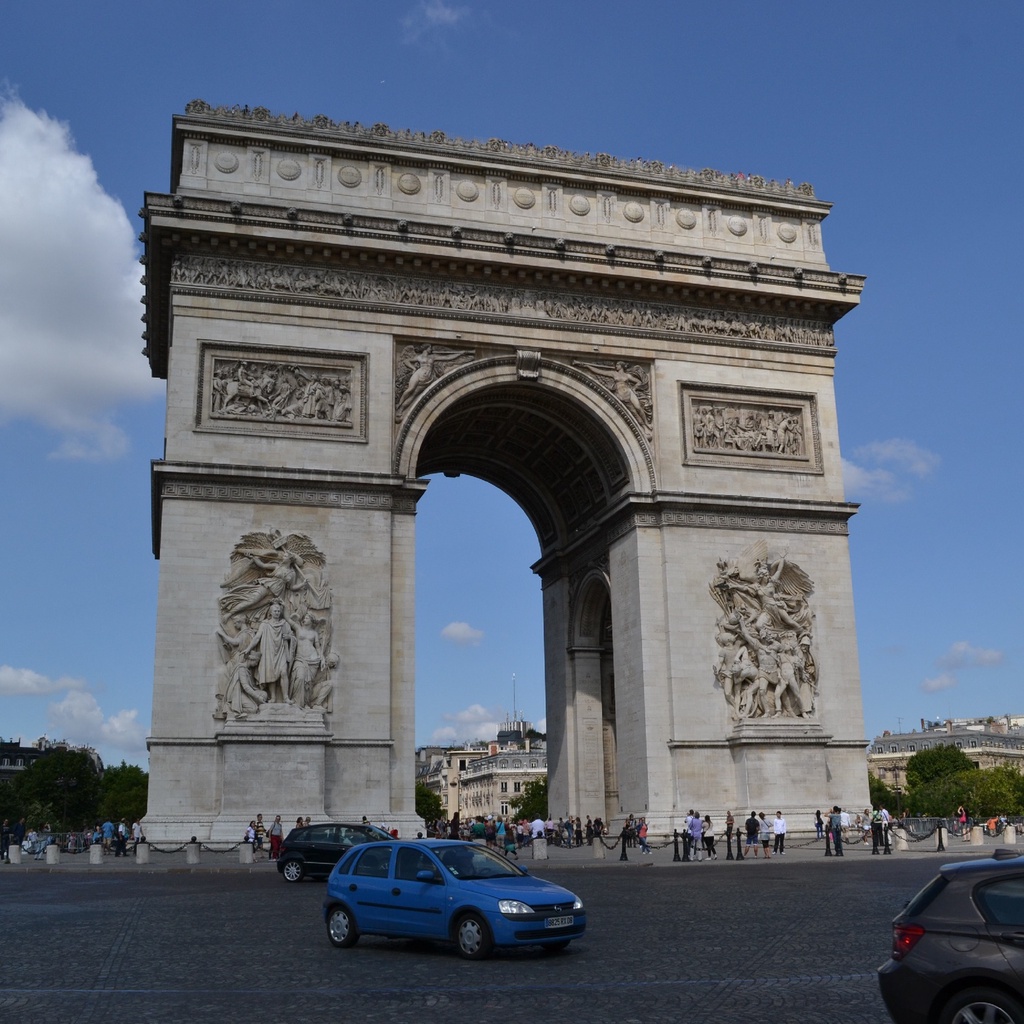
Must See of Paris
Paris
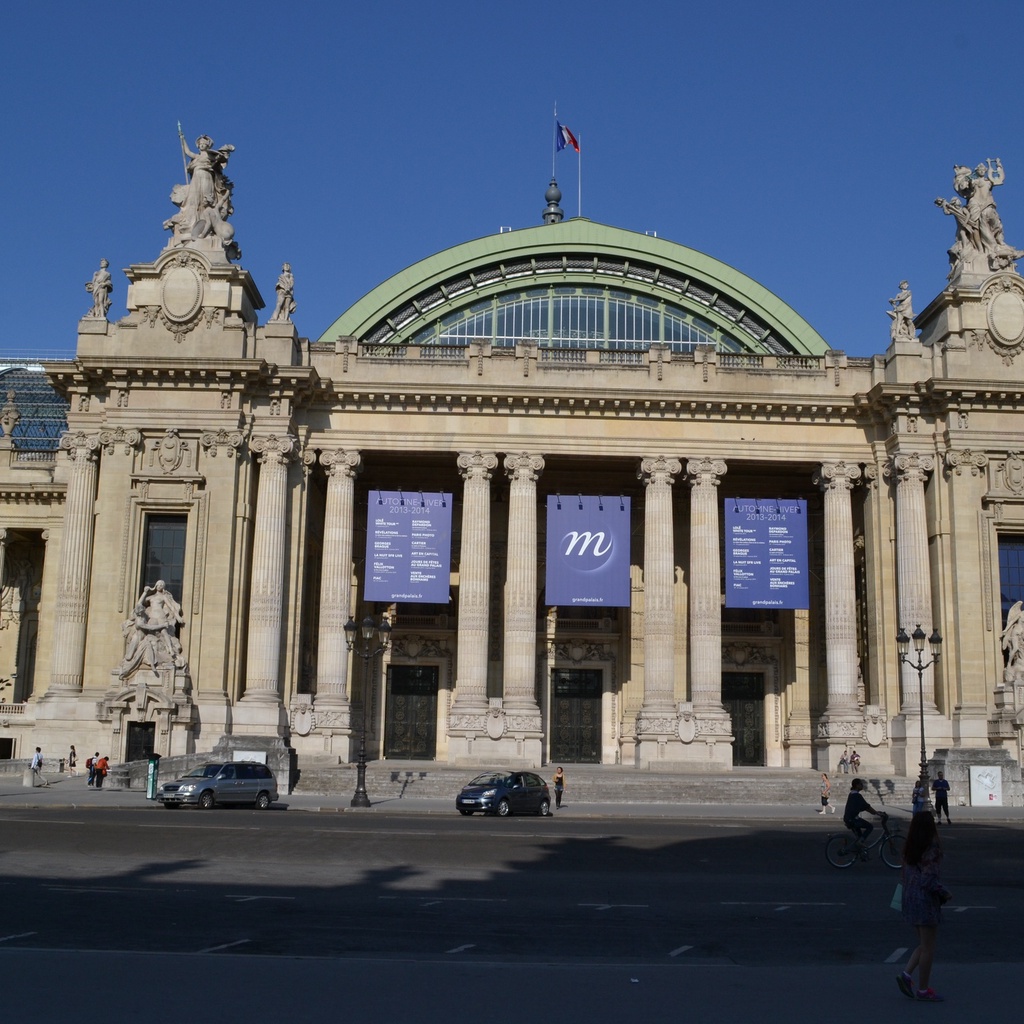
The Arc de Triomphe, Champs-Élysées and art museums
Paris
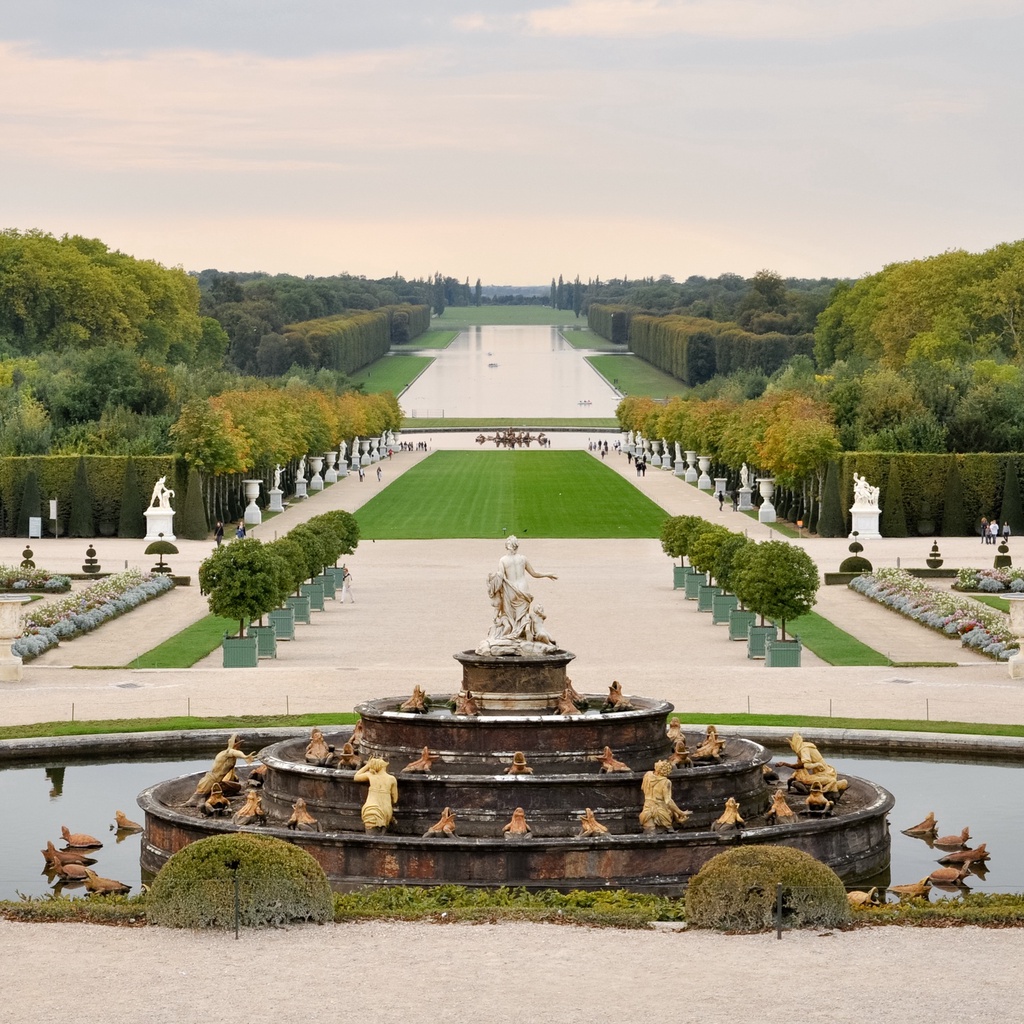
Versailles in One Day
Versailles
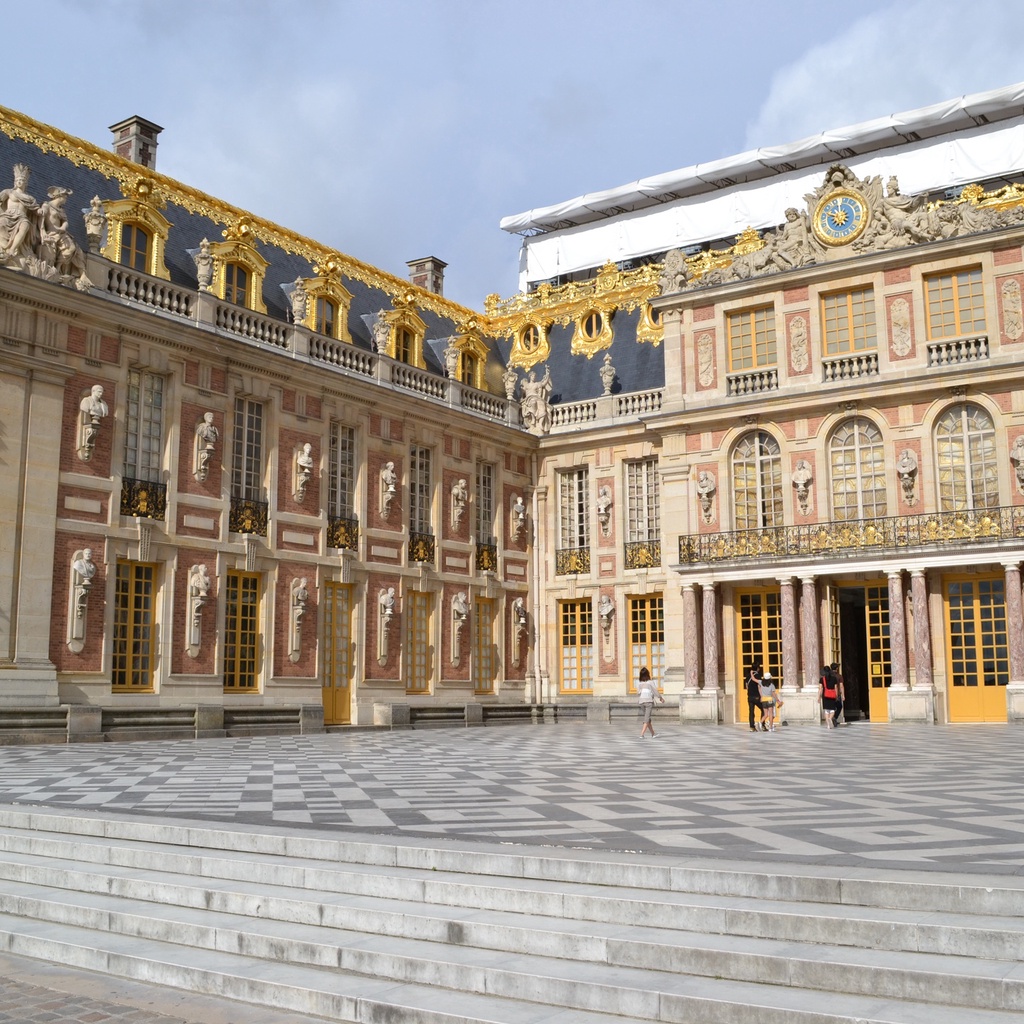
Versailles: Palaces and Parks
Versailles
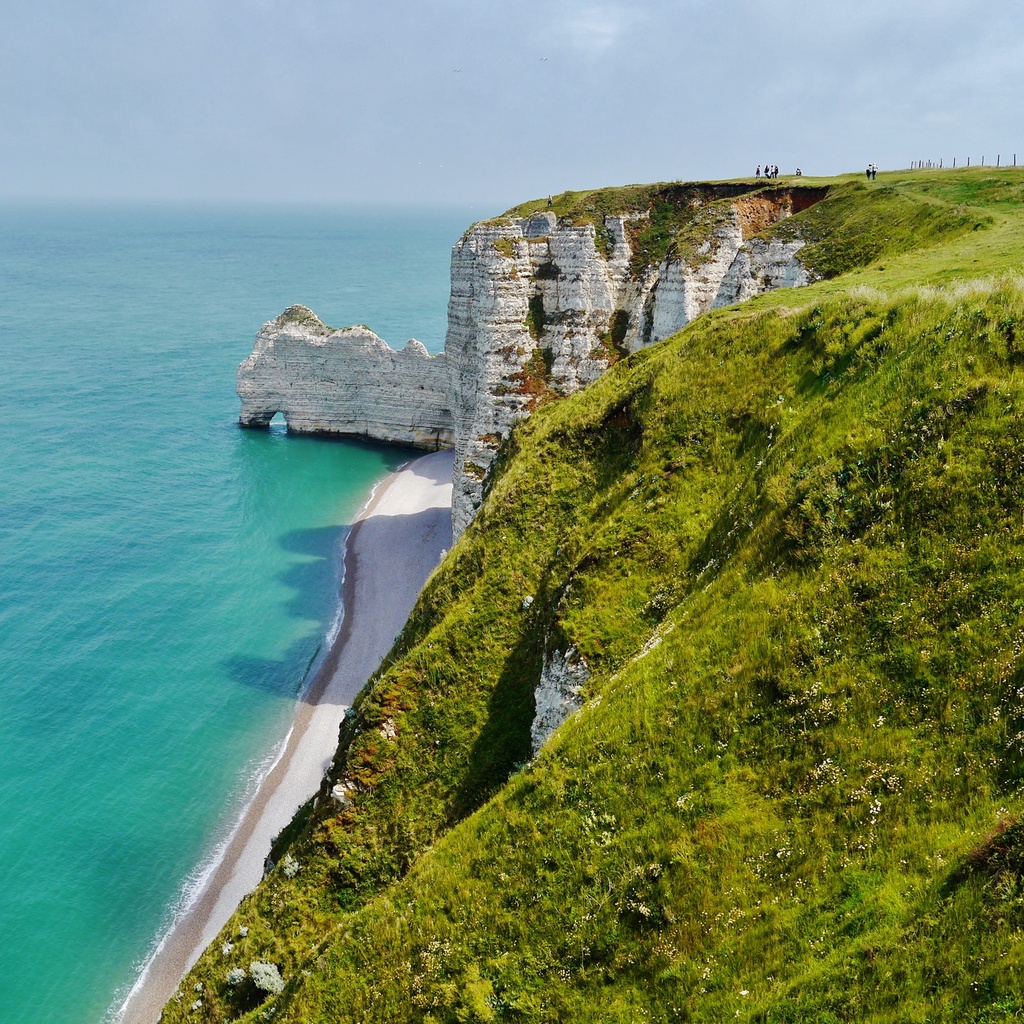
Best of Étretat in One Day
Étretat
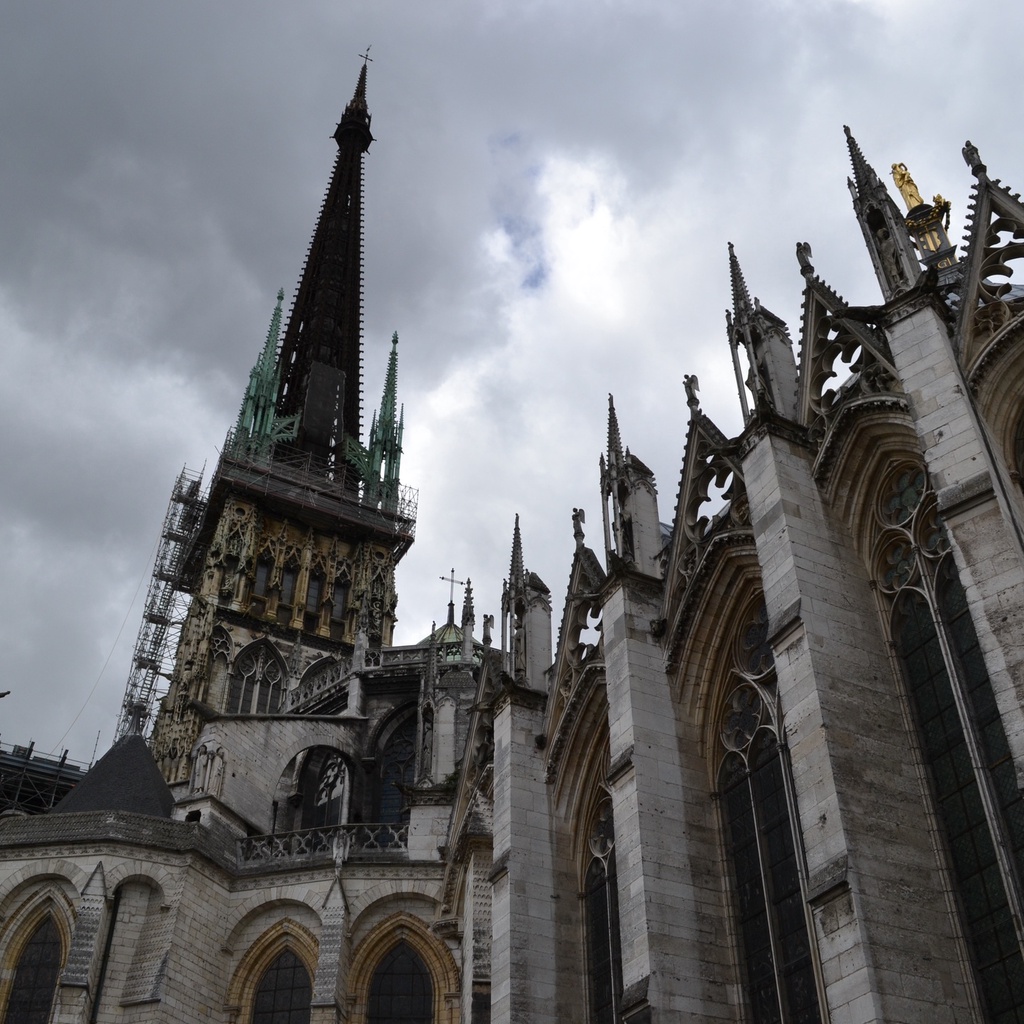
Medieval Rouen walking tour
Rouen
Quick Facts
Regions of France
Explore diverse regions and landscapes
France Travel Cost Guide
Plan your budget with our transparent pricing breakdowns
About Cost Estimates
Prices shown are average estimates to help you plan your budget. Actual costs may vary.
Budget
€54
per day
Mid-Range
€96
per day
Luxury
€377
per day
Prices are estimates and may vary by season and availability
Attractions in France
Frequently Asked Questions About France
What is the best time to visit France?
Do I need a visa to visit France?
Is it easy to get around France without a car?
Do people in France speak English?
How expensive is France for tourists?
What should I not miss on a first trip to France?
Must-Visit Cities in France
Start your journey from these iconic destinations
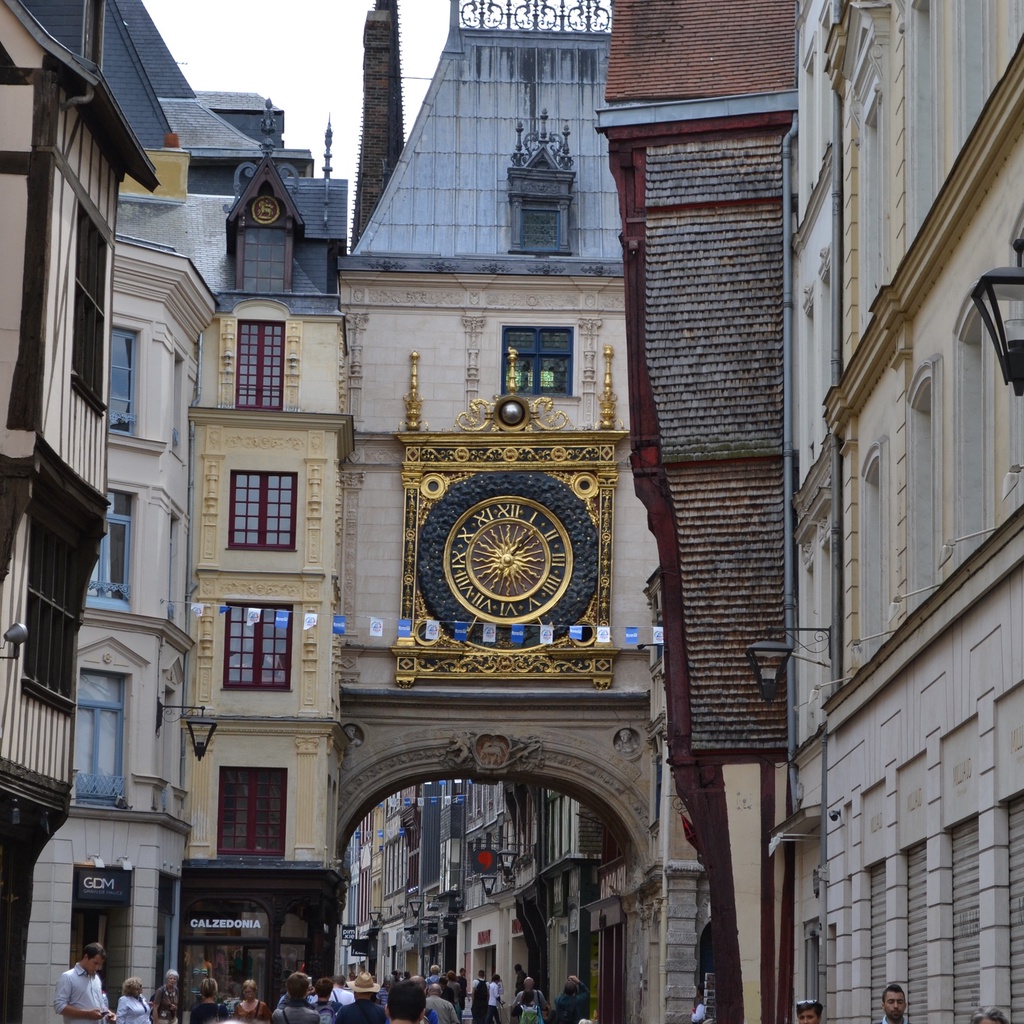
Rouen
25 attractionsFrance
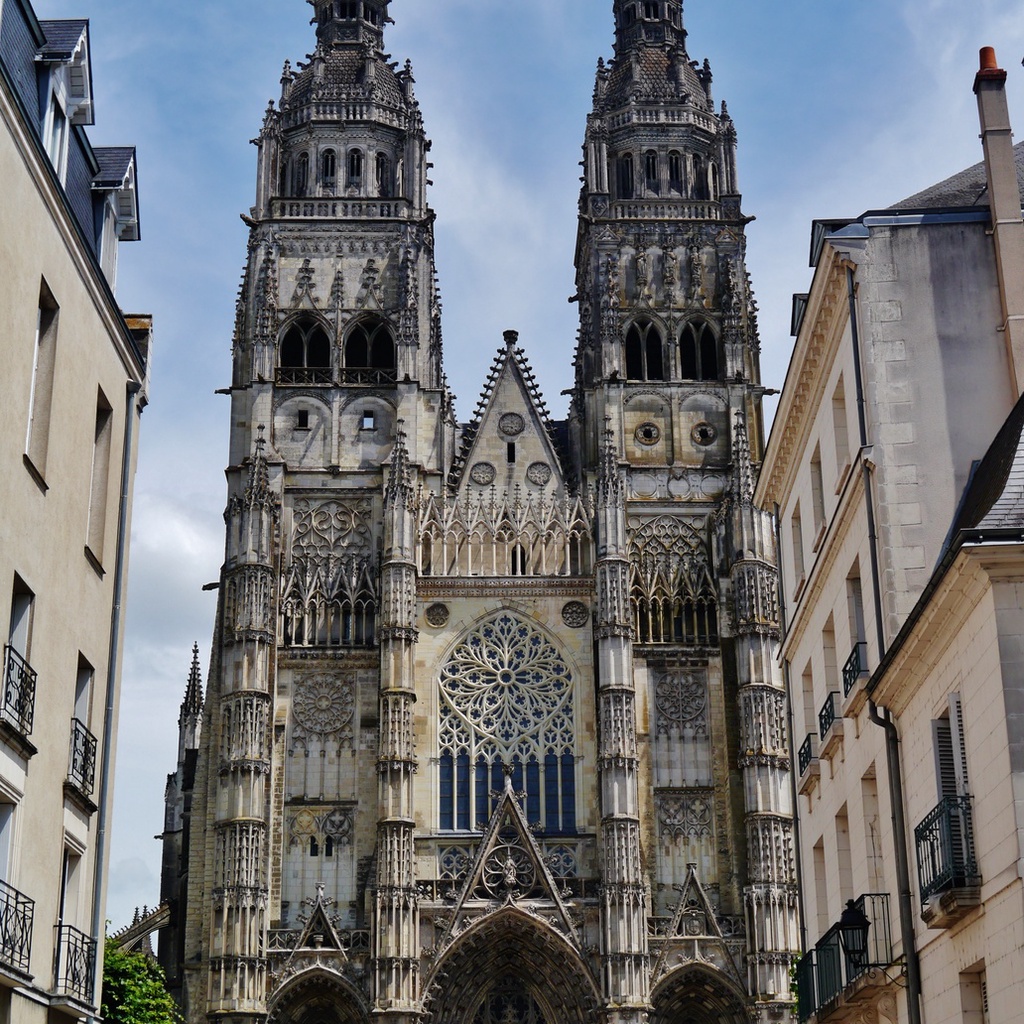
Tours
19 attractionsFrance
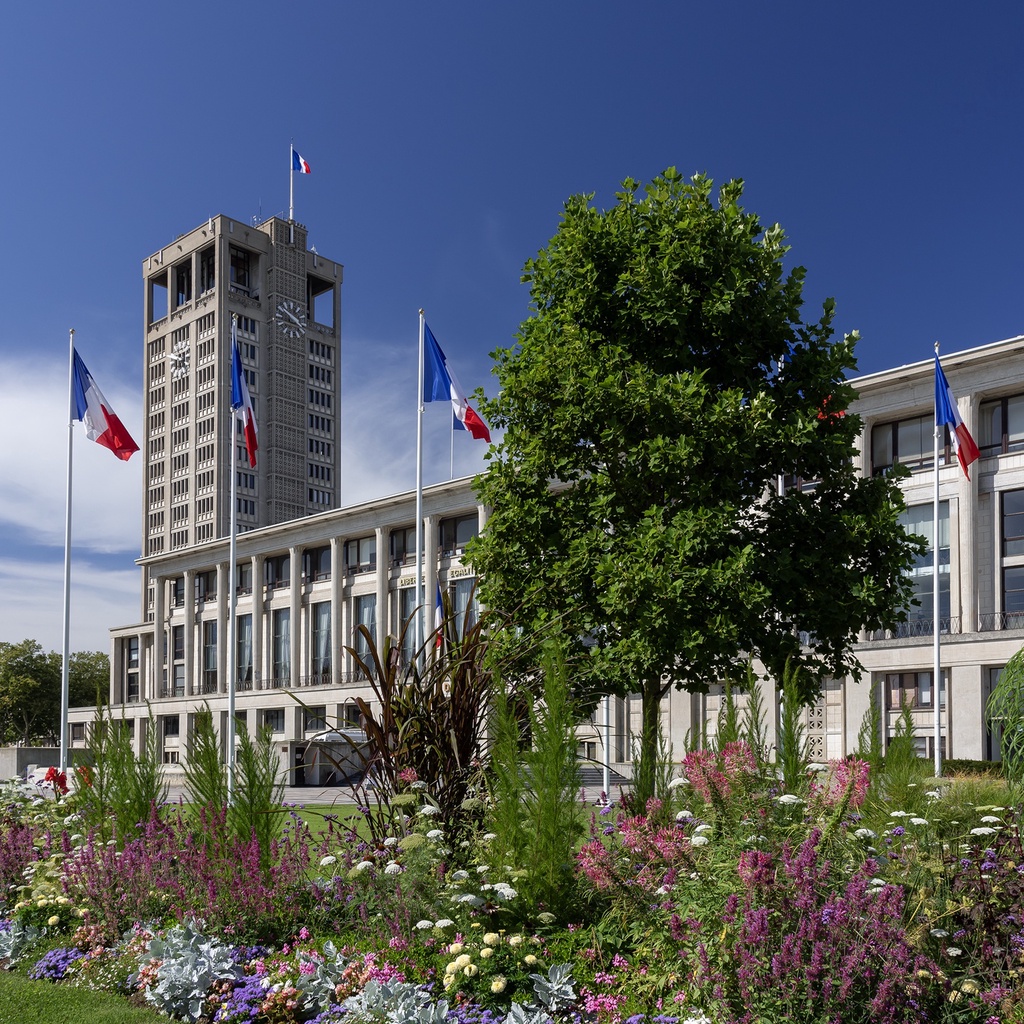
Le Havre
18 attractionsFrance
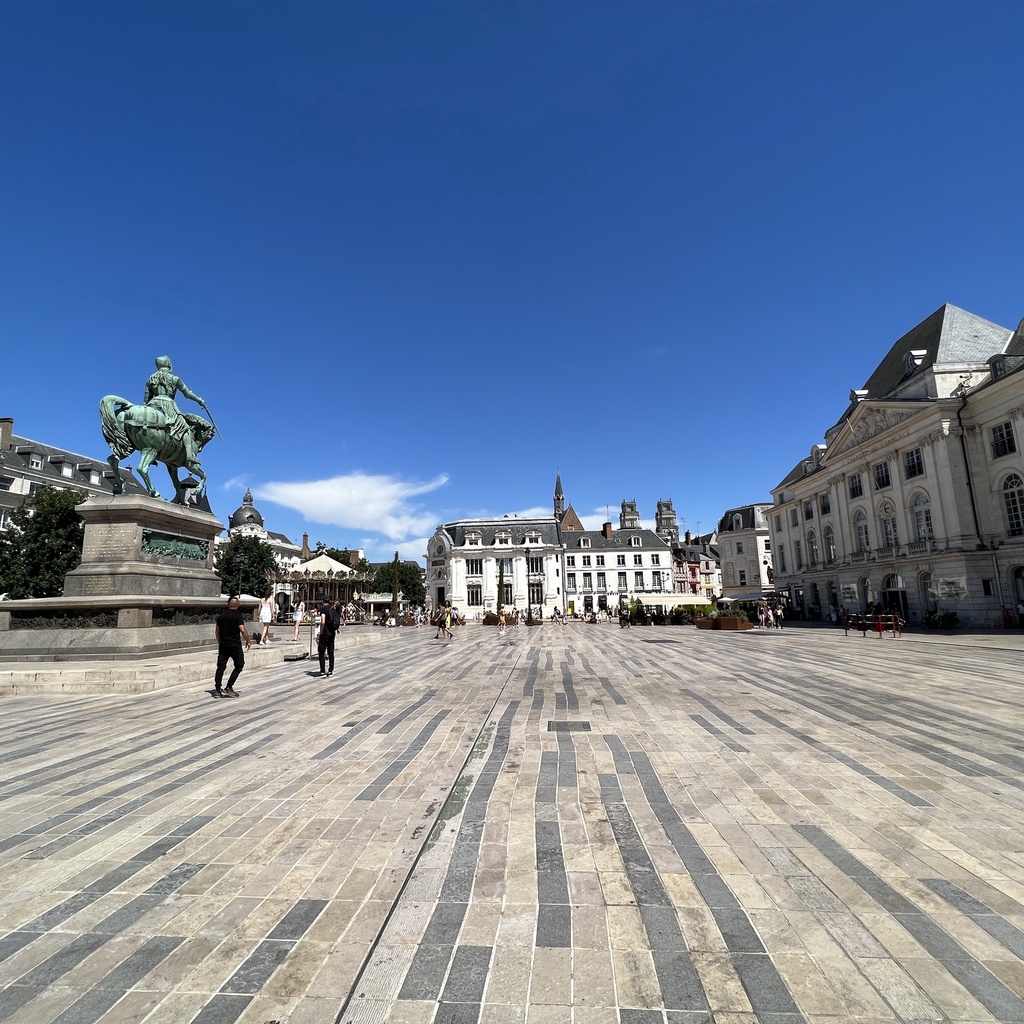
Orléans
16 attractionsFrance
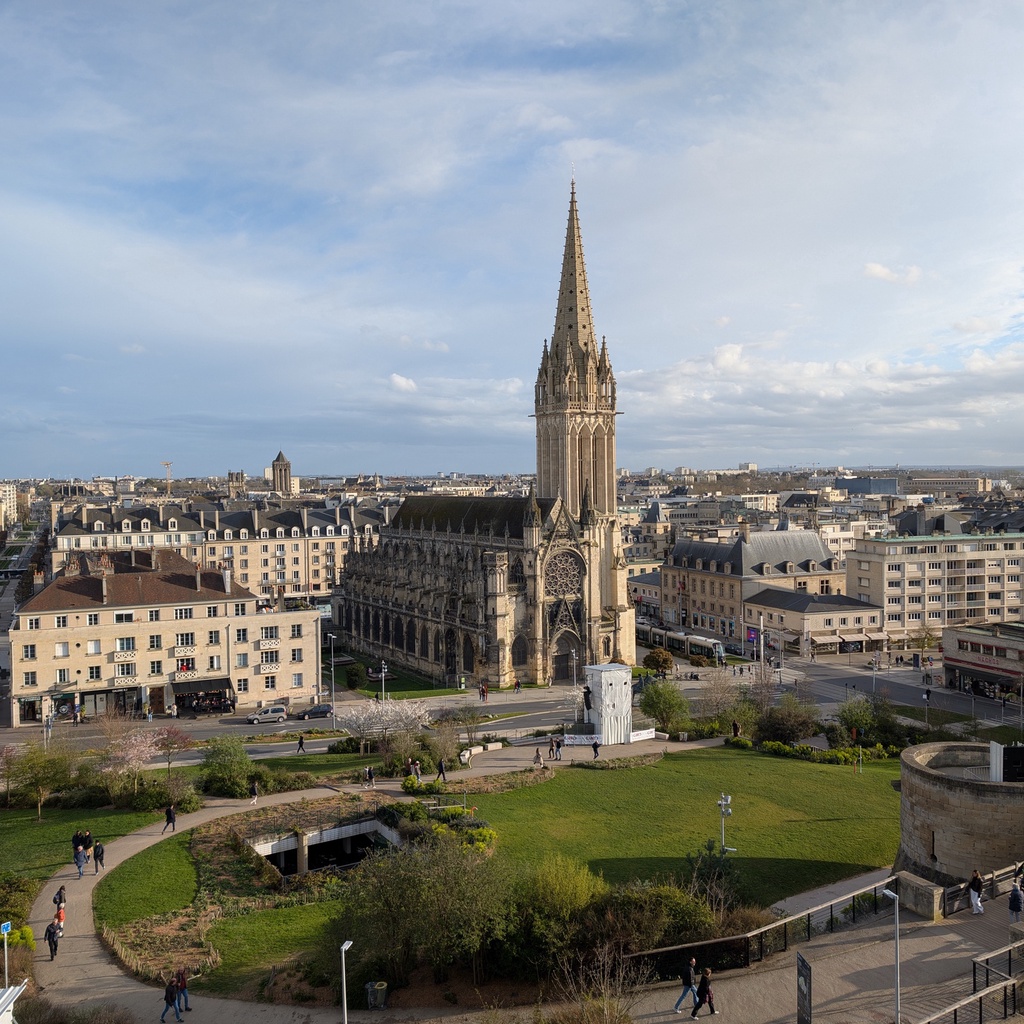
Caen
15 attractionsFrance
Ready to Plan Your Trip?
Start exploring curated itineraries with complete cost breakdowns