
Orléans — City of Joan of Arc
Where history lives in every cobblestone of the Loire Valley's eastern gateway
Plan your trip
Orléans: main attractions
8 attractions · 8h 46min · transit route
Tickets ~€8
Step-by-step route with transport options and cost breakdown
About Orléans
A Living Monument to Joan of Arc
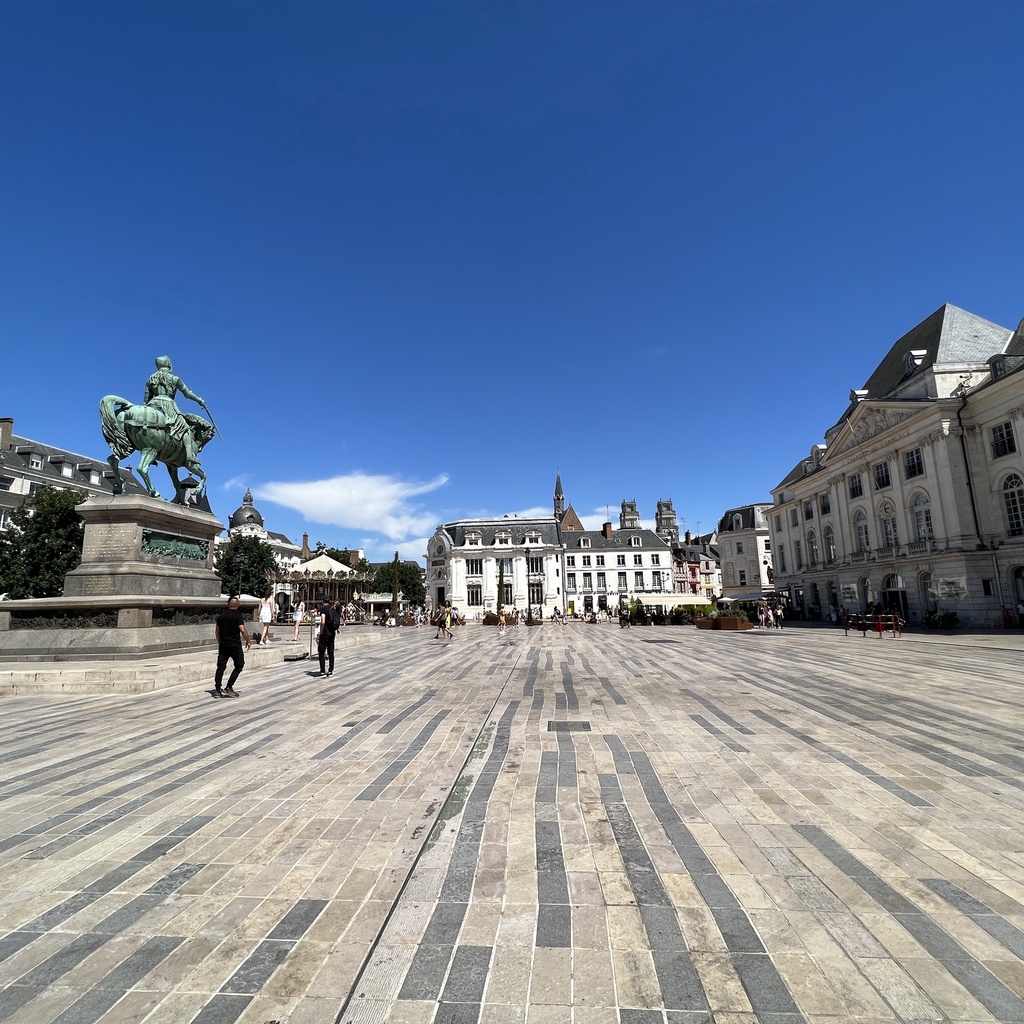
Orléans is inseparable from the story of Joan of Arc, who lifted the English siege on 8 May 1429 and changed the course of French history. Golden discs embedded in the pavement trace her exact route through the city, from the medieval Rue de Bourgogne to the Cathédrale Sainte-Croix where she prayed after victory. The Maison de Jeanne d'Arc recreates the house where she stayed, and each May the Fêtes Johanniques — one of France's oldest continuous festivals, dating to 1430 — bring the medieval era back to life with processions, jousting, and a solemn Mass at the cathedral.
Gothic Grandeur and Renaissance Elegance
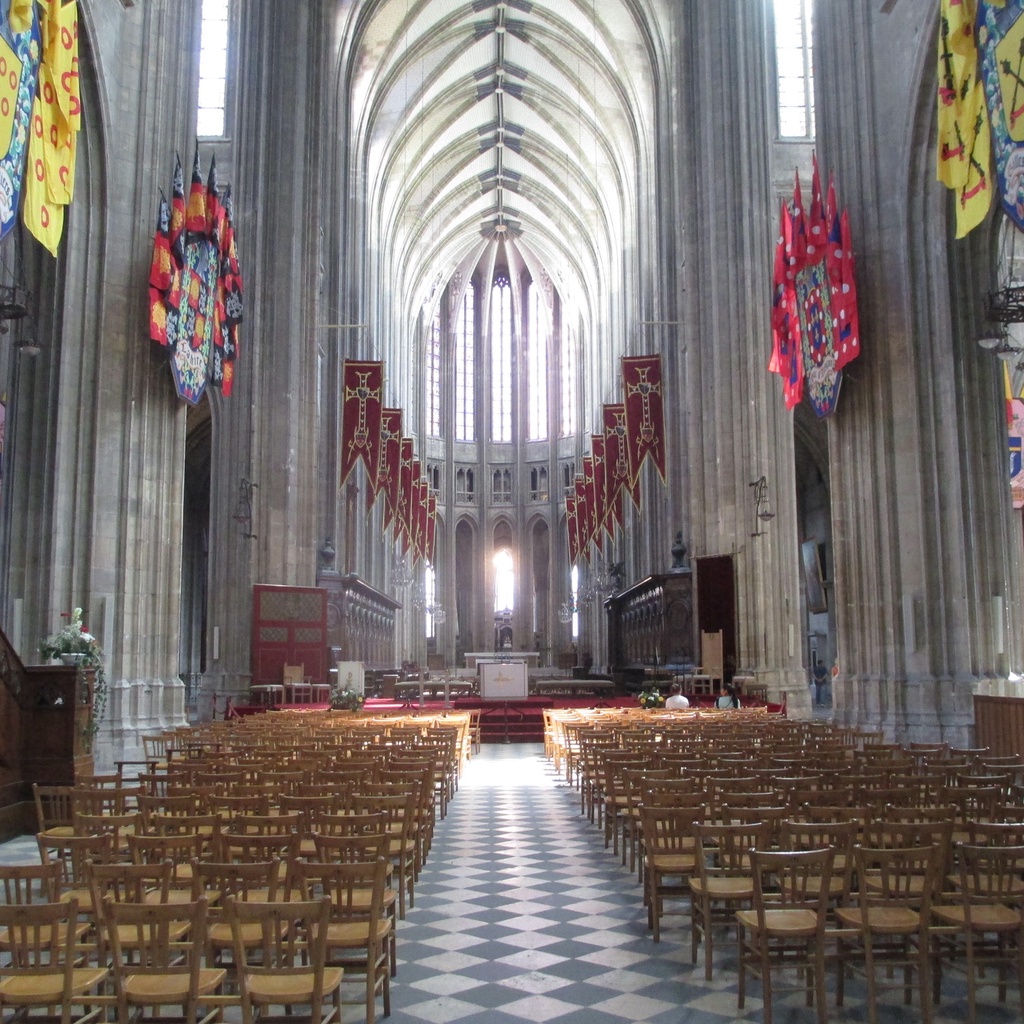
The Cathédrale Sainte-Croix, built over nearly six centuries from 1287 to 1829, dominates the skyline with its twin towers and rose windows commissioned by Louis XIV. Ten stained-glass windows depict Joan's ten days in the city. Nearby, the Hôtel Groslot is an ornate Renaissance mansion where King Francis II died in 1560, while half-timbered houses line the pedestrianized streets of the old quarter. The Collégiale Saint-Aignan preserves rare 12th-century frescoes in its Romanesque crypt.
Gateway to Loire Valley Châteaux
As the closest major Loire city to Paris — just over one hour by train — Orléans is the ideal base for exploring the region's legendary châteaux. Chambord, the grandest of them all, is 45 minutes away. Cheverny and Blois are equally accessible. The Loire à Vélo cycling route passes directly through the city, connecting cyclists to a network of riverside paths stretching across the valley.
Art, Food, and Authentic Loire Living
The Musée des Beaux-Arts holds an unexpectedly rich collection including works by Velázquez, Picasso, and Rodin, plus France's second-largest collection of pastels after the Louvre. Orléans' culinary identity is equally distinctive: Martin-Pouret produces artisanal vinegar using the centuries-old Orléans method, cotignac quince jelly has been made here since the 14th century, and local AOC wines from surrounding vineyards pair perfectly with rillons and andouille de Jargeau.
A Living Monument to Joan of Arc
Orléans is inseparable from the story of Joan of Arc, who lifted the English siege on 8 May 1429 and changed the course of French history. Golden discs embedded in the pavement trace her exact route through the city, from the medieval Rue de Bourgogne to the Cathédrale Sainte-Croix where she prayed after victory. The Maison de Jeanne d'Arc recreates the house where she stayed, and each May the Fêtes Johanniques — one of France's oldest continuous festivals, dating to 1430 — bring the medieval era back to life with processions, jousting, and a solemn Mass at the cathedral.
Highlights of Orléans
- Walk Joan of Arc's path following golden paving discs through medieval streets
- Marvel at Cathédrale Sainte-Croix, built over six centuries with Joan of Arc stained glass
- Discover France's second-largest pastel collection at the Musée des Beaux-Arts
- Taste artisanal Orléans vinegar and cotignac quince jelly — unique local specialties
- Use Orléans as your base for Chambord, Cheverny, and other Loire châteaux
- Cycle the Loire à Vélo route along the last wild major river in France
- Experience the Fêtes Johanniques, one of France's oldest festivals since 1430
Why Visit Orléans
Orléans combines deep historical significance, world-class art, authentic gastronomy, and easy Loire Valley access — all without the crowds and high prices of more famous destinations.
Joan of Arc's City
The most important city in Joan of Arc's story, where she lifted the English siege in 1429. Follow her path through golden paving discs in the streets and experience the nearly 600-year-old Fêtes Johanniques each May.
Eastern Gateway to the Loire Valley
The closest major Loire city to Paris at just one hour by train, and an ideal base for visiting Chambord, Cheverny, and Blois châteaux with fewer crowds.
Unexpected World-Class Art
The Musée des Beaux-Arts houses France's second-largest pastel collection after the Louvre, along with works by Velázquez, Picasso, and Rodin — a treasure most visitors don't expect.
Unique Culinary Heritage
Home to France's last artisanal vinegar producer using the medieval Orléans method, plus cotignac quince jelly, local AOC wines, and Loire Valley specialties found nowhere else.
Authentic and Affordable
Less touristy and more affordable than Tours, Blois, or Amboise, Orléans offers genuine French city life with pedestrianized medieval streets, lively markets, and welcoming local restaurants.
Quick Facts
Travel Statistics
Location & Geography
Travel Statistics
Travel Plans for Orléans
Explore a city in one day
- Step-by-step walking route through the city
- Transport options with travel times and fares
- Entrance fees and opening hours for every stop
- Total cost calculated based on your preferences
Day Routes
Orléans: main attractions
Orléans
Daily Budget in Orléans
Estimated daily costs per person
About Cost Estimates
Prices shown are average estimates to help you plan your budget. Actual costs may vary.
Budget
€51
per day
Mid-Range
€87
per day
Luxury
€280
per day
Prices are estimates and may vary by season and availability
Attractions in Orléans
16 attractions available
Orléans Cathedral (Cathédrale Sainte-Croix)
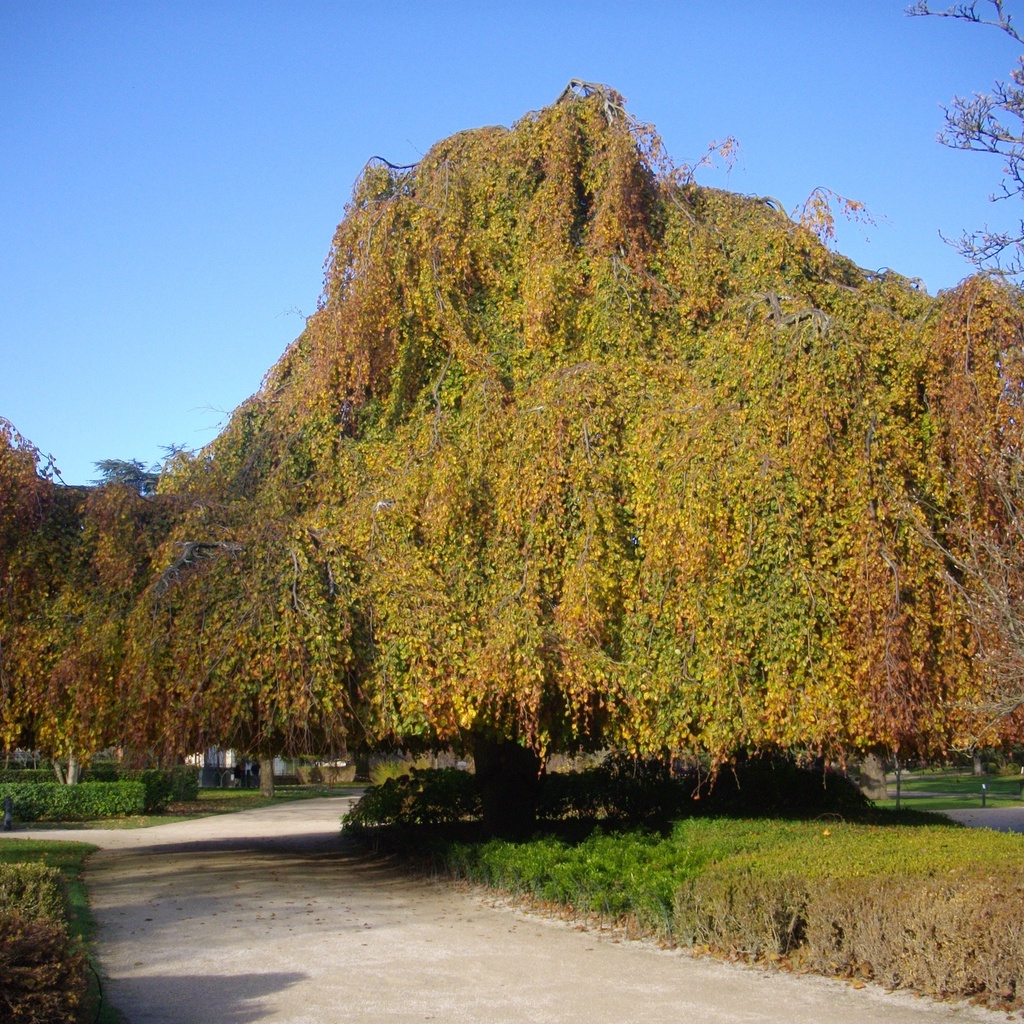
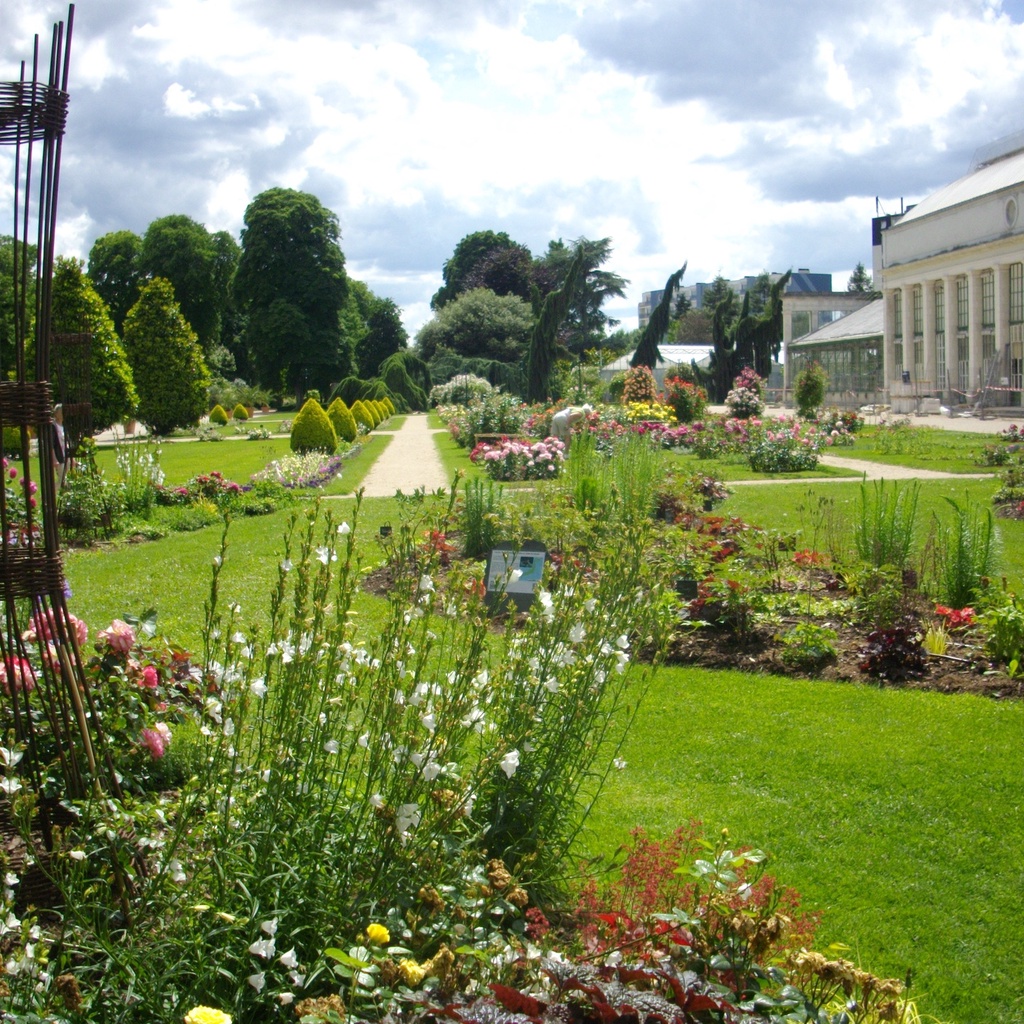
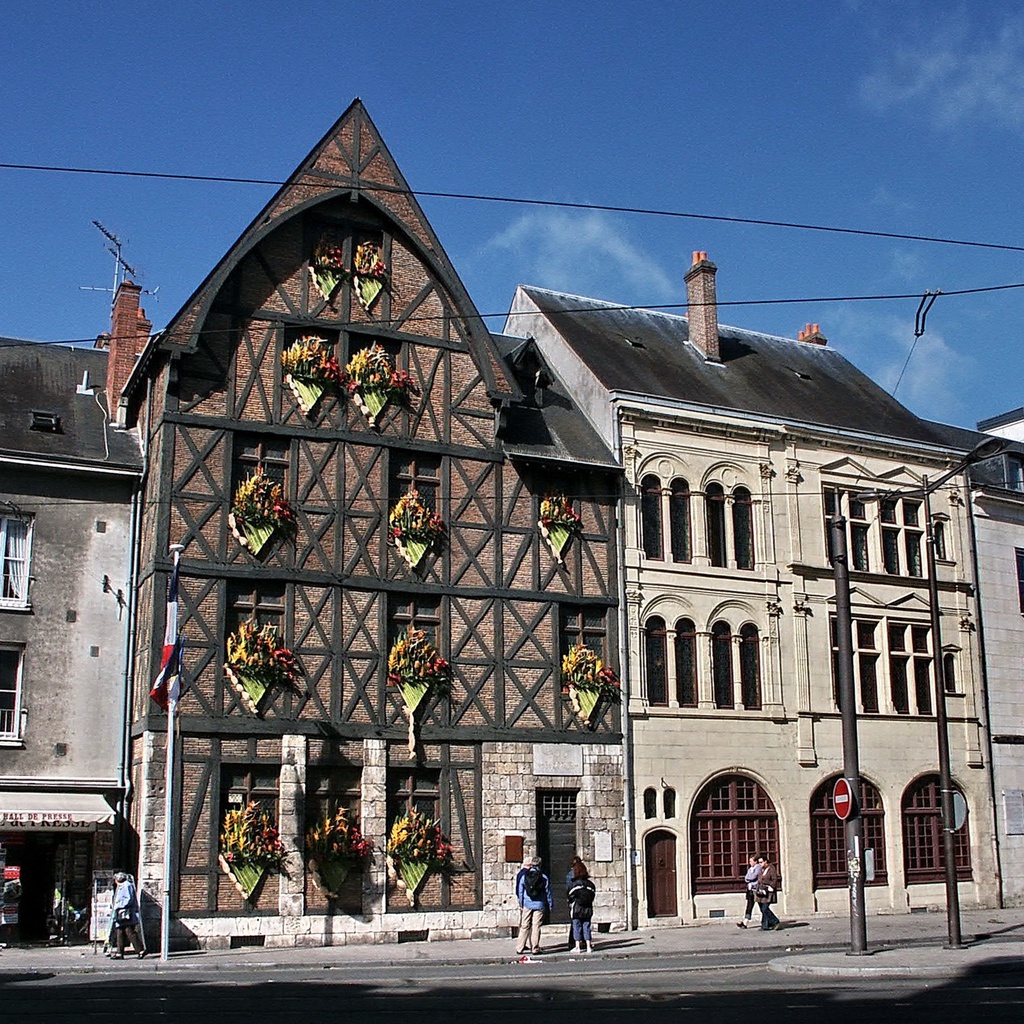
Orléans Cathedral (Cathédrale Sainte-Croix)
Showing 12 of 16 attractions
View All AttractionsQuick Facts
Location & Geography
Frequently Asked Questions About Orléans
How do I get to Orléans from Paris?
How many days should I spend in Orléans?
What is the best time to visit Orléans?
Is Orléans a good base for visiting Loire Valley châteaux?
What local food specialties should I try in Orléans?
Other Cities in Centre-Val de Loire
Discover more destinations in the region
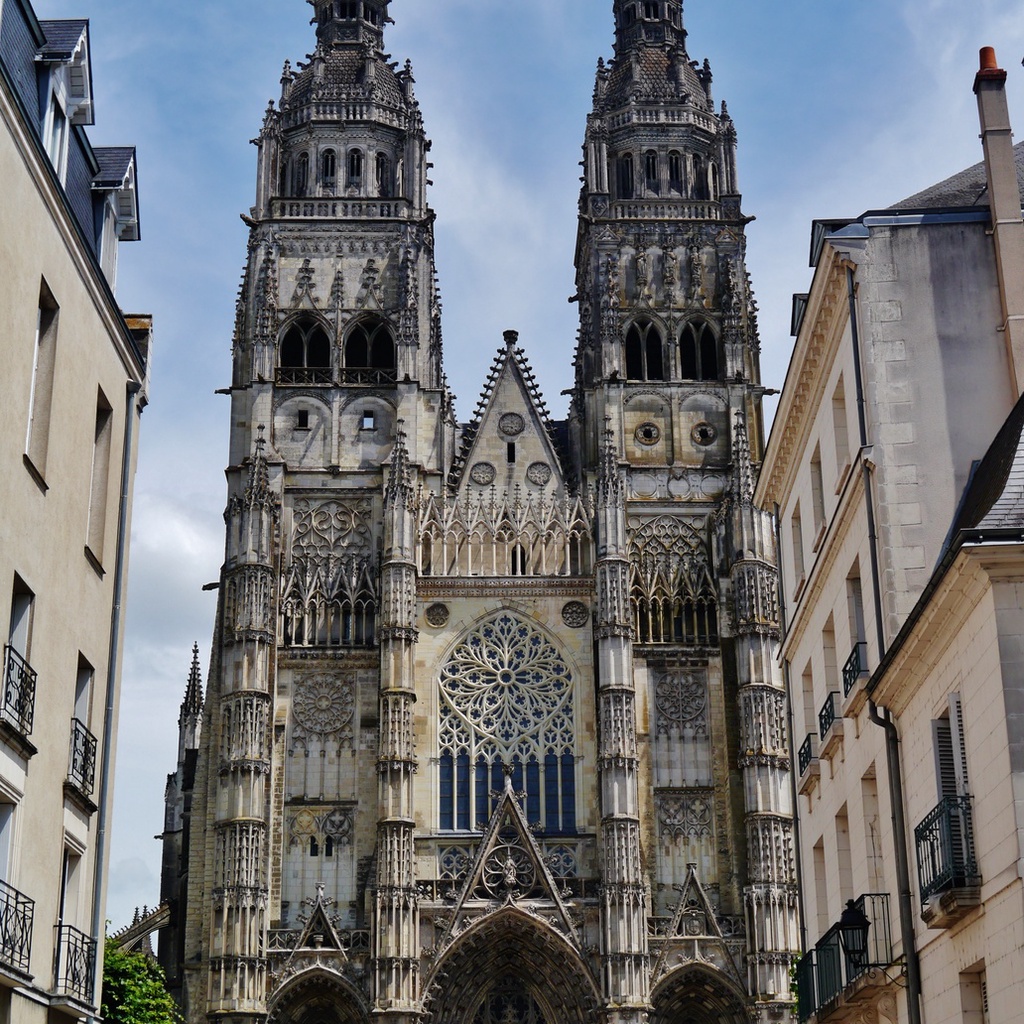
Tours
19 attractionsFrance
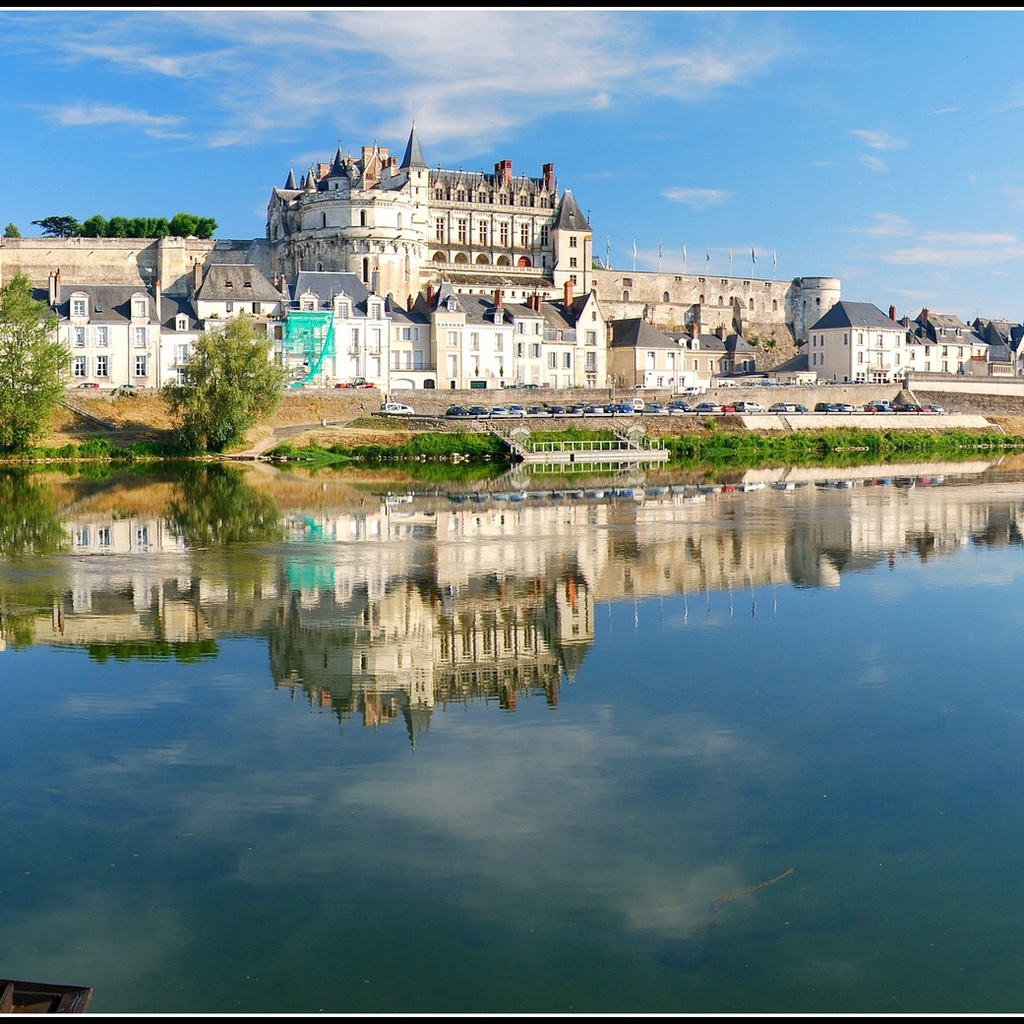
Amboise
12 attractionsFrance
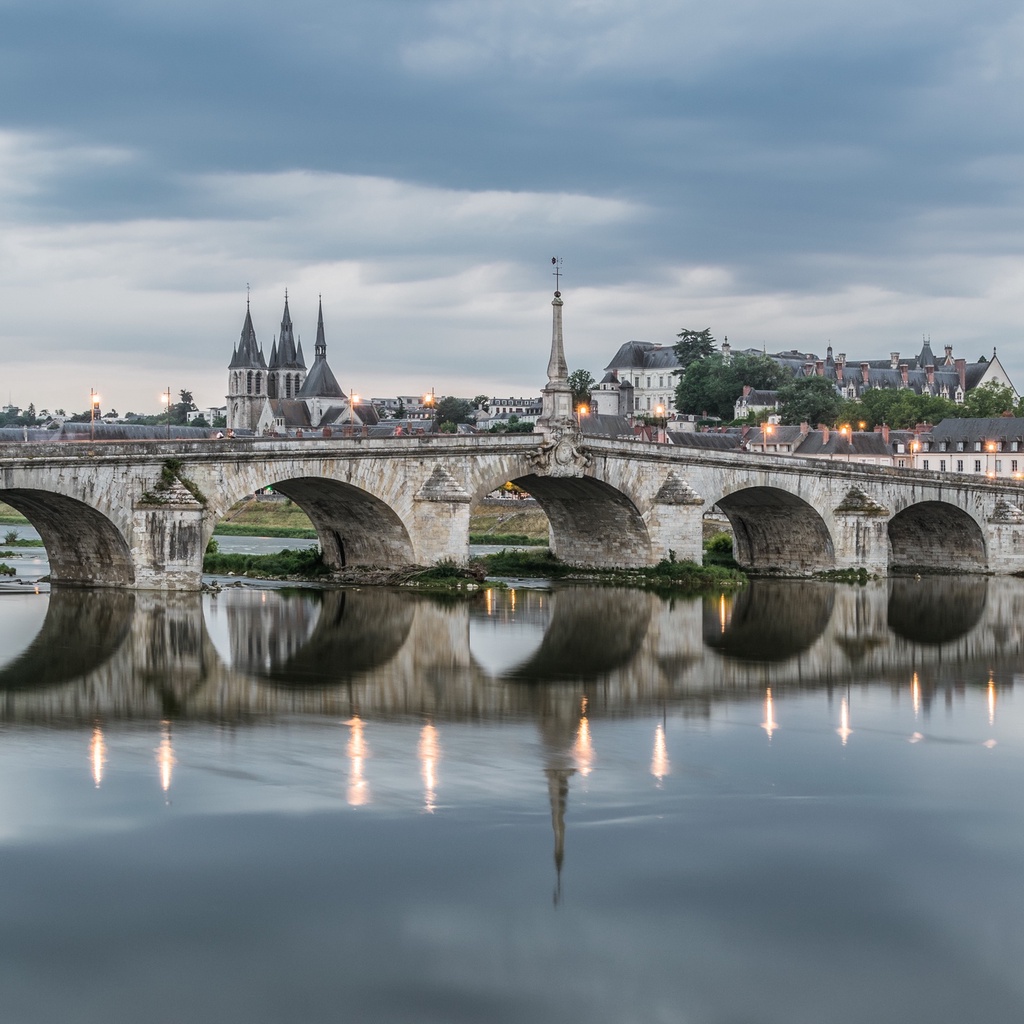
Blois
12 attractionsFrance
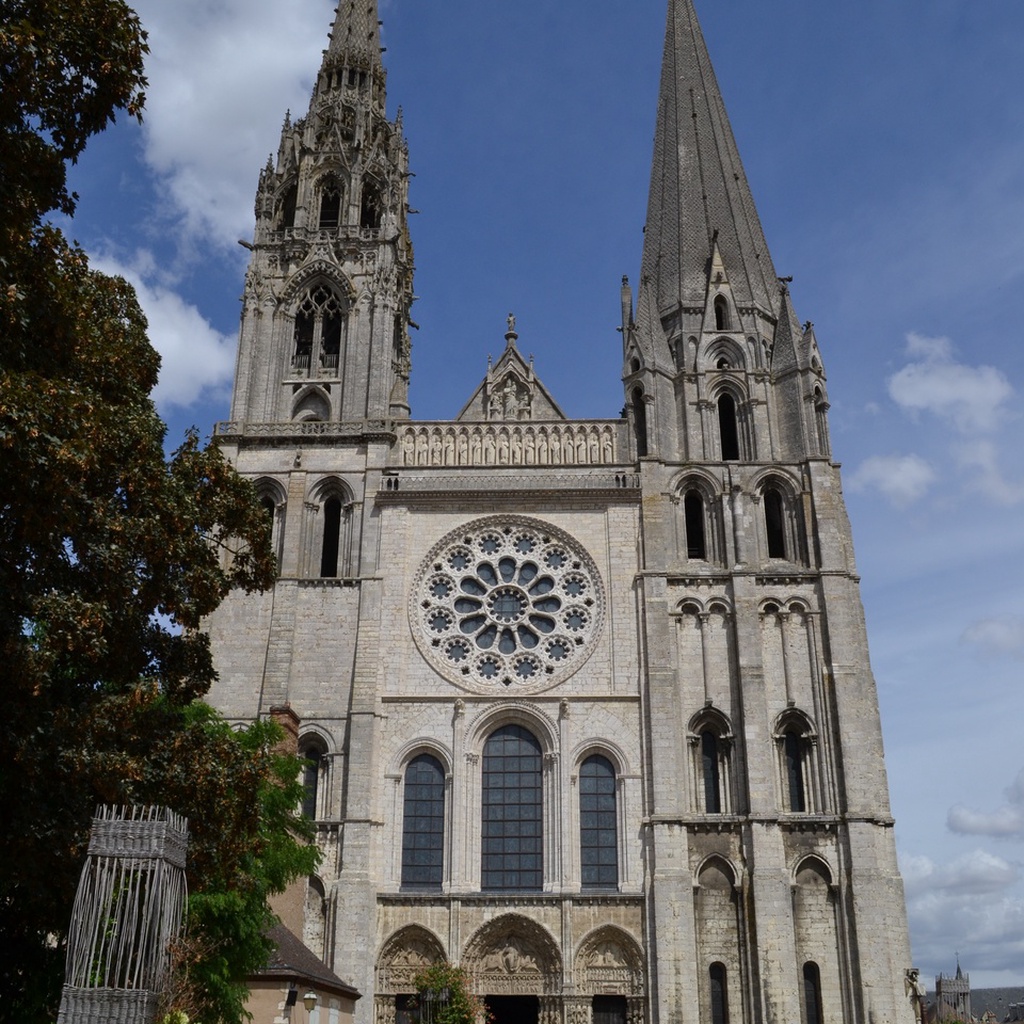
Chartres
11 attractionsFrance
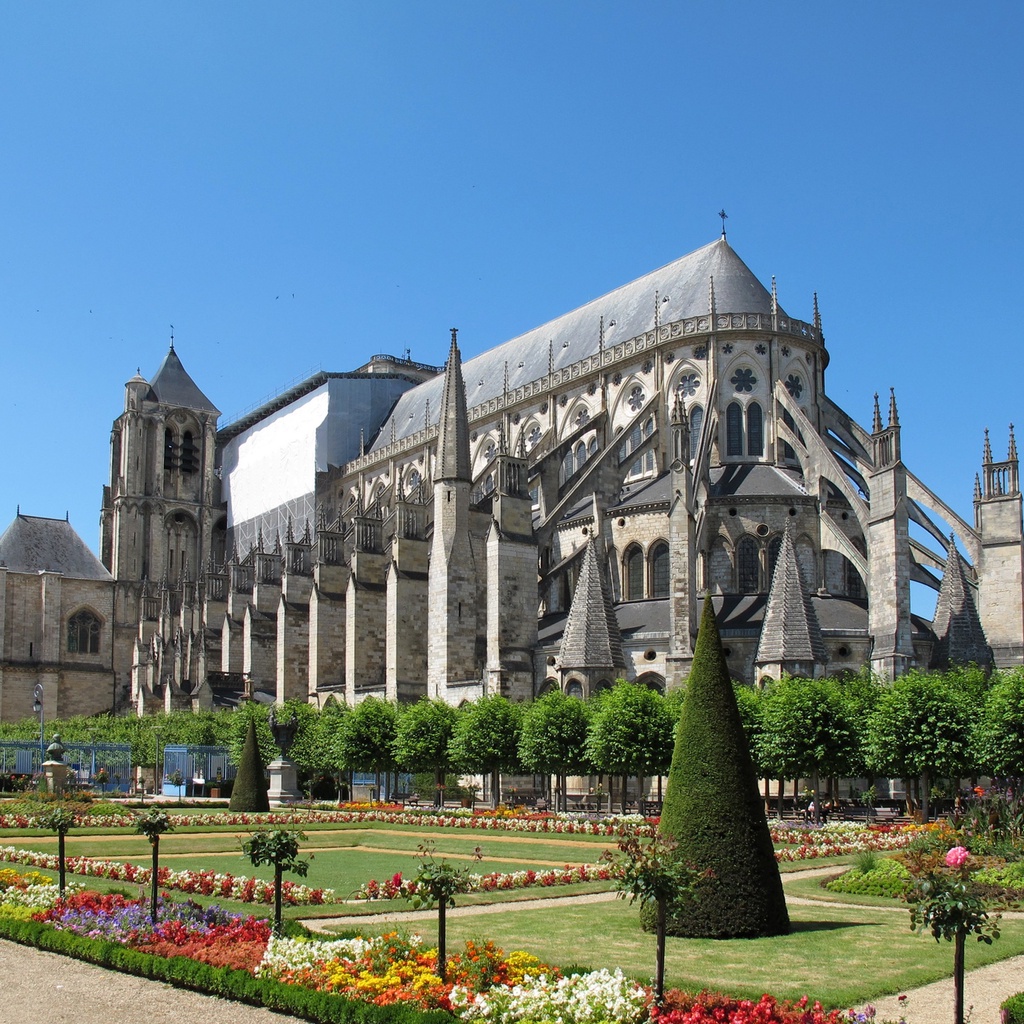
Bourges
10 attractionsFrance
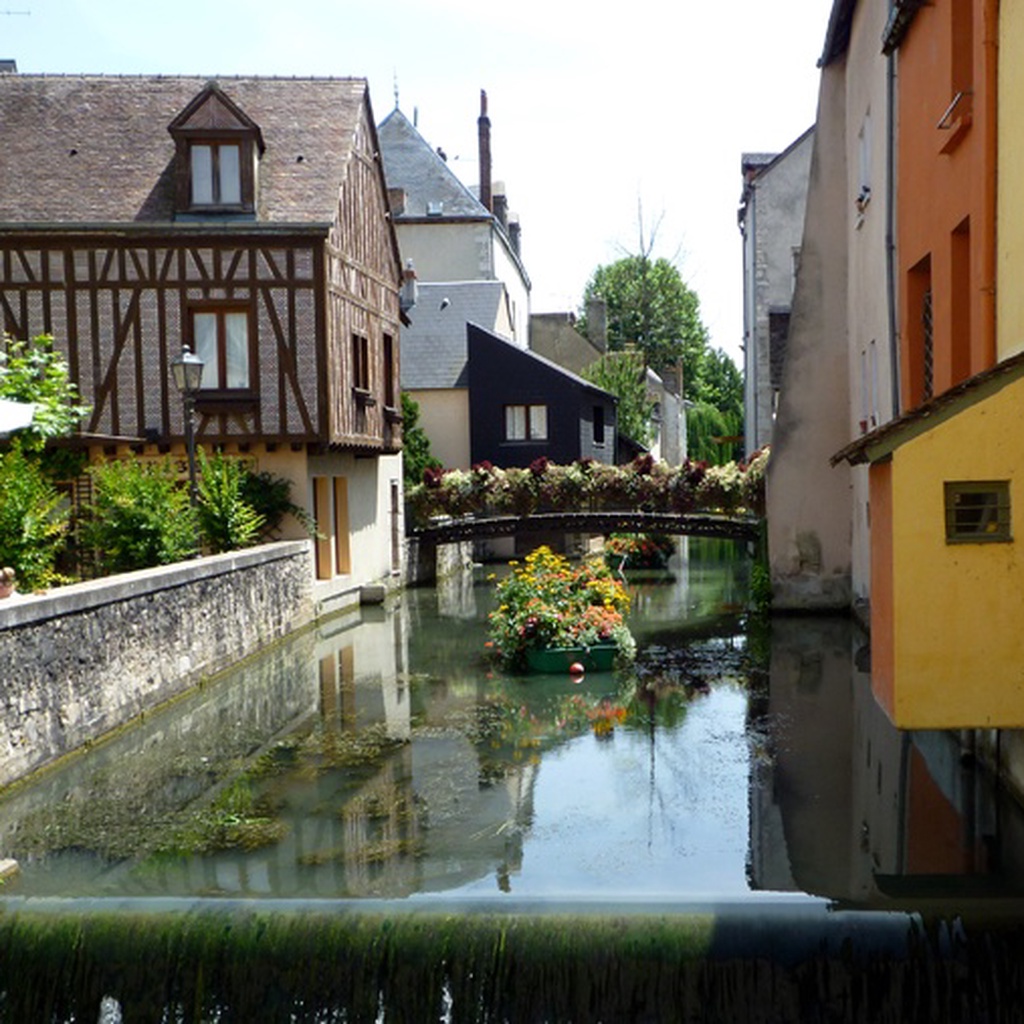
Montargis
9 attractionsFrance
Ready to Plan Your Trip?
Start exploring curated itineraries with complete cost breakdowns